
Exploring the Flavors of the Northwest | A Culinary Guide to Yinchuan: The Taste of Northwest China
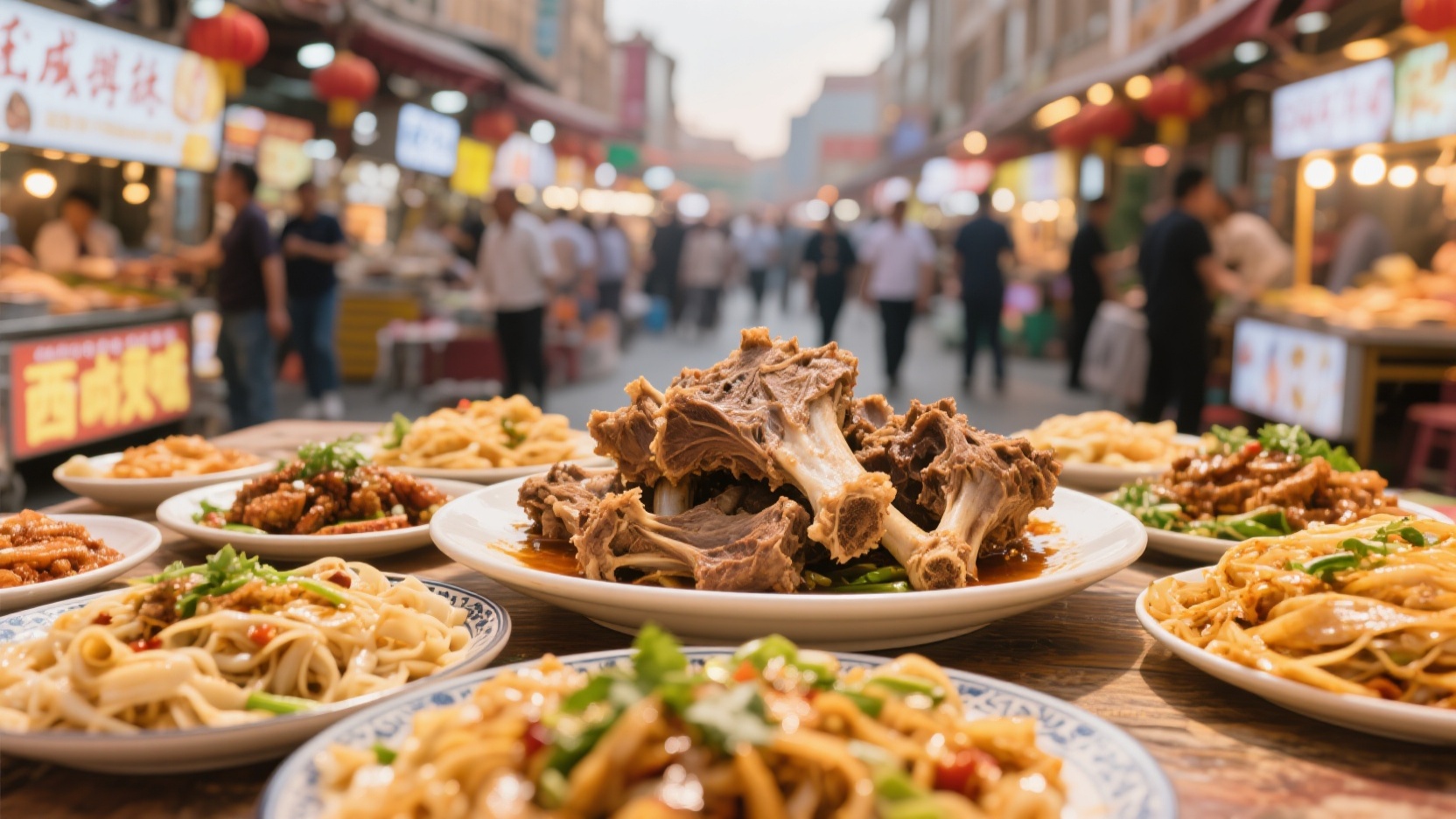
Yinchuan, the capital of Ningxia Hui Autonomous Region, boasts a unique culinary culture deeply influenced by Hui ethnic customs and the distinctive features of Northwest China. Its cuisine not only carries a rich historical heritage but also vividly reflects the fusion of diverse cultures. This article aims to provide travelers exploring Yinchuan with a professional and objective food guide, helping you accurately capture the city's core flavors.
Must-try signature dishes list
Yinchuan's cuisine is primarily based on beef and mutton, supplemented by noodles, and also features local specialty snacks. Below are some representative dishes that you shouldn't miss:
Hand-pulled mutton: Yinchuan hand-pulled mutton uses lamb from the unique Tan sheep breed of Ningxia, boiled in clear water with minimal spices to preserve its original flavor. The meat is tender, fatty yet not greasy, and free of any gamey taste. It is typically served with minced garlic, salt and pepper, or a special sauce. Its defining characteristic is its extreme focus on the natural flavor of the ingredients, resulting in a rich and mellow taste, making it a benchmark for appreciating the quality of Ningxia mutton.
Lamb offal soup: A classic choice for breakfast or late-night snack in Yinchuan, lamb offal soup uses lamb head, tripe, liver, intestines, and other offal as the main ingredients. After being repeatedly washed and chopped, it is stewed with a rich broth made from lamb bones. The soup is milky white and has a rich flavor. Sprinkled with cilantro and chopped green onions, and topped with chili oil and vinegar, it has a rich taste and is warming to the stomach and dispels cold.
Liangpi (cold skin noodles): Yinchuan liangpi is a type of cold noodle dish made from wheat flour. It has a translucent texture and a chewy, smooth mouthfeel. It is usually served with shredded cucumber and bean sprouts, and drizzled with garlic sauce, vinegar, chili oil, and sesame paste. Its characteristics are a tangy and spicy flavor that whets the appetite, refreshing and not greasy, making it especially suitable for summer.
Braised Noodles in Yinchuan differ from those in surrounding provinces, emphasizing the texture of the noodles and the richness of the broth. The noodles are hand-pulled, evenly thick, and chewy. The broth is typically made with beef or mutton bones and includes ingredients such as wood ear mushrooms, daylily buds, tofu, and slices of beef or mutton. The broth is rich and flavorful, and the noodles absorb the taste perfectly, making it a staple food for local residents.
Gaiwan Tea/Eight Treasure Tea: In Yinchuan, especially when dining at Hui restaurants, enjoying a cup of gaiwan tea or eight-treasure tea is an indispensable experience. Gaiwan tea typically contains various ingredients such as rock sugar, red dates, goji berries, longan, walnuts, raisins, and sesame seeds, brewed with boiling water. The tea soup is sweet and fragrant, possessing nourishing and health-preserving effects, and is also an important expression of hospitality.
Sweet fermented oats: A dessert with a distinctive Northwest Chinese flavor, made from oats or wheat through fermentation. It has a soft, glutinous texture and a subtle aroma of alcohol and the natural sweetness of grains. Often served as an after-dinner dessert or a refreshing summer snack, it tastes even better chilled.
Local favorites for food
To truly experience the authentic local cuisine of Yinchuan, the following neighborhoods are frequented by locals:
Huaiyuan Night Market: Located near Ningxia University, it's one of the largest and most diverse night markets in Yinchuan. It boasts a wide variety of food stalls offering barbecue, seafood, local snacks, and drinks, creating a vibrant and lively atmosphere. While popular with tourists, local students and residents are also a major customer base, ensuring you can find many delicious and affordable authentic snacks. It's recommended to visit in the evening to experience its unique energy.
Xinhua Street and the area around the Drum Tower: As the old commercial center of Yinchuan, Xinhua Street and the area around the Drum Tower are home to many time-honored restaurants. These shops mainly serve traditional beef and mutton dishes and local specialty noodles, offering authentic flavors at affordable prices. Dining in this area makes it easier to experience classic flavors passed down through generations.
Phoenix Street: Phoenix Street is a major commercial street in downtown Yinchuan. Besides large shopping malls and branded restaurants, it also hides some unique shops favored by locals. These shops may not be as bustling as the night market, but they often boast excellent quality and a strong reputation for a particular dish. It's recommended to visit during the day or around lunchtime.
Tips for avoiding overpriced and overpriced shops and tourist attractions
When looking for food in Yinchuan, it's crucial to avoid disappointments and efficiently sample authentic local cuisine:
Be wary of overly packaged trendy restaurants: Some trendy restaurants may prioritize decor and marketing over the food itself. Their dishes may be overpriced, but the taste may not be authentic. It is recommended to refer to genuine reviews from local users on local food review platforms (such as Dianping) when choosing a restaurant, especially for established restaurants that have been operating for many years and have a stable reputation.
Avoid dining inside and around scenic areas: Restaurants inside or near popular tourist attractions such as Shahu Lake and the Western Xia Imperial Tombs often have inflated prices and mediocre taste. It is recommended to eat at restaurants in the city before or after visiting the scenic area. If you are spending a long time in the scenic area, you may want to prepare some portable snacks or fruit in advance.
Identifying authentic local food shops:
- Observe customer flow: Restaurants frequented by locals usually have better food. Especially during off-peak hours, if there is still a steady stream of local diners, it is probably worth a try.
- Pay attention to the menu: Restaurants with simple menus and a limited selection of dishes, but where each dish is prepared with care, are often focused on quality. Avoid restaurants with a wide variety of dishes that include regional cuisines.
- Ask locals: taxi drivers, hotel receptionists, or local shop owners are all reliable sources of authentic food recommendations. Their advice is usually more practical and genuine.
- Pay attention to the ambiance: Not all delicious food is hidden in fancy restaurants. Many authentic hole-in-the-wall eateries or street stalls, though unpretentious, often offer surprisingly delicious food.
The cuisine of Yinchuan is a microcosm of the city's soul, and it's worth slowing down to savor its unique charm and profound cultural heritage.