
Jiaodong Flavors | A Guide to Yantai Cuisine: Seafood and Land Flavors and Authentic Local Traces
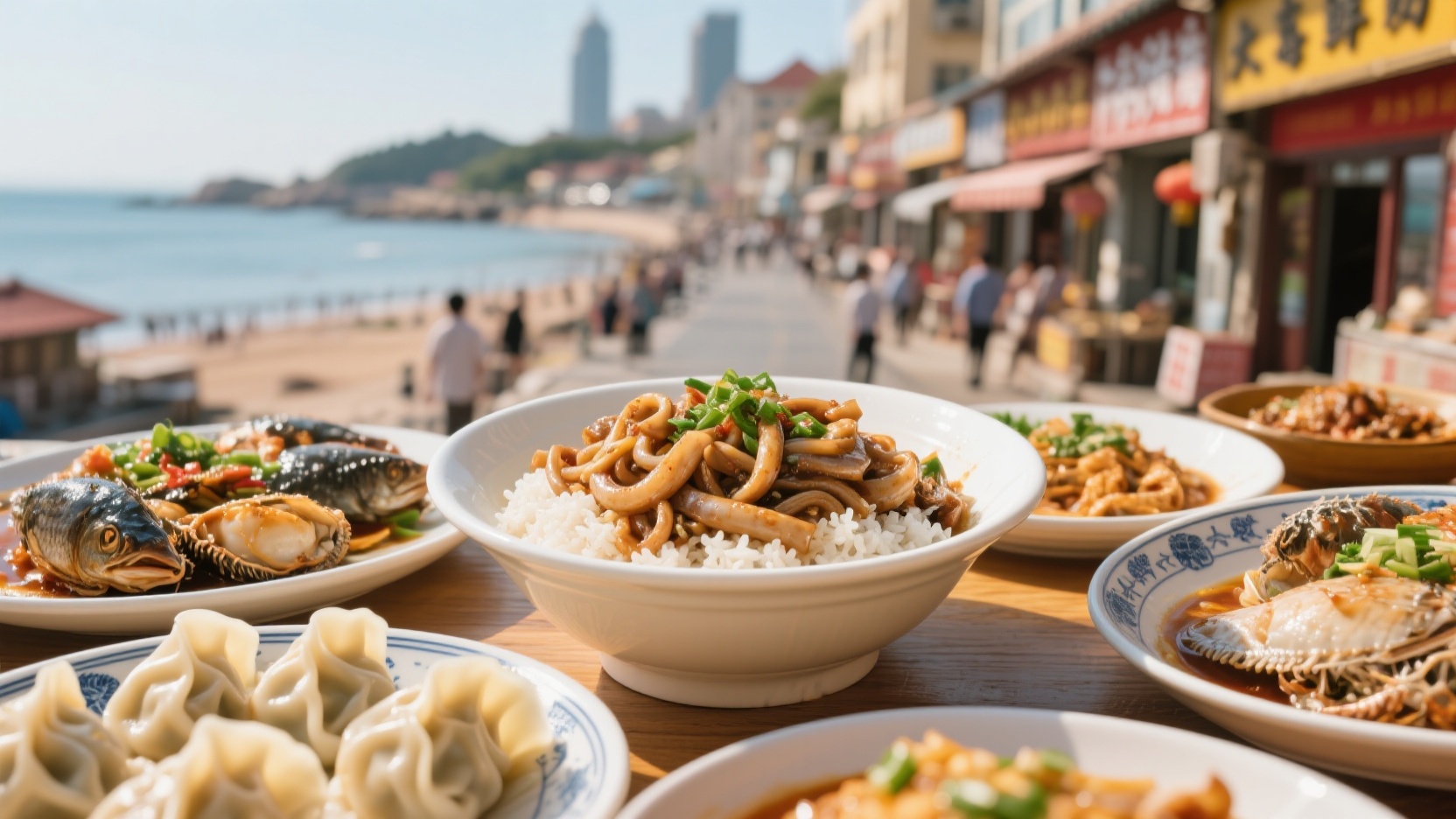
Yantai, a pearl of Jiaodong Peninsula nestled on the coast of the Yellow Sea, boasts a unique geographical location that has nurtured a rich variety of marine products and distinctive local cuisine. Its culinary culture is deeply rooted in the essence of Jiaodong cuisine, emphasizing freshness and combining the richness of Shandong cuisine with the boldness of Northern Chinese dishes. For travelers eager to explore a city through its flavors, Yantai is undoubtedly a treasure trove worth savoring.
Must-try signature dishes list
The dining table in Yantai is a gift from the sea and the land. Here are some authentic local flavors you shouldn't miss:
Sea cucumber rice: As a representative dish of Yantai, sea cucumber rice has won over countless diners with its exquisite freshness. Fresh sea cucumbers are simply processed, stir-fried with chives or garlic sprouts, and quickly served over steaming hot rice. The sea cucumbers have a crisp, tender, and chewy texture with a natural sweetness, perfectly blending with the rich flavor of the rice and the fragrance of the vegetables. Every bite is a gift from the sea, fresh without any fishy taste, leaving a lingering aftertaste.
Mackerel Dumplings: The pinnacle of dumplings from the Jiaodong region. Made with freshly caught mackerel, deboned and meated, the filling is mixed with diced fatty pork (to enhance its smoothness and aroma), and chives or minced ginger and scallions. The dumplings have thin wrappers and generous fillings, bursting with juicy goodness. The sweetness of the mackerel and the fresh aroma of the chives intertwine, with absolutely no fishy taste. It's the perfect way to experience authentic Yantai seafood.
Braised Shrimp with Napa Cabbage: A seemingly simple dish that truly showcases the natural flavors of the ingredients. It uses large prawns (or "big shrimp"), a local specialty of Yantai, and is slow-cooked with sweet and crisp Napa cabbage, a specialty of Jiaodong. The savory essence of the prawns fully infuses the cabbage, making it tender and flavorful, the broth rich and creamy, and the prawn meat firm and springy. This dish perfectly embodies the word "fresh and sweet," making it an indispensable delicacy on the tables of Yantai locals.
Braised Pork Ribs with Mackerel: A creative dish that cleverly combines land-based ingredients with seafood delicacies. Fresh mackerel is braised and slow-cooked with pork ribs, potato chunks, or tofu. The aroma of the ribs and the umami of the mackerel permeate each other, making the fish more flavorful, and the ribs also absorb the unique taste of seafood. The broth is rich, the fish is tender, and the ribs are melt-in-your-mouth tender, making it a feast for the senses that combines the flavors of land and sea.
Fushan Noodles: As one of the "Four Famous Noodles of China," Fushan noodles have a long history and are renowned for their exquisite craftsmanship and unique flavor. The noodles are as thin as hair, incredibly chewy, and have a smooth texture. They are usually served with various toppings, such as seafood gravy, meat sauce gravy, and vegetarian gravy. Whether served in a clear broth or with a variety of toppings, you can taste the wheat aroma and chewy texture of the noodles themselves.
Yantai Braised Sweet Potato Noodles: A specialty snack found on the streets and alleys of Yantai. Made from sweet potato starch, the noodles are cut into pieces and pan-fried until golden brown and crispy on the outside, and soft and chewy on the inside. After frying, they are topped with a special sauce made of sesame paste, minced garlic, soy sauce, and other seasonings. The rich flavor, crispy on the outside and tender on the inside, with the aroma of sesame paste and the spiciness of minced garlic intertwined, is a taste memory that Yantai people have enjoyed since childhood.
Local favorites for food
To truly experience Yantai's food culture, besides famous restaurants, you should also explore the neighborhoods frequented by locals:
Chaoyang Street Historical and Cultural District: This century-old street has undergone renovations in recent years, preserving its European-style architecture while introducing numerous restaurants. Although some are chain brands, you can still find some long-established snack shops and specialty restaurants. It's recommended to avoid peak tourist seasons and explore during off-peak hours; you might discover something unexpected. Its unique historical atmosphere also adds a special touch to your dining experience.
Suochengli: One of the birthplaces of Yantai, this ancient city wall area hides a rich tapestry of authentic local life. Deep within its alleyways often lie family-run restaurants or workshops, offering genuine home-style dishes, noodles, and traditional snacks. While the ambiance may be less sophisticated, the flavors are often undeniably delicious. It's highly recommended to engage with locals to gather firsthand information about the best food.
The area surrounding Wanda Plaza/Zhenhua Shopping Center, located in the heart of the city's commercial district, boasts a wealth of dining options. Unlike tourist areas, restaurants here prioritize the tastes and value of local diners. From large seafood restaurants to specialty snack shops, the choices are diverse. This area is a top choice for many locals to gather and entertain, serving as a window into Yantai's modern culinary scene.
Along Haibin Road in Zhifu District (off-peak season): During the off-peak season, some food stalls or small restaurants along Haibin Road may offer more authentic and reasonably priced seasonal seafood. However, please note that prices in this area fluctuate significantly during the peak tourist season. It is recommended to choose shops that appear busy and frequented by locals, and to confirm the weight and price of the seafood before ordering.
Tips for avoiding overpriced and overpriced shops and tourist attractions
When enjoying food in Yantai, besides seeking out the flavors, it's also important to know how to avoid rip-offs and ensure you get your money's worth:
Beware of overly packaged "Instagrammable" restaurants: Many "Instagrammable" restaurants, widely promoted on social media, often attract attention with their exquisite decor and unique plating, but their food quality and value for money often fall short. When choosing a restaurant, it's recommended to go beyond just looking at pictures and online traffic; carefully read genuine reviews from local users on local service platforms (such as Dianping) regarding the taste, service, and prices. Prioritize restaurants that consistently receive positive reviews for their food and are frequently visited by locals.
Restaurants located away from the core areas of scenic spots, such as Yantai Mountain, Penglai Pavilion, and Golden Beach, tend to be overpriced due to their prime locations, and the quality of the food may not match the price. It is recommended to dine in neighborhoods within a 500-meter to 1-kilometer walk of the scenic area. These areas usually have more restaurants catering to local residents, offering more reasonable prices and more authentic flavors.
When ordering seafood, always ensure the price is clearly stated and the weight is confirmed: Yantai is famous for its seafood, but when ordering, especially live seafood, be sure to confirm the pricing method (by weight or by portion) and the specific price. For live seafood, it is recommended to personally select and confirm the weighing process to avoid being shortchanged or having the seafood substituted for other items. For dishes that are not clearly priced on the menu, be sure to ask beforehand. Avoid choosing "seafood set meals" with unclear pricing unless you have a thorough understanding of the prices and dishes.
Seek local advice: One of the most reliable ways to avoid tourist traps is to ask hotel receptionists, taxi drivers, or local residents. They can usually provide the most authentic and practical food recommendations, guiding you to hidden gems favored by locals. However, be aware that sometimes local recommendations may lean towards stronger or more home-style flavors, differing from what tourists expect; use this as a reference only.
In Yantai, why not slow down and use your taste buds to experience the city's maritime atmosphere and everyday life, making every dish an unforgettable memory of your journey?