
Tracing the Hehuang Regions | Xining, a Journey Through Diverse Culture and Art on the Qinghai-Tibet Plateau
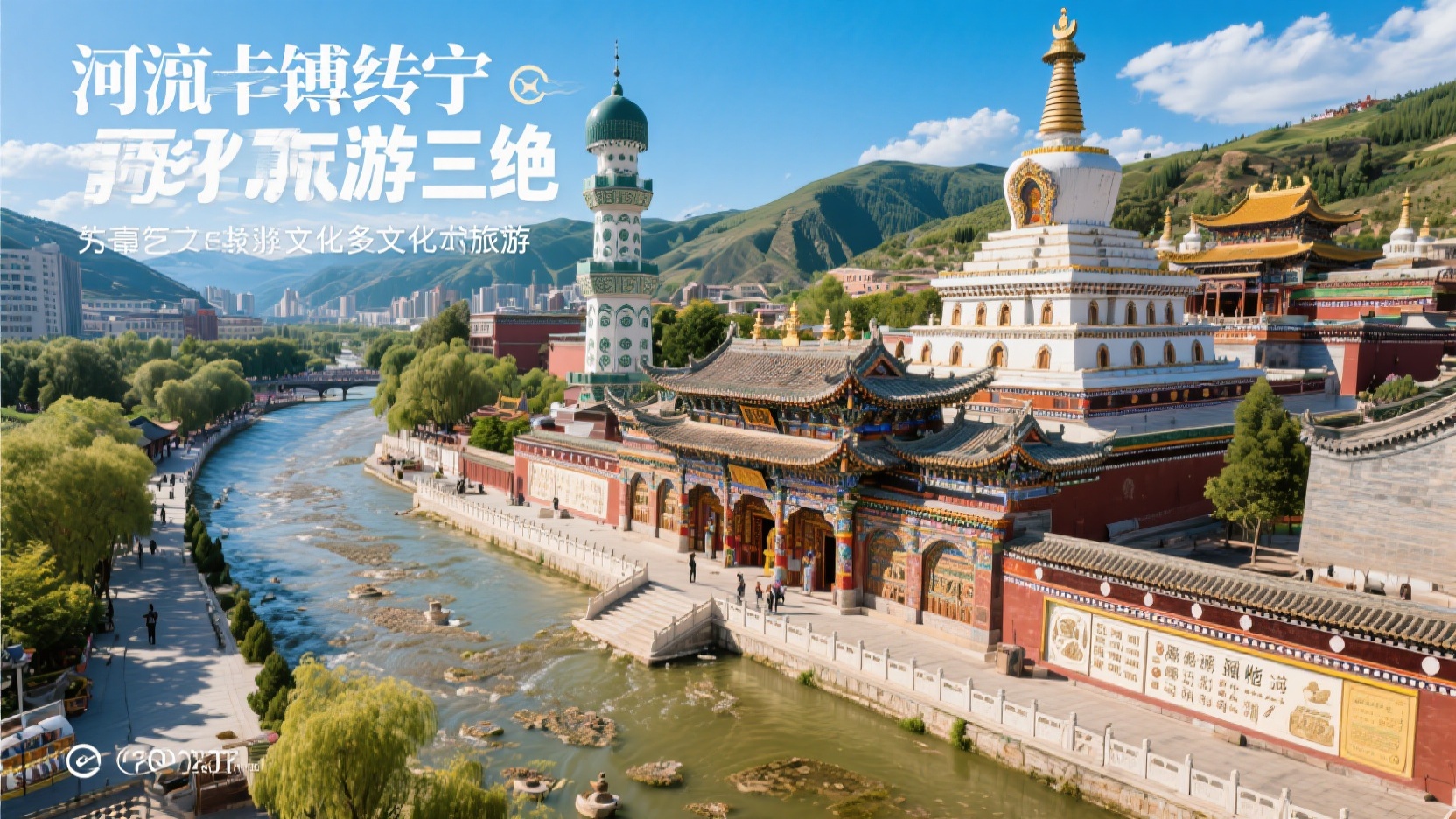
Xining, as the gateway city to the Qinghai-Tibet Plateau, is not a traditional tourist hotspot, but its profound historical heritage and diverse ethnic cultures have intertwined to create the unique "Hehuang Culture." It is a place where Han, Tibetan, Hui, Mongolian, Tu, and Salar ethnic groups have long coexisted, resulting in a cultural and artistic landscape that exhibits rare richness and inclusiveness. This article aims to plan a Xining exploration route centered on culture and art for travelers seeking a deeper cultural experience, guiding you to slow down, savor the details, and gain insight into the civilizational lineage of this plateau heartland.
Tracing the Origins of the Hehuang Civilization and Urban Imprints
Qinghai Provincial Museum: A Grand Prelude to Plateau Civilization
A journey to explore the culture and art of Xining should begin at the Qinghai Provincial Museum. This museum is an ideal starting point for a systematic understanding of Qinghai's history, ethnic culture, and natural geography. Its exhibitions, through abundant archaeological discoveries and artifacts, clearly outline the evolution of civilization in the Qinghai region from the Paleolithic Age to modern times.
The exhibition area focuses on prehistoric culture, such as the Kayue Culture remains dating back over 4,000 years, whose bronzes and pottery showcase the exquisite craftsmanship and wisdom of early plateau inhabitants. The unique aesthetics of the painted pottery of the Zongri Culture and the agricultural imprints of the Xindian Culture together construct a picture of prehistoric civilization in the Hehuang region. Furthermore, artifacts from the Tuyuhun and Tubo periods reveal historical chapters of the rise and fall of plateau regimes and the integration of ethnic groups. Through detailed interpretation of these artifacts, visitors can gain a macro-level understanding of the cultural context of Xining and even the entire Qinghai province, laying the foundation for subsequent field investigations.
Dongguan Grand Mosque: A Fusion of Islamic Art and Hehuang Architecture
From the museum, you can reach the Xining Dongguan Great Mosque on foot or by a short drive. This ancient mosque, which was first built during the Hongwu period of the Ming Dynasty, is not only the largest and oldest Islamic mosque in Qinghai Province, but also a model of Islamic architectural art in Northwest China.
The Dongguan Grand Mosque boasts a unique architectural style, cleverly blending the upturned eaves and painted brackets of traditional Chinese palace architecture with the minaret and prayer hall structure of Islam. Its main hall is covered with green glazed tiles, and the interior is adorned with exquisitely carved beams and painted rafters, featuring patterns that combine Islamic geometric designs with traditional Chinese floral motifs, reflecting the harmonious coexistence and artistic dialogue between the two civilizations. The mosque's soaring minaret is an important part of Xining's skyline. Inside the mosque, one can observe the daily life and religious rituals of Hui Muslims, experiencing their profound faith and unique community culture. It is not only a religious site but also a historical testament to the cultural exchange and integration of multiple ethnic groups in the Hehuang region.
Tibetan Buddhist Art and Highland Wisdom
Kumbum Monastery: A sacred site of the Gelug school and renowned for its three artistic wonders.
The most representative cultural and artistic landmark around Xining is undoubtedly Kumbum Monastery. As the birthplace of Tsongkhapa, the founder of the Gelug school of Tibetan Buddhism, Kumbum Monastery has a history of nearly 600 years and is a treasure trove of Tibetan Buddhist culture and art.
The architecture of Kumbum Monastery is magnificent, with its halls and pavilions standing side by side, resplendent in gold. Its artistic value is concentrated in the "Three Wonders of Kumbum Monastery Art": butter sculptures, appliqué embroidery, and murals. Butter sculptures are an art form using yak butter as the raw material, sculpted into various images of Buddhas, figures, flowers, birds, fish, and insects. With vibrant colors and vivid shapes, they are the highest offerings made by Tibetan Buddhist believers to the Buddha. The craftsmanship is intricate and complex, and the butter sculpture lantern festival on the fifteenth day of the first lunar month is a grand spectacle. Appliqué embroidery is a three-dimensional embroidery art that involves cutting various colored silks into desired shapes, filling them with wool or cotton, and then embroidering them onto fabric. The subjects are mostly Jataka tales or religious figures, with flowing lines and a strong sense of three-dimensionality. The murals in the monastery's halls, painted with mineral pigments, retain their colors for thousands of years. They depict Buddhist classic stories, Buddha images, mandalas, and more, and are important materials for the study of Tibetan Buddhist painting art. Visitors can not only appreciate these exquisite works of art but also gain a deeper understanding of the religious philosophy and cultural connotations behind them.
Qinghai Tibetan Medicine Culture Museum: Traditional Wisdom and Medical Art
As an extension of the cultural experience at Kumbum Monastery, the Qinghai Tibetan Medicine Culture Museum offers a unique perspective showcasing the wisdom and art of the Tibetan people. Tibetan medicine (Sowa Rigpa) is a traditional medical system unique to the Qinghai-Tibet Plateau, and its theories, practices, and artistic expressions are all highly original.
The museum's centerpiece is the world's longest Thangka painting—"A Grand View of Tibetan Culture and Art in China," stretching 618 meters. It depicts Tibetan history, religion, culture, astronomy, geography, medicine, and art, with a particularly detailed section on Tibetan medicine. Through exquisite Thangka paintings, physical models, and medicinal specimens, visitors can learn about the origins, development, basic theories (such as the "Three Causes Theory"), diagnostic methods, treatments, and processing techniques of Tibetan medicine. Especially noteworthy are the medical Thangkas depicting human meridians, disease symptoms, and drug formulas, which are themselves a unique form of expression combining science and art. They are not only carriers of medical knowledge but also treasures of Tibetan painting art. Visiting this museum helps one understand the Tibetan people's unique understanding of life, nature, and the universe, and how they integrate this understanding into their daily practices and artistic creations.
In-depth cultural and slow travel suggestions
When embarking on a cultural and artistic journey in Xining, it's advisable to slow down and allow ample time for in-depth experience at each site. In museums, besides viewing the exhibits, try reading the accompanying text to understand the stories and meanings behind them. At religious sites, respect local customs, observe the worshippers' prayers and daily lives, and feel the spiritual atmosphere. For the "Three Wonders" of Kumbum Monastery, learn about their craftsmanship and cultural symbolism beforehand to better appreciate their exquisite details. Through this immersive experience, Xining's diverse culture and art will no longer be mere tourist attractions, but a vibrant and warm tapestry of history and life.