
Wenzhou Art Scenery: A Slow Cultural Journey and Intangible Cultural Heritage Exploration Along the Oujiang River
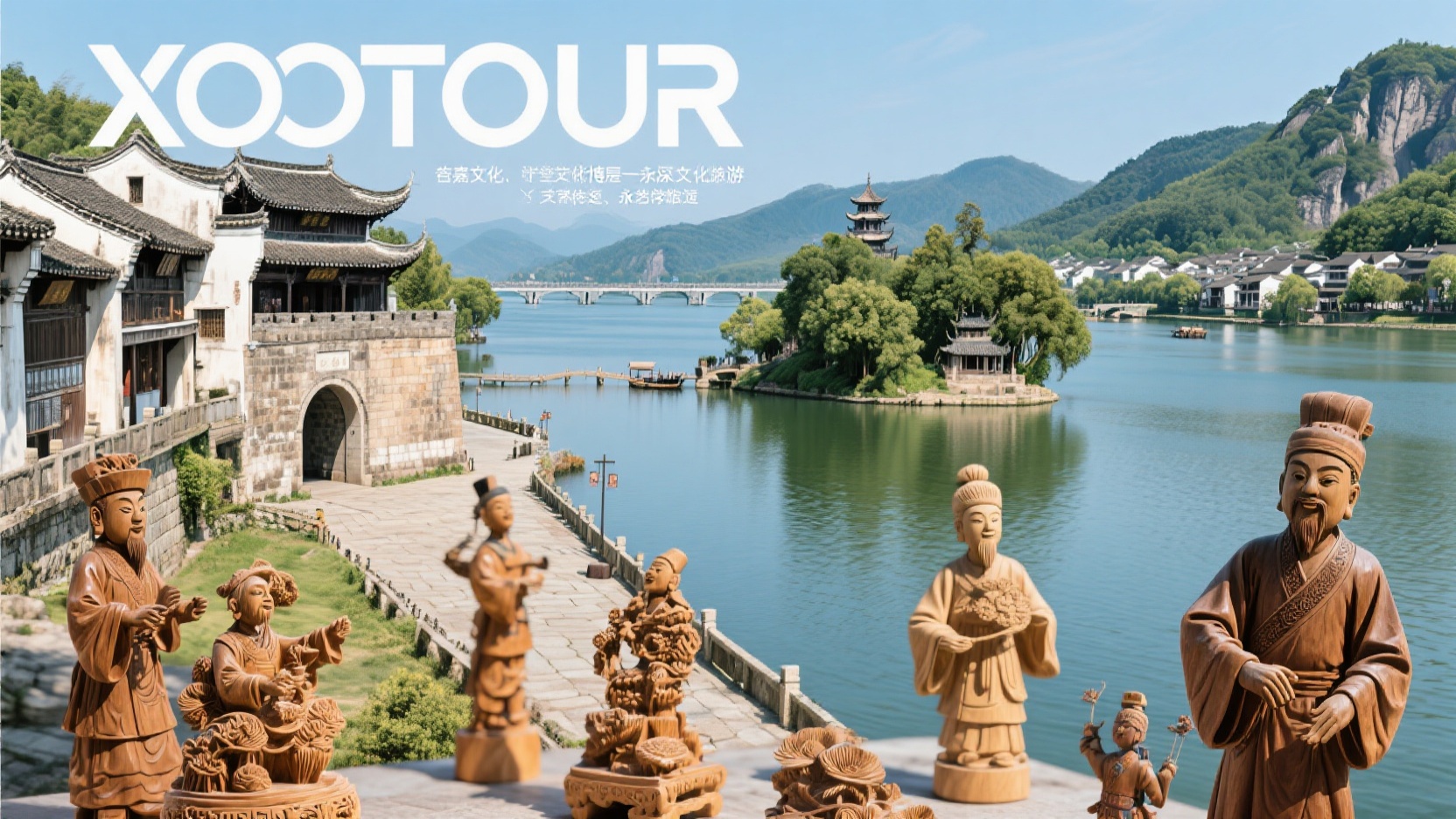
Wenzhou, a city located on the southeastern coast of Zhejiang Province, is renowned for its breathtaking scenery, and is also a millennium-old commercial port and cultural center. Its unique geographical location and rich historical heritage have shaped the Ouyue culture, a blend of natural beauty and profound humanistic values. From the practical application of the Yongjia School to the prosperity of the Maritime Silk Road, and its current thriving commercial vitality, Wenzhou has always sought a unique balance between tradition and modernity, East and West. This blog aims to guide you deep into the heart of Wenzhou, planning a slow-paced, in-depth travel route centered on culture and art, to explore the city's lesser-known cultural fabric and artistic splendor.
Tracing the Origins of Ouyue: A Confluence of History and Thought
Wenzhou's history is a chapter of openness and innovation. A journey to explore Wenzhou's culture and art should begin with its core museums.
Wenzhou Museum : As a comprehensive overview of the city's history and culture, Wenzhou Museum not only houses a large collection of precious artifacts from the Neolithic Age to modern times, but also systematically showcases the evolution of "Ouyue Culture." Among its exhibits, the special exhibition on the "Yongjia School" is particularly noteworthy. Represented by Ye Shi, the Yongjia School advocated a pragmatic approach, emphasizing practical application and a balance between righteousness and profit. This profoundly influenced the socio-economic development of Wenzhou and even southern China, laying the foundation for the pragmatic and enterprising business spirit of the Wenzhou people. Through detailed interpretation of the artifacts, visitors can directly experience the prosperity of Wenzhou during the Song and Yuan dynasties and its unique contributions to intellectual history.
Shuitingmen Historical and Cultural District : Adjacent to the Oujiang River, Shuitingmen is an important gateway to the ancient city of Wenzhou and a vivid microcosm of Wenzhou as a "millennial commercial port." It was once a bustling port for maritime trade, carrying memories of Wenzhou's exchanges with the outside world. Strolling through the district, with its blue bricks and gray tiles, and quaint alleyways, one can almost hear the bustling activity of merchants and ships in bygone days. The district preserves a large number of buildings from the Ming and Qing dynasties, such as the Jin Family Residence and the former residence of Zhu Ziqing, which are living fossils of the city's fabric. Shuitingmen is not only a witness to history but also a concentrated display area of Ouyue culture. Visitors can experience Wenzhou's traditional folk customs, taste authentic snacks, and immerse themselves in the unique atmosphere where the ancient and modern blend.
Poetry Talks on Jiangxin: The Inheritance of Cultural Heritage Amidst Mountains and Rivers
The landscape of Wenzhou is not only a natural scenic spot, but also a poetic painting depicted by literati, carrying rich cultural connotations.
Jiangxin Island , hailed as the "Island of Poetry in China," is a dazzling pearl in the Oujiang River. Since ancient times, countless literati, such as Xie Lingyun, Lu You, and Wen Tianxiang, have visited this island, leaving behind timeless masterpieces. The east and west pagodas on the island echo each other, serving as iconic landmarks of Wenzhou and witnessing the flourishing of Buddhist culture and the prosperity of the Maritime Silk Road. The west pagoda was originally built in the Tang Dynasty, while the east pagoda was rebuilt in the Song Dynasty; both are brick and wood structures with a simple and elegant design. The island also boasts historical sites such as the Song Dynasty Wen Xinguo Ancestral Hall and Haoran Tower, each containing moving stories and profound cultural heritage. Visitors are encouraged to slow down, stroll through the lush gardens, and experience the ancient sentiment of "a solitary island standing tall in the water, uniquely possessing the flavor of the Central Plains," appreciating its unique poetic and Zen-like charm.
Ancient Village Charm: Pastoral idyll and Intangible Cultural Heritage of Craftsmanship
The vast countryside of Wenzhou is a treasure trove of traditional culture and intangible cultural heritage, which preserves ancient skills and ways of life in a living way.
Cangpo Ancient Village : Located in Yongjia County, Cangpo Ancient Village was founded in the Northern Song Dynasty and was a settlement for the Li family planned and built by Li Shizhong, the national advisor of the Southern Song Dynasty. Its unique village layout uses the imagery of "pen, ink, paper, and inkstone" (a traditional Chinese set of writing implements). At the village entrance are Penholder Mountain and Inkstone Pond; the village's water system resembles ink; and the crisscrossing lanes resemble paper, reflecting the ancients' emphasis on culture and education and their application of Feng Shui philosophy. The ancient architectural complex within the village is well-preserved, with ancestral halls, residences, waterside pavilions, and terraces arranged in a harmonious and orderly manner. Stone-paved roads and cobblestone walls exude a simple and elegant atmosphere. Strolling through the village feels like stepping back into a pastoral idyll a thousand years ago, experiencing the family tradition of combining farming and scholarship advocated by the "Yongjia School."
Furong Ancient Village : Also located in Yongjia, Furong Ancient Village is named for its shape resembling a hibiscus flower and is one of the most representative ancient villages along the Nanxi River. Founded in the Tang Dynasty, it boasts a history of over 1200 years. Centered around the Chen Clan Ancestral Hall, the surrounding residences are built against the mountainside in a meticulously planned layout. Its unique "Seven Stars and Eight Dippers" pattern brings waterways into the village, creating a distinctive Jiangnan water town landscape. The ancient architectural complex within the village is magnificent and spectacular, with exquisitely carved beams and painted rafters, serving as a living textbook for the study of southern Zhejiang folk architecture. Here, visitors can gain a deeper understanding of the inheritance of Wenzhou clan culture and traditional lifestyles.
While exploring ancient villages, Wenzhou's rich intangible cultural heritage is also worth experiencing in depth.
Yueqing boxwood carving : As one of the four famous carving styles in China, Yueqing boxwood carving is renowned for its exquisite and rounded texture, delicate carving, and lifelike depiction of form and spirit. Its works often feature figures, flowers, and birds, with fluid carving techniques and vivid lines, possessing extremely high artistic value and aesthetic appeal. At intangible cultural heritage exhibition centers or arts and crafts museums in Wenzhou or Yueqing, visitors can appreciate these exquisite wood carvings up close and even have the opportunity to observe artisans creating on-site, experiencing the extraordinary craftsmanship at their fingertips.
Wenzhou Puppet Show : Wenzhou puppet show boasts a long history and is a national intangible cultural heritage. Its performance styles are diverse, including string puppets and glove puppets, and its exquisite manipulation techniques and unique singing and music are deeply loved by the local people. If your itinerary permits, watching an authentic Wenzhou puppet show performance is an excellent way to understand the living heritage of this folk art and experience the wisdom and artistic charm it embodies.
Wenzhou is not only a haven for commerce but also a temple of culture and art. From historical sites to intangible cultural heritage, from picturesque landscapes to charming ancient villages, this city, with its unique charm, awaits every traveler seeking a profound cultural experience. Slow down, put aside your hustle and bustle, and along the banks of the Oujiang River, deep within the ancient villages, feel the beauty of Wenzhou's millennia-old cultural and artistic heritage.