
Avoid Paid Attractions | Local Testimonial: A Four-Day Free-Entry Itinerary in Tianjin, a Checklist to Avoid Pitfalls
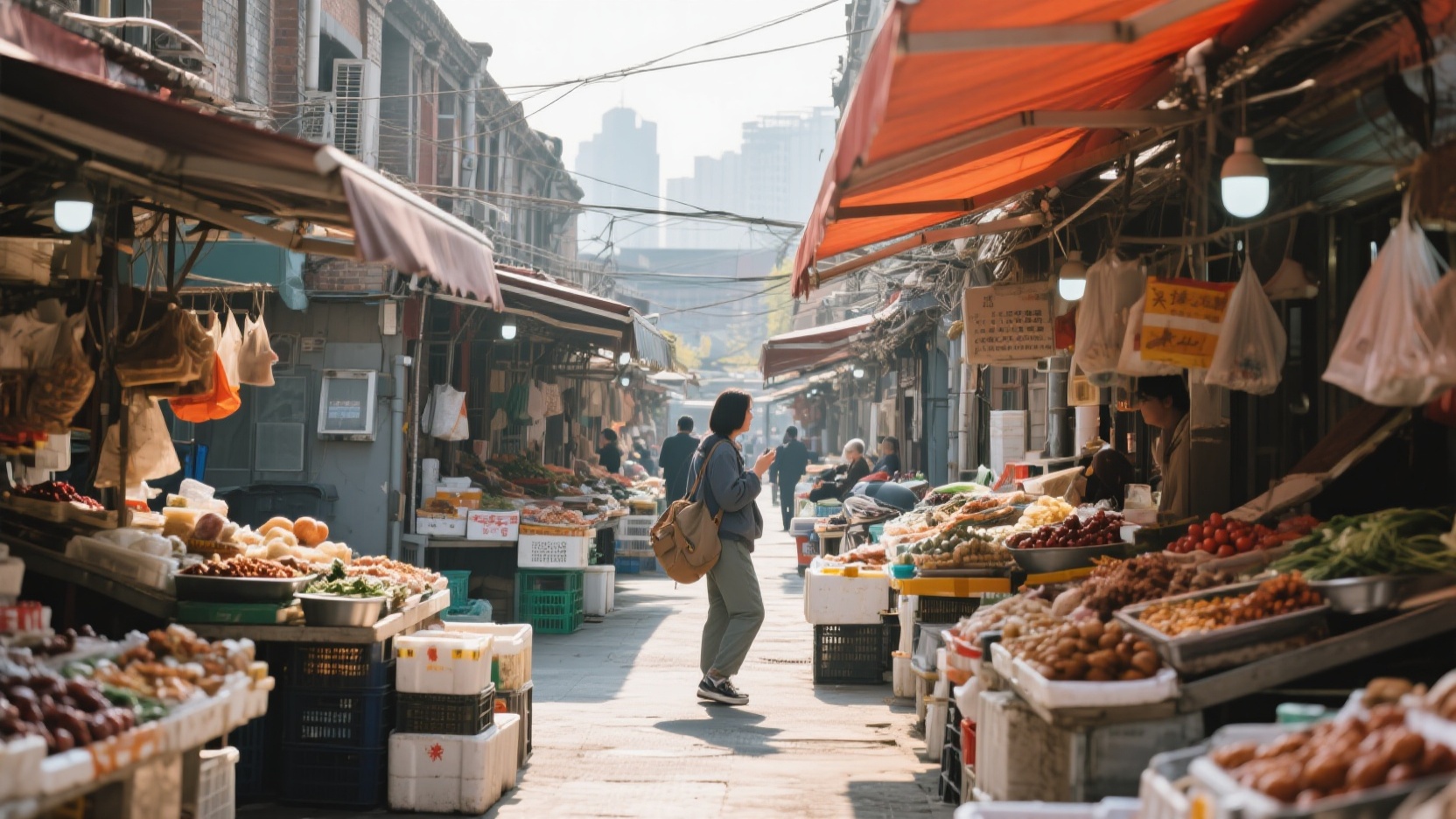
Nine out of ten people who spend money on entrance fees to visit attractions in Tianjin will feel they've been misled by travel guides. The so-called Ancient Culture Street, Porcelain House, and certain museums are either so renovated they've lost their original charm, or have inflated ticket prices and are overcrowded with tourists. As a seasoned traveler who has visited Tianjin more than twenty times, my advice is: don't spend your budget on entrance fees.
The true essence of Tianjin lies not in its paid tourist attractions, but in the hawkers' cries at community markets, the late-night stalls behind universities, the brick walls of converted old factories, and the old men playing chess in the alleyways of the old city. The following four-day, no-entrance-fee in-depth self-guided tour itinerary features a different theme each day, with expenses limited to transportation and food—perfect for a leisurely solo trip.
Day 1: Community Farmers Market Day – From the bustling morning market to the price-cutting frenzy at the evening market
Don't bother queuing in the northwest corner in the morning; it's already overrun with tourists. Locals prefer the markets around Wangdingdi, Xihu Road, and Zhongshanmen. You don't need to rush; even around 9 or 10 am, you'll see the most authentic shopping scenes. Fresh seafood, freshly fried rolls, and pickles sold by the bag—it's more genuine than any trendy food street.
The secret to navigating a local market is to follow the elderly people carrying bags. Wherever they stop, the stalls selling cooked food and pastries are sure to be good. You can buy some vegetarian rice rolls, dried cakes, or a bag of traditional snacks, and sit down on a stone bench by the roadside to eat. For lunch, you can spend just a few dozen yuan per person at a shop on the ground floor of a nearby residential building to enjoy a bowl of noodles or dumplings. You don't even need to look at the menu to order what locals usually eat.
The evening market is even more interesting; as the stalls close, you can hear the unique humor of Tianjin people haggling over prices. Even if you don't buy anything, just standing there and listening to a few lines is more vivid than watching a stand-up comedy routine. You won't spend much money this day, but you can feel the most ordinary, everyday warmth of Tianjin.
Day 2: University Surroundings Day – Next to Nankai University and Tianjin University lies Tianjin's least "touristy" stomach.
The second day, I dedicated my time to the area around Nankai University and Tianjin University, especially the Wandezhuang, Baidi Road, and Fukang Road area. The students and teachers here form a small society independent of the tourist crowds; the food is cheap, there are many bookstores and small cafes, and you won't get tired walking around. Don't treat the campuses like tourist attractions; the real gems are in the alleys outside the university gates.
The biggest advantage of being near a university is the almost complete absence of price gouging. A pot of chicken stew, a bowl of beef noodles, and a few freshly baked sesame cakes can fill you up for just a few dozen yuan per person. I recommend going around 3 or 4 pm, when you can see students leaving get out of class, parents picking up their children, and retired teachers taking a stroll. This lively atmosphere is closer to the real Tianjin than taking photos at the Five Avenues.
In the evening, you can find an old-fashioned pastry shop near the back gate of a university and buy a bag of butter cookies to eat on the go. Many state-owned, long-established shops still exist around universities in Tianjin; they may lack trendy decor, but the taste is consistently good. Don't feel awkward coming alone; you'll see many people dining alone everywhere.
Day 3: Old Industrial Zone Transformation Day – New Tianjin Emerging from Old Factories, Photos Free!
On the third day, we visited free-admission areas transformed from Tianjin's industrial heritage sites, such as the Cotton Mill No. 3 Creative Street, Tiantuo, and the old warehouse clusters along Haihe East Road. These places don't charge admission, and are even more restrained than some paid creative parks. The red bricks, iron staircases, and old factory structures have been preserved, so taking photos and posting them on social media doesn't feel like forcing anything.
The Mian San area is best visited in the morning or evening, when the light shines obliquely on the old factory buildings, creating beautiful textures in photos. You can ride a shared bicycle along the Haihe River promenade, passing through old factory areas and residential buildings. The small shops, auto repair shops, and heavy machinery you encounter along the way look like screenshots from an urban documentary.
If you happen to be there on a weekend, some of the old factory buildings will host free markets or exhibitions. But even without any events, just taking a stroll around the outside of the park and looking at the renovated fire escape routes and pipes is enough to while away half a day. Don't treat this place as a tourist attraction; think of it as a public space where Tianjin residents go for a walk after get off work.
Day 4: Old Town Alleyway Day – Bypassing the Ancient Culture Street, delve into the hutongs where locals truly live.
The last day was dedicated to the old town's alleyways, often overlooked by tourists. Avoiding the main street of the Ancient Culture Street, we explored the areas around the East Gate, South Gate, Lingdang Pavilion, and Xiguan Street. The old town is quite small, perfect for walking; around corners, you'll often see clotheslines hanging from windows, half-closed wooden doors, and aunties preparing vegetables.
Don't come here with a photo-taking mission; this isn't a stage, it's real life. You might pass an old-fashioned barbershop, a small shop selling bulk soy sauce, or a group of grandfathers playing chess. If you get curious glances, just nod and smile. Most Tianjin people are talkative and will readily tell you what kind of business each alley used to be.
At noon, you can find a small halal restaurant near the old town and have a bowl of mutton soup or stewed beef, which will cost only a few dozen yuan per person. After eating, walk deeper into the alleys. You don't need navigation; just walk towards the direction where you hear pigeon whistles and see the shadows of locust trees. When you get tired, take a bus to leave. The rooftops of the old town flashing past the bus window are more beautiful than any paid viewing platform.
Don't just walk; riding shared bikes and taking the Haihe River ferry are the hidden main attractions.
If you rely solely on walking for four days, you'll miss out on some of Tianjin's most interesting ways to get around. Shared bikes are the best option; the roads between Tianjin's old city and industrial areas are relatively flat, allowing you to navigate many side streets that navigation apps won't recommend. The ferry on the Haihe River is also worth taking; the tickets are affordable, and it will take you from the old city to the former concessions on the other side.
The subway can be a supplement, but avoid squeezing in during rush hour. The most comfortable combination for solo travelers is: cycling in the morning, walking in the afternoon, and taking a section of the Haihe River ferry or bus in the evening. This saves on transportation costs and allows for constantly changing perspectives. The section of the riverbank from Shizilin Bridge to Jiefang Bridge is especially recommended; cycling offers more freedom than paying for a boat tour.
In closing: 5 money-saving and hassle-free tips that locals didn't tell you
First, choose accommodation in older residential areas of Nankai District or Hebei District, rather than near tourist attractions. This way, you can get local breakfasts early in the morning and sleep peacefully at night.
Secondly, avoid the wet markets on Friday evenings and Saturday mornings, as those are peak shopping times for locals and are too crowded; Wednesdays and Thursdays are the most comfortable times to go.
Third, avoid searching for "Tianjin off-the-beaten-path attractions" on Xiaohongshu (a Chinese social media platform). Places labeled as off-the-beaten-path are more likely to lose their charm. It's safer to follow locals in the wet markets, behind university gates, and through the old town alleys.
Fourth, when eating alone, don't order large dishes. Many restaurants in Tianjin offer generous portions. Ordering a bowl of noodles or half a portion of dumplings plus a side dish is enough, saving money and avoiding waste.
Fifth, don't ask locals "Where's the best place to have fun?" Instead, ask "Where do you want to eat and where do you want to go for a walk after get off work?" Write down their answers and follow those directions the next day; you're unlikely to make a mistake.