
Don't go to the crowded Nanhu Lake | A Tangshan native's firsthand experience: 4 days of free admission, exploring the local markets and old factory areas – that's the real Tangshan!
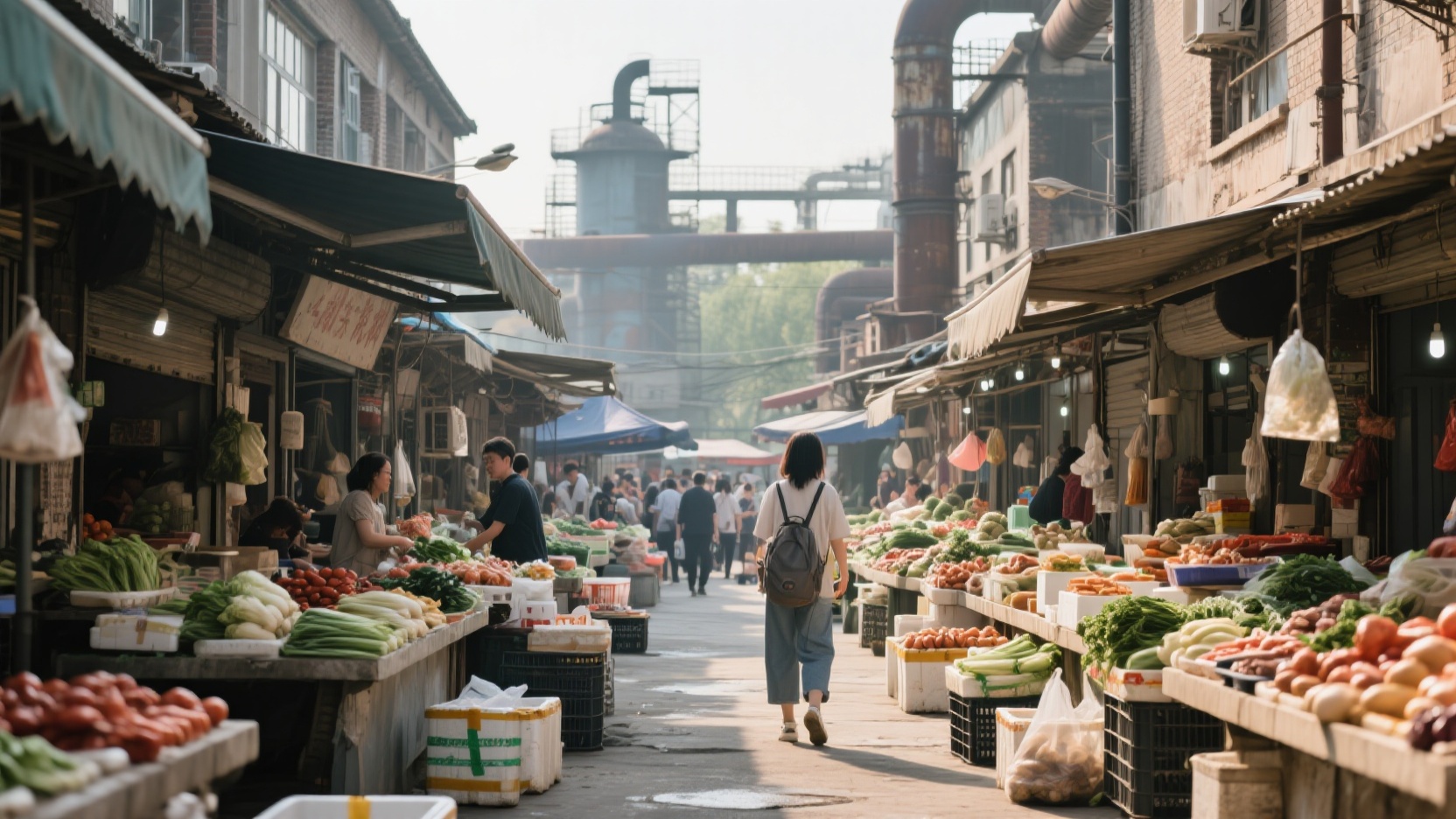
The first time I took a friend from out of town to Tangshan for three days, my biggest mistake was allocating half a day to Nanhu Lake and half of Luanzhou Ancient City—my friend said it felt like strolling through a large public square and an imitation ancient commercial street. Later, I completely removed the "paid attractions" from the list and only took him to the farmers' market, the old factory area, and the back streets of the university. He said instead, "This is more like the life of a local."
The most worthwhile places to explore in Tangshan's city center are never the sights behind the ticket gates, but rather the still-steaming community morning markets, the half-renovated old factory areas, the unsigned alleyways of the old city, and the roadside stalls with students queuing up. The following 4-day itinerary has zero entrance fees, relies primarily on public transportation and shared bikes, and features affordable local food—perfect for a leisurely solo trip. You don't need to rush or do extensive research; all you need to do is be willing to explore the city.
If you don't buy a ticket, what's there to see in Tangshan?
Many travel guides present Tangshan as a package tour of "Nanhu Lake, Qingdongling Mausoleum, and Luanzhou Ancient City," but locals rarely visit those places on weekends. Paid attractions divide the city into "tourist areas" and "residential areas," while Tangshan's most authentic and vibrant scenes are precisely located in the residential areas.
The hawkers' cries in the vegetable market, the chess stalls under the old factory walls, the fumes from the back streets of the university, and the barber chairs in the old alleys—these are the true "living exhibits" of Tangshan. They are not exquisite, nor are they stable; they may be moved today and tomorrow. But it is precisely because of this that what you see at first glance feels more real.
Day 1: Community Market Day - Starting with the morning soy milk market to learn the way.
Forget about any "specialty streets," head straight to the morning markets around Shuguanglou or Zhaozhuang. Around 7 a.m., vendors set out their tofu, fried pancakes, mutton soup, and chess-piece-shaped sesame cakes, filling the air with the aroma of oil and chive blossoms. Just follow the elderly folks carrying cloth bags, and you're unlikely to make a bad choice.
The best thing about shopping at the market alone is that you can buy things in small quantities. A fried dough stick, half a layered pancake, a small bowl of tofu—the vendors won't mind if you go to too much trouble. Tangshan dialect sounds a bit harsh, but if you say, "Just a little, I can't eat it all by myself," they'll often give you more pickled vegetables or remind you, "This won't taste good when it's cold."
The market hides many details that travel guides don't mention: locals prefer smaller mantis shrimp and clams when buying seafood, not necessarily the biggest ones; in autumn, there are also "ma clams," which are cheap and fresh. You don't have to buy anything, but just standing there watching a few rounds of bargaining is more interesting than visiting tourist attractions. Before leaving, buy two freshly baked chess-piece-shaped sesame cakes to eat on the go—that's the most authentic Tangshan breakfast.
Day Two: Old Industrial Zone Renovation Day - Searching for Tangshan's Bloodline in Old Factory Buildings
Tangshan is more than just an earthquake memorial; what truly defines the city are the old factory areas that weren't completely demolished. The Qixin 1889 area is open to the public for free, with red-brick workshops, old cement kilns, railway tracks, and old machine parts scattered along the roadside. From many angles, these scenes offer a more raw and authentic experience than those in paid exhibition halls.
Walking north along Gangyao Road, you can still see traces of the old ceramics factory. The old slogans on the walls, the empty workshops, and the chimneys have not been transformed into exquisite exhibits. In the afternoon sunlight, when the red brick walls are illuminated, you will suddenly understand why the old people of Tangshan say, "We are a city that grew up on industry."
This day isn't about checking off landmarks; it's about "walking and taking the bus." Just hop on any bus heading north, get off when you see the old factory area, and walk around for a bit. This is closer to the daily life of a local than following a map. Don't worry about getting lost; the road network in the old industrial area is very organized, and you can find your way back if you go in the right direction.
Day 3: University Surroundings Day - Young People's Gastronomic Enthusiasts on Coal Medical Road and the Back Street of Teachers' College
If you want to see what young people in Tangshan really eat, going to the area around universities is much more reliable than going to shopping malls. In the evenings, a large number of stalls and fast food restaurants will spring up around the old Coal Mine Road and near Tangshan Normal University, serving fried skewers, grilled cold noodles, spicy mixed noodles, chicken frames, and casserole noodles, with almost no tourists.
The most cost-effective way to eat alone is to "try small portions." Many stalls offer half portions or small bowls, so you can buy a little from one stall, eat it while sitting by the roadside flowerbed, and then move on to the next one. The area is most lively when students leave school; listening to them chat about internships, exams, and which stalls are the best is like watching a slice-of-life urban film.
Don't miss the long lines outside those long-established copy shops, used bookstores, and bubble tea shops around the school. They're unassuming, but often much more consistent than the most recommended spots. Buy an affordable bubble tea, take a stroll along the campus wall, and you'll rediscover a long-lost sense of relaxation.
Day 4: Old Town Alley Day - The Old Times of Xiaoshan and Peirenli
The last day was dedicated to exploring the old cityscape of Tangshan. Xiaoshan area was once Tangshan's most bustling commercial district, now somewhat dilapidated, but the old buildings, the framework of old shopping malls, and the barbershops and watch repair stalls in the alleys remain. It's not a place for taking photos, but rather for strolling around and imagining the sounds of people from its past.
Peirenli Historical and Cultural District is a free neighborhood that has been renovated in recent years, featuring old churches, old school buildings, and several sections of stone-paved streets. Don't just walk along the main street; turn into the unfinished alleys next to it. The clotheslines, old window frames, and weeds in the corners there are the real life that hasn't been swallowed up by filters.
If you have time, take a bus to the outskirts of Tangshan Museum or the Earthquake Memorial Square stop for a while. It's not about receiving an education, but about experiencing how this city handles its memories—some are preserved, some are renovated, and some are left in place temporarily.
In conclusion: This is the easiest way to play alone.
First, choose accommodation near department stores or Ocean City. There are buses and convenience stores in the evening, so you can easily get back if you get tired of walking. You don't necessarily have to stay right next to the scenic area.
Second, I used public transportation and shared bicycles for the whole trip. Tangshan Old Town is not big, and in many places, cycling is faster than waiting for a bus, and you can also turn into alleys at any time.
Third, when eating out, I specifically choose small shops located downstairs in residential areas with menus posted on the wall, avoiding shops with neon lights and "internet celebrity" signs at the entrance. This way, I'm unlikely to make a bad choice.
Fourth, it's best to go to the farmers' market in the morning, the old factory area in the afternoon when the light is better, and the area around the university in the evening when it's most lively. Don't wait until dark to explore the old town's alleys by yourself.
Fifth, if you see signs for "Factory Family Compound" or "Morning Market on a Certain Street" on the roadside, boldly turn in; Tangshan's real attractions are hidden in these places.
Sixth, don't ask locals "where's fun to do?" Instead, ask "where do you buy tofu in the morning and where do you eat skewers in the evening?" The answers will be much more accurate than any travel guide.