
Taizhou's Cultural Heritage | An Ancient County in Eastern Zhejiang: In-depth Exploration of Humanities and Arts
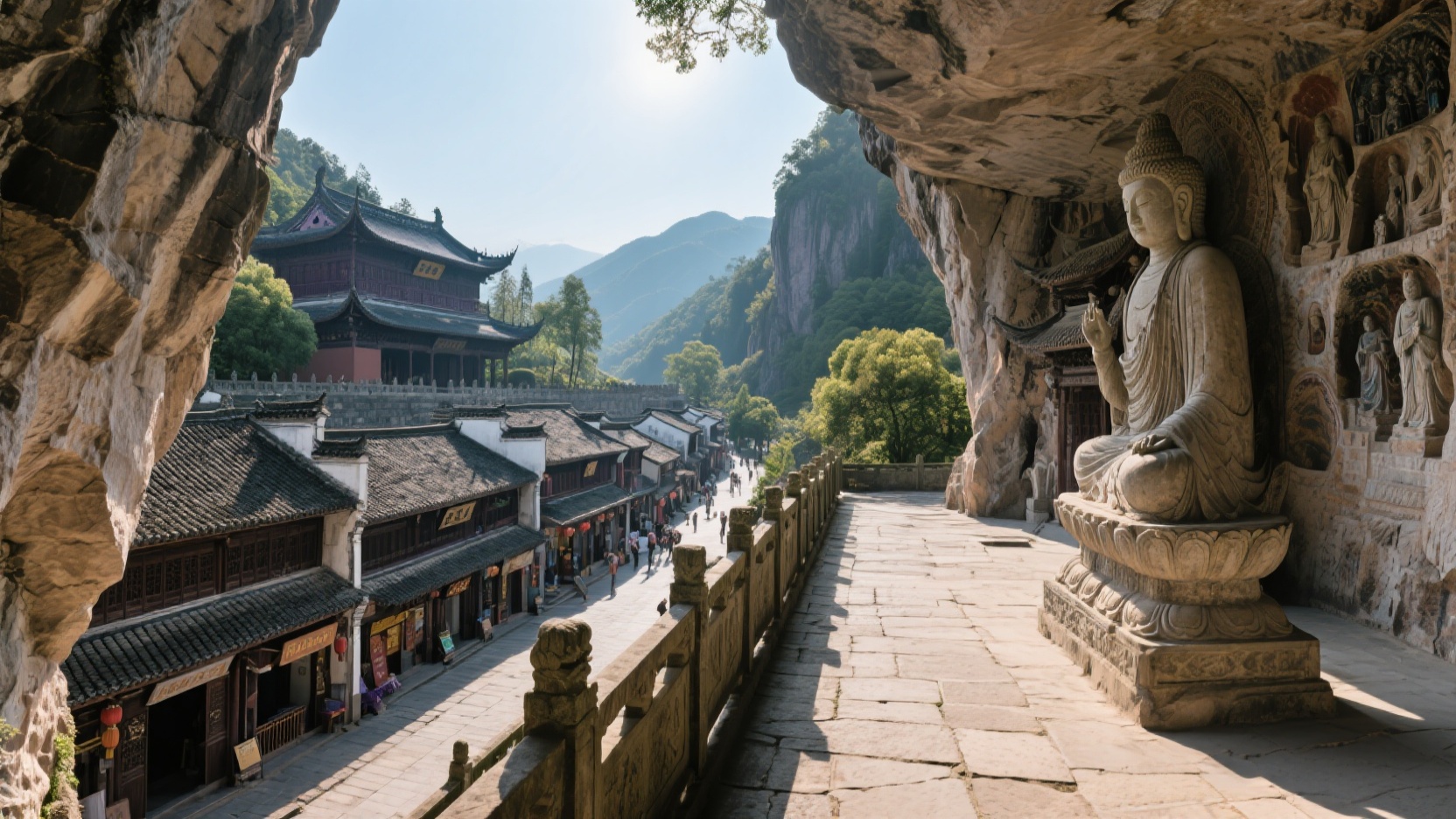
Taizhou, located on the southeastern coast of Zhejiang, is often regarded as a place of beautiful mountains and seas. However, its profound historical heritage and unique cultural features are often overshadowed by its natural beauty. XOOTOUR has planned a slow travel route centered on culture and art for you, aiming to reveal the true face of Taizhou as an "ancient county in eastern Zhejiang" and guide you to explore its thousand-year-old cultural lineage in depth.
The Grandeur of an Ancient County: Exploring the Origins of Linhai Prefecture
Taizhou Ancient City Cultural Tourism Area, located in Linhai City, is the starting point for a cultural tour of Taizhou. It showcases the layout and features of Taizhou as an ancient prefecture.
The Great Wall of Jiangnan (Taizhou City Wall): As one of the most complete and oldest existing ancient city walls in China, the Taizhou City Wall is not only a model of military defense engineering, but also a symbol of resisting Japanese pirates and protecting the peace of the region. Winding along the mountain ridge, it inherits some design elements from the Badaling Great Wall in Beijing, hence the name "Badaling of Jiangnan". Strolling along the wall, one can overlook the entire coastal area, imagine the scenes of famous generals like Qi Jiguang strategizing here, and feel the weight of history and the resilience of the nation.
Ziyang Street: Located at the foot of the city wall, Ziyang Street is the core historical district of Taizhou Ancient City. Since the Tang and Song dynasties, this ancient street has been the commercial and cultural center of Linhai, and still retains a large number of ancient buildings from the Ming and Qing dynasties. The bluestone pavement, carved wooden windows, and time-honored shops all tell tales of its past prosperity. It's not only a great place to sample local snacks and buy unique handicrafts, but also a window into experiencing traditional Taizhou street life and the living transmission of intangible cultural heritage. The street often features displays and hands-on experiences of intangible cultural heritage projects such as Taizhou Luantan (a type of storytelling performance) and paper-cutting, providing visitors with opportunities to get up close to traditional arts.
Linhai Museum: As a comprehensive platform for understanding the history and culture of Linhai and even Taizhou, Linhai Museum houses a large collection of precious cultural relics, from prehistoric cultural sites to Ming and Qing dynasty porcelain and calligraphy, systematically outlining the development trajectory of this land. Through the museum's collection, visitors can gain a deeper understanding of how Taizhou's geographical environment shaped its unique maritime culture and agricultural civilization, as well as the humanistic features of different historical periods.
Buddhist and Taoist Origins: Seeking Zen at Guoqing Temple on Mount Tiantai
Tiantai Mountain is not only a national scenic spot, but also the birthplace of the Tiantai school of Buddhism and the ancestral home of the Southern School of Taoism, enjoying the reputation of "the source of Buddhism and Taoism". Among them, Guoqing Temple is the highlight of this cultural and artistic journey.
Guoqing Temple, originally built in 598 AD during the Sui Dynasty, is the ancestral temple of the Tiantai school of Chinese Buddhism and the origin of the Tiantai school in Japan and Korea. The temple complex is built against the mountain, its ancient and elegant architecture blending seamlessly with the natural environment. The Sui Dynasty plum trees, Tang Dynasty camphor trees, and Song Dynasty cypress trees within the temple grounds have witnessed the temple's rise and fall over a thousand years. Guoqing Temple is not only a place of Buddhist worship but also a treasure trove of culture and art. It preserves a large number of steles, plaques, and couplets, including rubbings of the calligraphy of masters such as Wang Xizhi, Liu Gongquan, and Mi Fu. Here, one can feel the ancient grandeur of Sui Dynasty architecture, appreciate the profound philosophy of Buddhist culture, and experience the tranquility and serenity of Zen Buddhism. Visitors are encouraged to slow down, stroll quietly through the temple, appreciate every brick and tile of the ancient temple, listen to the monks' chanting, and even try tasting Tiantai Buddhist tea to experience the unity of tea and Zen.
Tiantai Mountain Museum: For a more comprehensive understanding of the cultural heritage of Tiantai Mountain, the Tiantai Mountain Museum is an unmissable stop. It not only showcases Tiantai Mountain's historical status as the "source of Buddhism and Taoism," but also introduces its unique natural scenery, geological features, and legends related to famous scholars and literati through rich exhibits, providing broader background knowledge for an in-depth exploration of Guoqing Temple.
Grotto Art: Exploring the Caves of Changyu in Wenling
Wenling Changyu Cave, known as the "Number One Cave of Chinese Stone Culture," is a unique landscape that combines human civilization with the wonders of nature, showcasing Taizhou's unique stone culture and art.
Changyu Grottoes: This is a group of man-made grottoes carved by generations of quarry workers, one chisel at a time. Over a thousand years of quarrying, 28 grotto complexes and 1314 individual caves have been formed. These caves are grand in scale and diverse in form; some resemble halls and palaces, while others resemble labyrinthine wonderlands, showcasing the wisdom and hardship of the ancient quarry workers. Today, some of the caves have been cleverly transformed into concert halls, museums, and art galleries, turning industrial relics into unique art spaces. While admiring the grottoes, visitors can learn about the historical evolution of Taizhou's stone culture, the advancement of quarrying tools, and the inheritance of stone carving art. This is not only a geological wonder but also a crystallization of human labor and artistic creation, making it an excellent place to experience the "stone spirit" of Taizhou.
Stone Culture Museum: Located within the Changyu Grottoes Scenic Area, the Stone Culture Museum provides a detailed introduction to the formation history of the Changyu Grottoes, quarrying techniques, stone applications, and local stone carving art through various forms such as artifacts, models, and texts. Here, visitors can gain a more systematic understanding of the profound connotations of Taizhou's stone culture and how it has permeated the production and daily lives of local people, becoming a unique regional cultural symbol.
A journey through the culture and arts of Taizhou is not merely a simple visit to tourist attractions, but a profound experience that engages with history and resonates with its culture. From the grandeur of the ancient city walls to the tranquility of Buddhist temples and the awe-inspiring grottoes, each place carries Taizhou's unique cultural memories. Slow down, feel with your heart, and you will discover a Taizhou different from its appearance—an ancient county in eastern Zhejiang brimming with stories and art.