
Kuching Art Scenery | Taiyuan: A Deep Journey Through a Thousand Years of Culture and Art
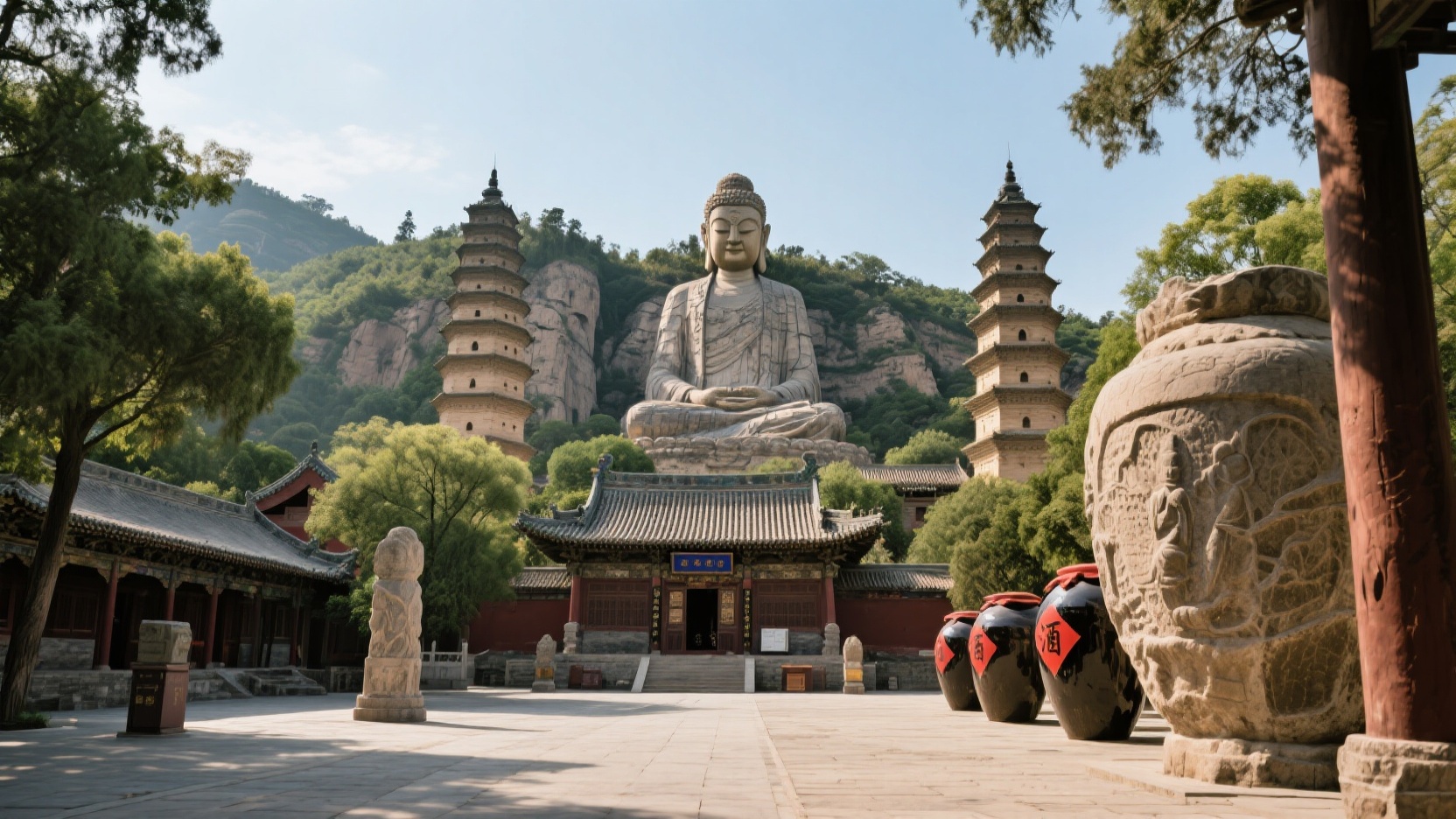
Taiyuan, an ancient capital steeped in the rich culture of Shanxi, is far more than just a bustling industrial hub. It is a shining pearl in the long river of history, harboring countless treasures of humanistic art, waiting to be discovered by discerning travelers. XOOTOUR's expert destination column will plan an in-depth Taiyuan tour centered on culture and art, avoiding superficiality and reaching the very soul of the city.
Day 1: Tracing the Roots of Jin Culture
Morning: Jinci Temple – A Living Fossil of Shanxi Civilization
The starting point for a cultural journey through Taiyuan is undoubtedly Jinci Temple. This ancient temple, originally built in the Western Zhou Dynasty to commemorate Tang Shuyu, the founding ruler of the Jin State, has withstood a thousand years of wind and rain, and is a culmination of ancient Chinese architecture, sculpture, gardens, and stele inscription art. Strolling through it, there's no need to rush; savor every brick, tile, blade of grass, and tree.
The focus is on the Hall of the Holy Mother , whose intricately designed "Fish Pond Flying Bridge" is the oldest existing overpass-style structure in China. Inside, the Song Dynasty painted sculptures, especially the statue of the Holy Mother, are dignified and possess flowing drapery, representing the pinnacle of Chinese sculpture art. The ever-flowing "Nanlao Spring," the source of the Jin River, together with the Zhou Cypress and the Qinian Cypress, forms the "Three Wonders of Jinci." Here, you can not only witness the concrete manifestations of architecture and art, but also touch upon the origins of the Jin State and the lineage of its culture, experiencing the thousand-year-old tale of "the enfeoffment of a younger brother with a paulownia leaf."
Afternoon: Shanxi Museum – A Historical Panorama of Shanxi
After leaving Jinci Temple, head to the Shanxi Museum, the best window to systematically understand the history and culture of Shanxi. As a national first-class museum, its rich collection and numerous masterpieces are truly impressive. It is recommended to allocate at least half a day, focusing on the two major thematic exhibitions: "The Soul of Jin" and "Buddhist Style".
The "Spirit of Jin" exhibition hall comprehensively showcases Shanxi's glorious history from prehistoric civilization to the Ming and Qing dynasties through chapters such as "The Hegemony of the Jin State," "The Melting Pot of Nationalities," "Buddhist Culture and Artistic Charm," "The Hometown of Opera," and "A Land of Mountains and Rivers." It focuses on the bronze artifacts unearthed from the Jin Marquis Cemetery, such as the bird-shaped bronze vessel, the M8 large ding (a type of ancient Chinese cooking vessel), and the Houma Covenant, which are key material evidence for understanding the history of the Jin State and the struggles for hegemony during the Spring and Autumn Period. The "Buddhist Culture and Artistic Charm" section gathers the essence of Buddhist sculptures from grottoes and temples throughout Shanxi, showcasing the evolution of Chinese Buddhist art from the elegant and refined styles of the Northern Wei Dynasty to the full and robust styles of the Tang Dynasty. Here, history is no longer dry text, but vivid artifacts telling stories.
Day 2: Exploring the Buddhist Charm of the Ancient Capital
Morning: Yongzuo Temple – Ming Dynasty Buddhist chants echoing through the twin pagodas.
Yongzuo Temple, commonly known as the Twin Pagoda Temple, is a landmark of Taiyuan. The two towering brick pagodas—Wenfeng Pagoda and Xuanwen Pagoda—were built during the Wanli period of the Ming Dynasty. Their elegant shapes and exquisite structures represent masterpieces of ancient Chinese pagoda architecture. They are not only Buddhist buildings but also an important part of Taiyuan's skyline, carrying the collective memories of countless Taiyuan residents.
Climbing to the top of the tower (if open) offers a panoramic view of Taiyuan, allowing you to experience the blend of the ancient capital's history and modern vitality. The temple's peony garden is also quite famous, its fragrance filling the air during bloom. Beneath the twin towers, you can appreciate the grandeur and delicacy of Ming Dynasty Buddhist architecture, imagine the bustling activity of its heyday, and understand the profound influence of Buddhist culture on the spiritual world of the people of Shanxi.
Afternoon: The Giant Buddha of Mengshan – A Stunning Example of Early Buddhist Stone Carvings
Located in the southwestern suburbs of Taiyuan, the Mengshan Giant Buddha is another invaluable treasure of Buddhist art in Taiyuan. Carved during the Tianbao era of the Northern Qi Dynasty, it predates the Leshan Giant Buddha and the Longmen Giant Buddha, making it one of the oldest existing giant stone-carved Buddha statues in China and even the world. Although most of the Buddha's body was buried in soil for a thousand years before being rediscovered and restored in recent years, its magnificent scale and ancient style remain awe-inspiring.
Strolling to the foot of the Buddha statue, gazing up at this weathered giant, one can feel its millennia-old history and tranquility. The Mengshan Giant Buddha not only showcases the superb stone carving art of the Northern Qi Dynasty, but also bears the historical imprint of the early spread and development of Buddhism in the Central Plains. It reminds us that in those forgotten corners, the artistic light of Chinese civilization has never been extinguished.
Day 3: Savoring Local Intangible Cultural Heritage and the Aesthetics of Life
Morning: Shanxi Aged Vinegar Museum – A Culinary Heritage of Intangible Cultural Heritage
"People from Shanxi can't live without vinegar," a saying that speaks volumes about the deep affection Shanxi people have for vinegar. Taiyuan, as the capital of Shanxi Province, boasts a long and rich vinegar culture. The Shanxi Aged Vinegar Museum offers an excellent opportunity to immerse yourself in this national intangible cultural heritage.
Here, through physical displays, model demonstrations, and hands-on experiences, you will learn about the traditional "five-step" brewing process of Shanxi aged vinegar, from ingredient selection, steaming, saccharification, fermentation to smoking, vinegar extraction, and aging. You will taste vinegars from different years, experiencing their rich, lingering, and perfectly balanced sweet and sour flavors. This is not only a journey for your taste buds but also a tribute to traditional agricultural wisdom and craftsmanship. Through a single drop of vinegar, you can see the Shanxi people's pursuit of quality of life and their dedication to traditional techniques.
Afternoon: Liuxiang and Wuyi Square – The Humanistic Atmosphere in the Pulse of the City
After experiencing the vinegar culture, consider visiting Liuxiang and the area around Wuyi Square, Taiyuan's most representative commercial and cultural districts. Although these are modern commercial centers, you can still feel the humanistic atmosphere of Taiyuan's everyday life.
Liuxiang has been a bustling area in Taiyuan since the Ming and Qing dynasties, where time-honored shops coexist with trendy new stores, serving as a window into the diverse lives of locals. Here, you can find local delicacies such as knife-cut noodles, lamb skewers, and sausages, experiencing the authentic Shanxi cuisine. If time permits, you can also look out for traditional handicraft shops hidden in the alleyways, or perhaps stumble upon a spontaneous performance of Shanxi opera by amateur enthusiasts on a street corner. These unexpected discoveries often reveal the true warmth of a city. They remind us that culture and art are not confined to museums and historical sites, but are integrated into every detail of daily life.
A cultural and artistic journey through Taiyuan is a dialogue across time. It requires you to slow down and feel with your heart to truly appreciate the profound charm of this ancient capital. We hope this itinerary plan will help you embark on an unforgettable cultural exploration in Shanxi Province.