
Suzhou Locals' Everyday Meals: 7 Dishes from Noodle Shops in the Morning to Lamb Stalls at Late Night
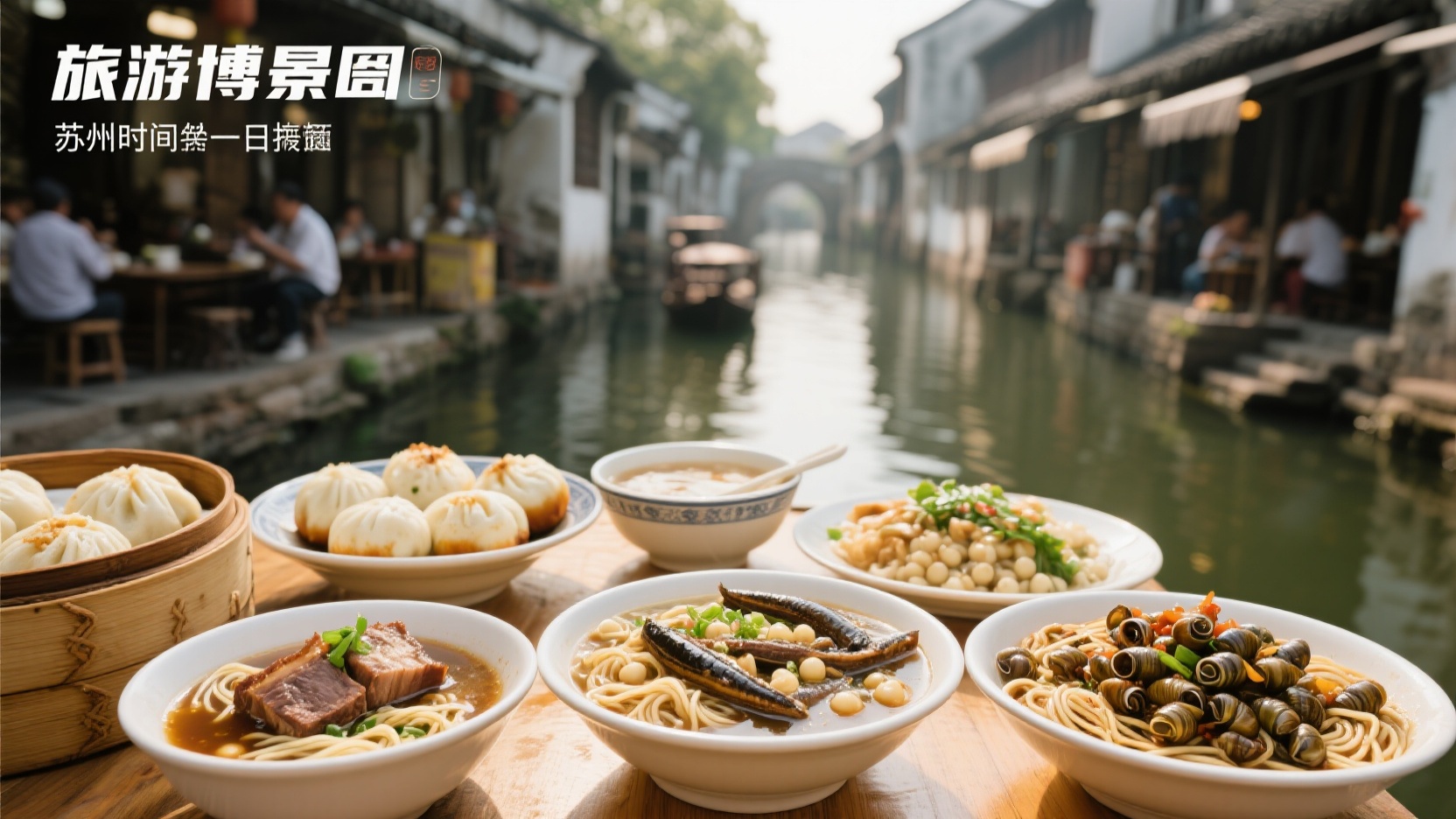
A Suzhou local's day typically begins with the sounds of "No greens" and "Plenty of soup" echoing from noodle shops in the early morning. Tourists often flock to places like Squirrel Fish Noodles and Three Shrimp Noodles, but the locals' tables are hidden in the humble eateries tucked away in the backstreets and alleys. Below is a list of everyday Suzhou dishes arranged chronologically, each corresponding to a specific time period. Only by eating them can you understand how Suzhou people live their lives.
6:30 AM: Braised Pork Noodles
Suzhou-style thin noodles, braised pork belly, simmered broth, and garlic leaves form the basic framework of a bowl of noodles. The braised pork belly is simmered in soy sauce, sugar, and spices until tender, then cooled and cut into thick slices before being buried in the noodle soup to warm it up. Thin noodles are used, cooked until just done, and then topped with the first batch of broth, resulting in a clear soup. In terms of taste, the braised pork belly is rich but not greasy, melting in your mouth, the noodles are smooth and crisp, and the soup is savory with a hint of sweetness. Suzhou people value "first-boiled noodles," as the first pot of soup in the morning has no alkaline taste. Regular diners will even request "crossing the bridge," meaning the noodles and toppings are served separately, with the soup drunk first and then the noodles eaten—all these details reflect meticulous attention to detail.
7:00 AM: Suzhou-style pan-fried buns
Almost simultaneously with the braised pork noodles, Suzhou-style pan-fried buns sizzled in a frying pan. Half-fermented dough is filled with fresh pork filling, placed seam-side down in the pan, and then partially fried and steamed with oil and water. Before serving, sesame seeds and chopped scallions are sprinkled on top. The bottom is golden and crispy, the top is soft, and the filling is firm and juicy, with a perfect balance of sweet and savory. Aspic is added to the pork filling, melting into a broth when heated; one should gently suck on it after biting into it. Suzhou people traditionally pair two ounces of pan-fried buns with a bowl of soy milk, a more filling breakfast option, creating two distinct flavor profiles in the morning, along with the braised pork noodles.
9:00 AM: Bubble Wonton
Besides noodles for breakfast, Suzhou locals often supplement their meals with a bowl of bubble wontons. The wonton wrappers are rolled extremely thin, filled with a tiny amount of fresh meat filling, and air is intentionally left in when they are sealed. After being put into the pot, the wrappers puff up like bubbles and are scooped out as soon as they float. The soup base is made with lard, dried shrimp, egg crepe strips, and chopped scallions for added flavor. The taste is characterized by smooth wrappers, clear soup, and the filling being almost purely decorative; it warms the stomach without being too filling. The portion is small, usually only about ten wontons in a bowl, but it perfectly fills that small hunger pang between breakfast and lunch, reflecting the old Suzhou culinary aesthetic of "thin wrappers and plenty of soup."
Noon: Braised Eel in Hot Oil
At lunchtime in local eateries, braised eel in hot oil is a highly popular river seafood dish. Freshly sliced eel is stir-fried in hot oil, then thickened with soy sauce, sugar, and broth. After plating, a groove is pressed into the center, and it's sprinkled with minced garlic and white pepper. A spoonful of boiling sesame oil is poured over it before serving, creating a sizzling sound. The eel slices are tender, the sauce is rich and flavorful, a perfect balance of salty and sweet, with the garlic and pepper adding a refreshing touch. In Suzhou, people often eat braised eel with rice, but mixing the sauce with rice is a less common way to enjoy it. For locals, this dish represents the wok hei (the smoky aroma imparted by a hot wok) of the restaurant's kitchen and is a daily staple of river seafood cooking.
12:30 PM: Water shield and silver fish soup
Paired with rich, dark sauces is often a soup of water shield and silver fish. Water shield from Taihu Lake is blanched to remove bitterness, silver fish is briefly scalded, seasoned with broth and thickened with a light cornstarch slurry, and finally, egg white is poured in to create a shaggy texture. The water shield is as smooth as agar, and the silver fish are translucent and boneless, creating a layered texture with the delicate water shield. The soup is light and refreshing, reflecting the Suzhou tradition of having both meat and soup for lunch. This soup is often served with braised dishes to balance the flavors and demonstrates the use of seasonal seafood by people living in the water towns.
3 PM: Chicken head rice sweet soup
In the afternoon in Suzhou, a bowl of water caltrop soup is the epitome of a slow-paced life. Water caltrop, also known as fox nut, is best when it comes from Suzhou. It's boiled in water for about a minute, then drained and served with rock sugar and dried osmanthus flowers. The water caltrop is soft on the outside and chewy on the inside, with a delicate, glutinous texture, and the soup is sweet with a hint of osmanthus fragrance. The key to cooking water caltrop is not overcooking it; once overcooked, it loses its chewy texture, a point local housewives are very particular about. It's one of the "Eight Aquatic Delicacies," with a short season. Locals traditionally cook a small bowl in the afternoon, both to satisfy their cravings and to follow seasonal health principles.
9 PM: Stir-fried snails
On the tables of late-night food stalls, stir-fried snails are an indispensable snack to accompany drinks. After the green-shelled snails have purged themselves of mud and sand, their tails are trimmed. Ginger, garlic, and chili peppers are sautéed in hot oil until fragrant, then the snails are added and stir-fried over high heat. Cooking wine, soy sauce, and sugar are added, and the sauce is reduced until thickened. The snail meat is firm and chewy, and the sauce is savory, slightly spicy; the act of sucking on the snails is itself a pleasure of late-night snacking. Eating snails is seasonal; the snail meat is fattest around the Qingming Festival, while the number of roe decreases after the start of summer. In summer night markets, a plate of stir-fried snails paired with an iced drink is a familiar social scene for Suzhou locals.
11 PM: Lamb Noodles from Zangshu
The warmth of a meal often comes from Tibetan-style mutton noodles. Mutton bones and meat are simmered for a long time to create a milky white broth. Sliced mutton is served on a bed of cabbage and glass noodles, then the broth is poured in. It can be eaten with thin noodles or enjoyed alone. The broth is fresh without being gamey, the mutton is tender, and the cabbage is sweet. You can choose different cuts of mutton, such as leg, offal, or tripe. The broth and noodles can be refilled, and you'll often hear the call, "Add a side of cabbage!" at the food stalls. In the late autumn and winter nights, it's a comforting meal for those returning home late and for taxi drivers; only after a bowl is the day truly over.
From a bowl of first-morning noodles to late-night mutton stew, Suzhou's everyday dining scene isn't about fancy dishes, but rather a tapestry of seasonal and seasonal foods. From the streets to the alleys, experience the city through its diverse cuisine in a single day.