
Tracing the Flavors of Shanghai: Authentic Foods and Tips for Avoiding Pitfalls in the City
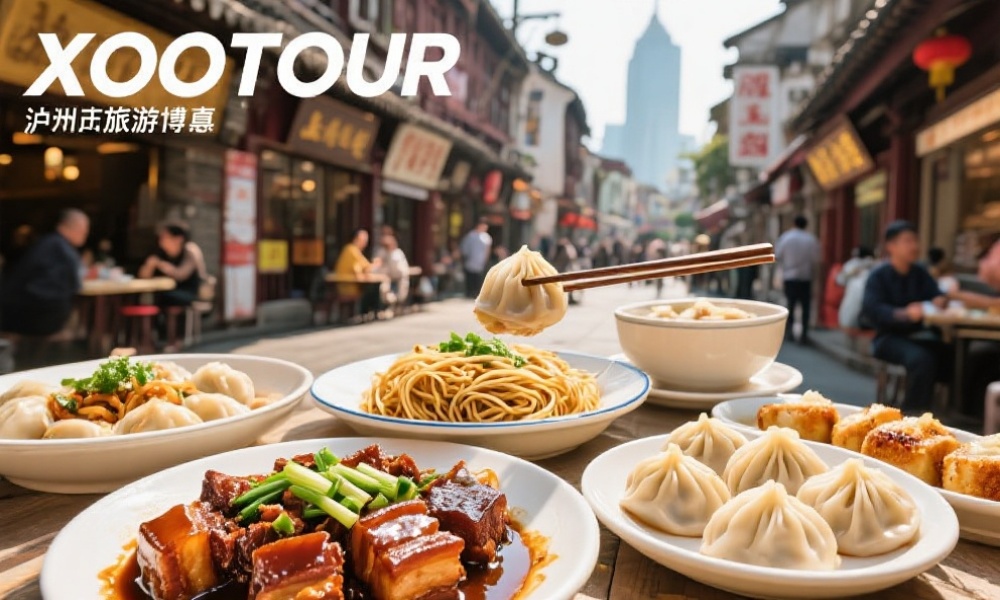
Shanghai, a cosmopolitan metropolis blending Eastern charm with Western flair, boasts a diverse and profound culinary culture. Not only is it the birthplace of local cuisine, but its unique "inclusive" spirit has also absorbed and adapted flavors from various regions, creating a distinctive Shanghai culinary landscape. This guide will delve into Shanghai's signature dishes, local favorites, and offer practical tips to avoid pitfalls, helping you accurately capture authentic flavors on your culinary journey in this magical city.
Must-try signature dishes list
Shanghai's dining tables bear witness to the city's history and daily life. Here are some classic Shanghai flavors you shouldn't miss:
- Xiaolongbao (soup dumplings ): As a synonym for Shanghai cuisine, xiaolongbao is famous for its thin skin, generous filling, juicy filling, and fresh flavor. Authentic xiaolongbao contains a pool of sweet and savory soup, with a firm and springy meat filling. When tasting it, you should first take a small bite to suck out the soup, then add ginger and vinegar to fully appreciate its essence. While Nanxiang xiaolongbao is renowned, many old shops in the local streets and alleys often offer a more affordable and home-style experience.
- Pan-fried buns : another famous dim sum dish on par with xiaolongbao. The bottom of a pan-fried bun is pan-fried until golden brown and crispy, while the top is soft and fluffy. The filling is also juicy and flavorful, and it's sprinkled with sesame seeds and scallions, giving it an irresistible aroma. Shanghai pan-fried buns are usually available with either pork or shrimp filling, each with its own unique flavor and a perfect balance of sweet and savory, making them an excellent choice for breakfast or a snack.
- Braised Pork Belly : A representative dish of Shanghainese cuisine. It uses pork belly with skin, simmered over low heat with soy sauce, rock sugar, and other seasonings until the meat is tender and flavorful, rich yet not greasy, and has a glossy reddish-brown color. Its unique balance of sweet and savory is a typical example of the "rich and flavorful" style of Shanghainese cuisine, and paired with rice, it offers ultimate satisfaction.
- Scallion oil noodles : A seemingly simple yet meticulously crafted noodle dish. Scallions are fried until golden brown and crispy, then scallion oil is extracted. This oil is then mixed with soy sauce and a little sugar, poured over chewy noodles, and stirred well. The noodles absorb the aroma of the scallion oil and the sweetness of the sauce, and when paired with dried shrimp, the rich texture and flavor make it a favorite among many Shanghainese.
- Spare Ribs and Rice Cake : A Shanghai specialty snack. Large, crispy fried pork ribs are tender on the inside, while the rice cakes are soft, chewy, and bouncy. They're drizzled with a special sauce made from a mixture of sweet bean sauce and spicy soy sauce, creating a unique flavor. A bite of spare rib and a bite of rice cake evokes the taste of old Shanghai for many.
- Crab Shell Pastry: A type of pastry shaped like a crab shell. The outer layer is crispy, and the filling can be sweet or savory. Sweet fillings are often red bean paste, while savory fillings frequently contain scallion oil or pork floss. Sprinkled with sesame seeds, it releases a wonderful aroma after baking, making it an excellent choice for afternoon tea or a snack.
- Tiao Tou Gao/Ding Sheng Gao : Traditional glutinous rice cakes. Tiao Tou Gao is usually long and narrow, filled with red bean paste, and has a soft, sweet taste. Ding Sheng Gao is mostly red, diamond-shaped or round, symbolizing good fortune, and is also filled with red bean paste, with a delicate texture.
Local favorites for food
If you want to experience Shanghai's authentic local cuisine without going to tourist hotspots, the following neighborhoods are the daily choices of locals:
- Yunnan South Road Food Street (Huangpu District) : This historic food street brings together many time-honored Shanghai brands and specialty snacks. From Xiandelai's spare rib rice cakes and Xiaojinling's salted duck to Hongchangxing's mutton hot pot, this is the perfect place to experience traditional Shanghai flavors. Although some shops have undergone modern renovations, their core flavor traditions still attract countless local diners.
- Xiangyang South Road and surrounding alleys (Xuhui District) : This area hides many unassuming yet authentic restaurants and cafes. They may not have fancy decor, but their delicious food, passed down by word of mouth, has made them the daily canteens for local residents. Here, you can find many family-run Shanghainese restaurants, specialty noodle shops, and dim sum stalls, experiencing a more authentic taste of Shanghai.
- Yuyuan Road (Jing'an District) : Yuyuan Road is not only a historical and cultural street, but in recent years it has also seen the emergence of many stylish and delicious restaurants. Here you'll find trendy cafes and creative cuisine, as well as some traditional local snack shops. Strolling along it, you can experience the charm of old Shanghai while also savoring exquisite local delicacies.
Tips for avoiding overpriced and overpriced shops and tourist attractions
In Shanghai's dining market, it's not uncommon to encounter consumer traps at trendy restaurants and those near tourist attractions. Here are some practical tips to help you avoid these pitfalls and enjoy truly authentic cuisine:
- A rational view of trendy restaurants : Many trendy restaurants overemphasize visual appeal and social media buzz, rather than the food itself. They are often characterized by long queues, high prices, and inconsistent or even subpar taste. When choosing a restaurant, it's recommended to refer to genuine user reviews on local service platforms like Dianping, especially those from established users with numerous reviews over a long period, rather than those based on a large number of short-term "recommendation" posts. Prioritize restaurants that win customers over with their taste, not just gimmicks.
- Avoid the core tourist areas : Restaurants around popular tourist attractions like the Bund, Yu Garden, and Lujiazui often suffer from "tourist premium" pricing. Even ordinary snacks can be priced much higher than market prices, and the taste and service quality vary greatly. It's recommended that after visiting the attractions, take a short walk towards nearby residential areas or secondary roads. Usually, just crossing one or two blocks will allow you to find more affordable and authentic local restaurants.
- Observe the proportion of local diners : A simple and effective criterion is to observe the proportion of local diners in the restaurant. If a restaurant has a large number of customers speaking with a local accent, it usually means that the food is well-received by locals and the prices are relatively reasonable. Conversely, if there are many tourists in the restaurant, one should be wary.
- Avoid restaurants with overly complicated menus : those offering a wide variety of international cuisines often struggle to excel in every dish. Authentic local eateries typically focus on a few signature dishes, striving for perfection.
In Shanghai, every dish carries the city's memories and warmth. Slow down and use your taste buds to experience this unique urban charm.