
Avoid these 3 districts in Hohhot | Local's Guide to Avoiding Pitfalls: These 5 Areas are the Really Good Places to Stay
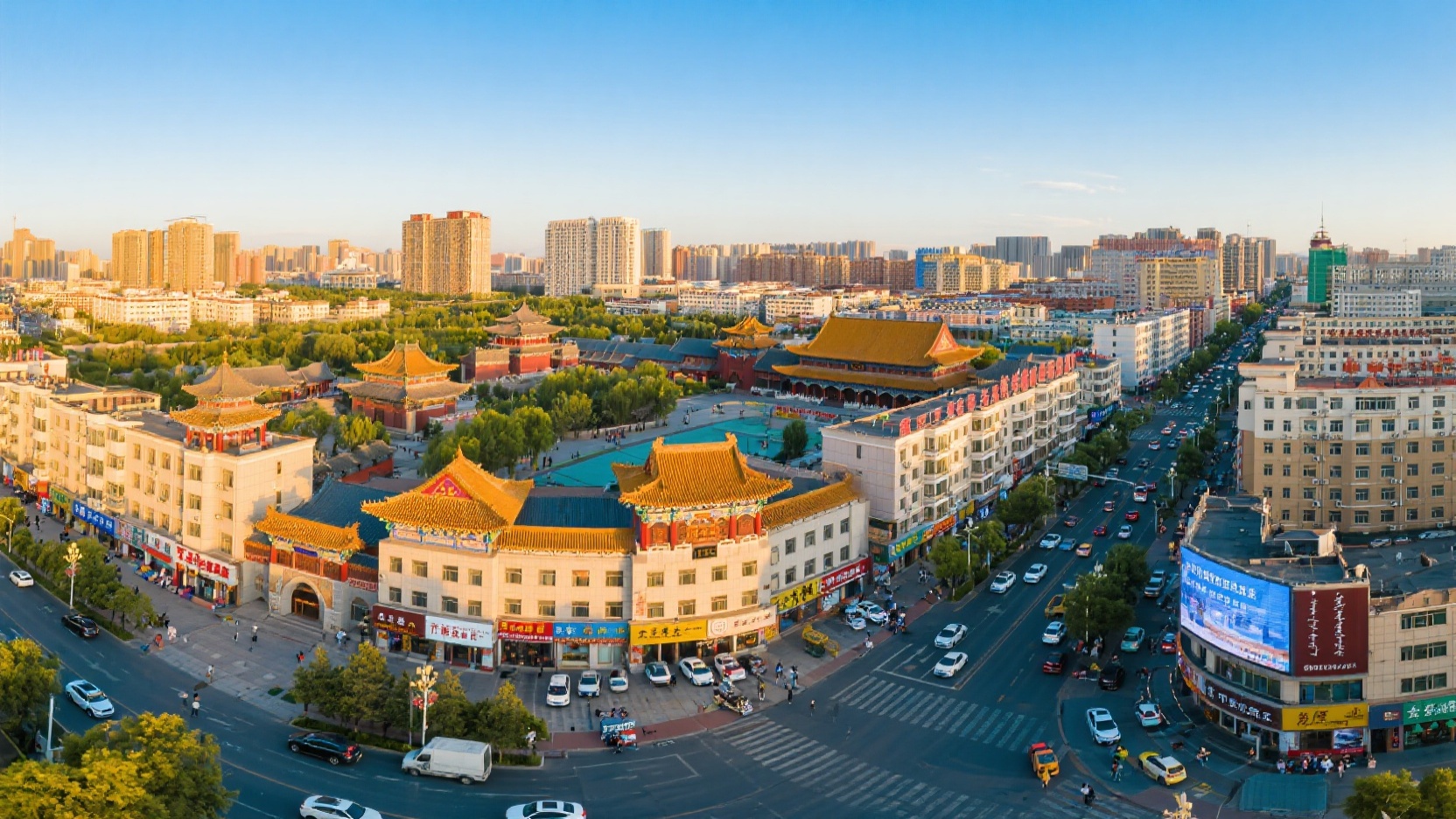
Having lived in Hohhot for seven years, the only time I ever wanted to check out of a hotel because of noise in the middle of the night was when I stayed at a "trendy guesthouse" near Dazhao Temple based on a travel guide. At 1 a.m., they were still playing music outside my window, and the alley was so narrow that even ride-hailing cars couldn't get in. I dragged my suitcase 800 meters. Later, when I talked to a local friend about it, they simply said, "We never stay in that area."
Hohhot isn't a large city, but choosing the wrong area for accommodation can drastically diminish your experience. Travel guides often prioritize "closeness to attractions" as the sole criterion, neglecting to address noise, traffic congestion, and nighttime safety. Truly comfortable accommodations are often hidden within the local community on the outskirts of the old city. Below, we'll remove three overly recommended areas and present five secondary core areas where locals actually stay.
The three areas recommended in the travel guides every day are basically uninhabited by locals.
The first area is around Dazhao Temple and Sai Shang Old Street. While it seems like you're right next to tourist attractions, the old town's alleys are narrow and mostly one-way, making it incredibly crowded with tour buses and tricycles in the evenings. Many of the so-called "characteristic" guesthouses nearby are converted old buildings with extremely poor soundproofing, and the barbecue bars downstairs can be noisy until the wee hours. Parking is practically nonexistent, making it a nightmare for anyone driving.
The second is the Hailiang commercial district on Zhongshan Road. Travel guides always say it's "convenient in the city center," but locals in Hohhot avoid it on weekends due to traffic jams. Loudspeakers blare from morning till night in the commercial street below, and there are many drunk people at night, making it unsettling for single women to walk alone at night. Many older hotels have outdated facilities, and those with street-facing windows are definitely not safe to sleep in. It's also not as close to Dazhao Temple as one might imagine; a taxi ride can take up to twenty minutes in traffic.
The third area is the East Railway Station and Ruyi area. Its problems are typical: while it seems close to the airport and high-speed rail, it's actually far from major attractions. A taxi ride to Dazhao Temple takes at least half an hour, and the streets are eerily empty at night. There are few dining options nearby, delivery services are slow, and the hotel clusters lack vibrancy, making the area feel deserted when you return late at night. Parking is convenient, but aside from that, the entire experience is negatively impacted.
Xueyuan Street University District: Suitable for budget-conscious individuals and students.
Xueyuan Street and Zhaowuda Road are home to many local universities, resulting in a low cost of living and convenient dining options. From shaomai (steamed dumpling) restaurants to Sichuan and Hunan eateries and late-night fried skewers, there's something for everyone. It's suitable for backpackers, students, or those who don't want to spend too much on accommodation. It's about a 15-minute taxi ride from Dazhao Temple and not far from Metro Line 2, making commuting to and from the old town relatively easy.
Returning home late at night feels safer; the area around the school has bright streetlights and many small shops, and you can see scattered students even in the early morning. Parking is relatively limited; spaces are scarce in older residential areas, but short-term parking on the street is not difficult. If you're not obsessed with modern renovations or Instagrammable spots, this area offers great value for money.
Xilin South Road Jiamou Living Area: The top choice for families who want to be close to Dazhao Temple but are afraid of noise.
The Jiamou commercial district is located along Xilin South Road, with mature living facilities, supermarkets, shopping malls, and chain restaurants concentrated here. It's quieter than Dazhao Temple, but it's only a ten-minute taxi ride to Daxue West Street Station on Line 2 and a short walk from there, which is also acceptable. It's suitable for families with elderly people and children, as they don't have to squeeze into the old town's alleys.
There are plenty of restaurants nearby, including Mongolian food, hot pot, and home-style dishes. Convenience stores are still open after 10 PM. Walking back to the hotel late at night via the main road feels safe. Parking is available at the mall, but it can be difficult on holidays. Parking in nearby residential areas is subject to luck; it's recommended to choose chain hotels with underground parking.
Genghis Khan Street Altai area: a quiet overnight destination for self-driving and family trips.
This area is in the northern part of the new city district. The roads are wide, the residential areas are new, and it's much quieter than the city center at night. The rooms are generally larger than in the old city, making it suitable for a stopover before driving to the grasslands, or for families with children who don't want to be woken up by nightlife. It takes about 20 minutes by taxi to Dazhao Temple, and you can take Line 2 directly to Zhongshan Road and the train station.
While the area doesn't have as many restaurants as the university district, there are Mongolian restaurants and breakfast stalls in the community's shops, making it convenient to grab a hot breakfast before heading out. The area is safe late at night; there are few cars and people on the streets, but streetlights and access control are readily available. Parking is a significant advantage; both the underground parking garages in the newly built community and marked parking spaces on the roadside are easy to find.
Jinqiao Development Zone South Section: A perfect place to stop and park before heading to the grasslands.
The southern section of Jinqiao is considered a secondary core residential area by locals. It's not very close to the old town attractions; a taxi ride to Dazhao Temple takes about 25 minutes. However, the roads are in good condition and there's no traffic congestion. It's suitable for road trips, long-term stays, or people planning to head south to the grasslands the next day. The surrounding restaurants are mainly located in the community's ground-floor shops, including several popular local restaurants serving shaomai (steamed dumplings) and lamb offal.
It's very quiet at night, without the hustle and bustle of tourist attractions and shopping districts. Returning to the hotel late at night is generally peaceful, thanks to the excellent security and surveillance coverage of the complex. Parking is extremely convenient for drivers, with wide roads and plenty of spaces – the most convenient of the five areas. Unless you absolutely need to stay near tourist attractions, this is a very reliable option.
Xinhua East Street Exhibition Hall Area: A compromise between airport transit and museum enthusiasts.
Xinhua East Street runs eastward from the old city, and the area around the exhibition hall and museum has a strong local atmosphere. Staying here makes it within walking distance of the Inner Mongolia Museum. It's convenient to take Line 1 to the airport or Hohhot East Railway Station, and a taxi to Dazhao Temple takes about 20 minutes. It's suitable for people catching a flight the next day who don't want to stay in the desolate area near the East Railway Station.
The area is surrounded by older residential communities, offering plenty of breakfast shops, noodle restaurants, and barbecue stalls—a genuine local neighborhood. Even late at night, there are buses and taxis running, preventing the area from being as deserted as Ruyi near the East Railway Station. Parking is generally average; spaces are limited on the narrow streets of the older residential areas, but it's still much better than Zhongshan Road.
In closing: Don't ask the locals if I didn't tell you.
Don't just look at the straight-line distance on the map. The alleys within a kilometer of Dazhao Temple can be so congested during rush hour that you'll question your existence. What looks short in a straight line is actually a long detour.
When visiting the grasslands during peak season, try to choose accommodations near Jinqiao in the south or Altai in the north. Avoid crowded places like Dazhao Temple and Zhongshan Road. Getting a good night's sleep is more important than being close to the attractions.
When returning to a hotel late at night, prioritize chain hotels or residential complexes with 24-hour access control. Some trendy guesthouses in the back alleys of the old town are nice for taking photos, but soundproofing and security are largely a matter of luck.
For self-driving tours, prioritize the southern section of Jinqiao and the Altai area. Parking spaces in the old town and Zhongshan Road are extremely difficult to find, and it's a disaster during holidays. It's better to drive an extra ten minutes than to waste time looking for a parking space.
If you're catching a flight, a high-rise chain hotel near Xinhua East Street or East Railway Station is sufficient. Avoid the empty hotel clusters in the Ruyi area, as it's difficult to get a taxi or find food at night.