
How many days are enough in Hong Kong? Eight questions to answer before you go.
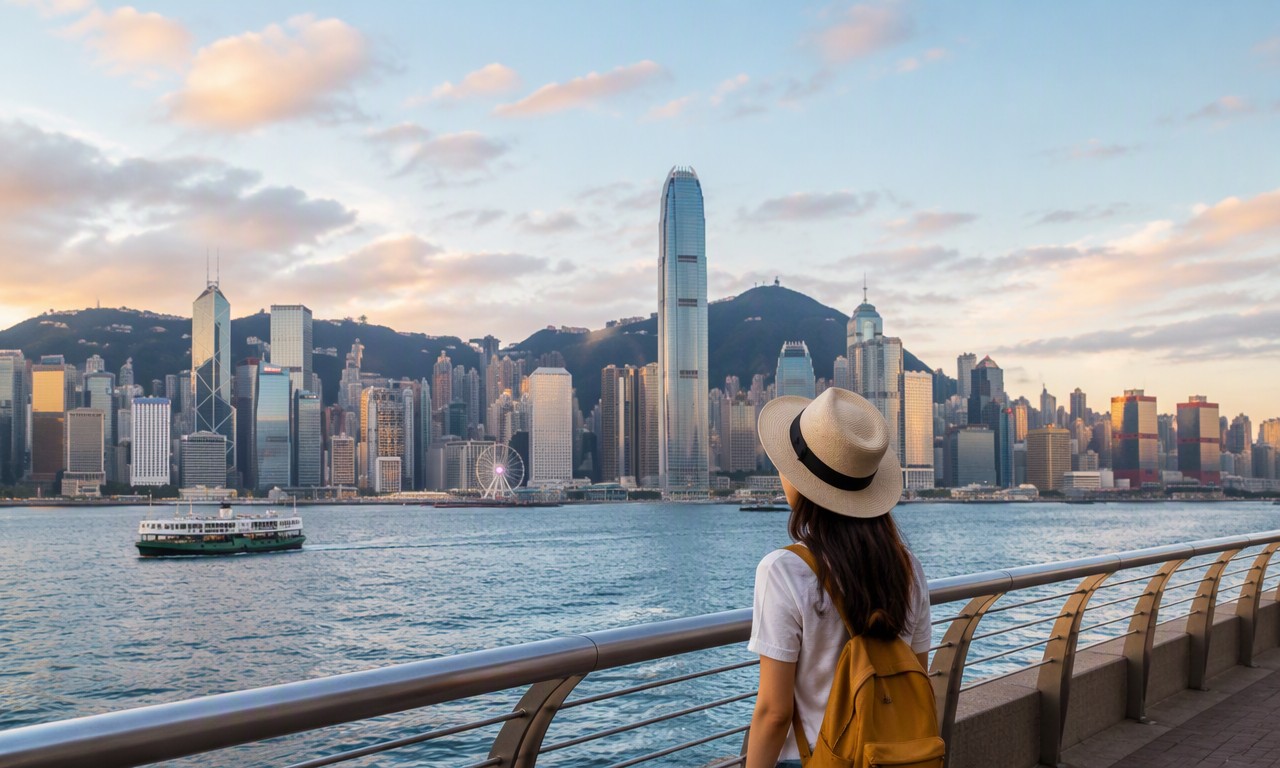
Whenever someone asks me "How to travel in Hong Kong?", the biggest headache isn't the lack of answers, but rather the abundance of them. There are tons of online guides, but few address the most basic questions: How many days to go, when to go, how much to spend, and is it feasible to travel alone? Without understanding these, even the longest list is useless. This article uses a question-and-answer format to thoroughly address the eight most common pre-trip questions. Each answer provides a judgment, a reason, and a practical guide.
First question: How many days are enough to visit Hong Kong?
My assessment is: for a first-time visit, four days and three nights are recommended. The reason is straightforward: the core of Hong Kong isn't the "number of attractions," but the "density of experience." If you only stay two days, you can only complete the most superficial checklist, not even having time for a decent market breakfast. Three days are when you start to feel it, and four days allow you to find your own rhythm between Mong Kok and Sai Wan.
How to plan your trip? On the first day, after landing, stay in Kowloon and explore the Tsim Sha Tsui waterfront and Yau Ma Tei area. Enjoy the Victoria Harbour view in the evening, but don't go into the shopping malls. On the second day, cross the harbor to Hong Kong Island, visiting Central, Sheung Wan, and Victoria Peak – one day is enough. Dedicate the third day to the part of Hong Kong that interests you most: if you like older neighborhoods, go to Sham Shui Po and Cheung Sha Wan; if you prefer the countryside, go to Dragon's Back or Lamma Island. On the fourth day, wrap things up, have some dim sum, buy some souvenirs, and if you're not in a rush to catch a flight, you can add Sai Kung or Tai Po.
Second question: What season is the best to visit?
If I could only choose one, I'd pick mid-November to mid-December. The reasons are practical: the weather is consistently around 20 degrees Celsius, there are many sunny days, you won't feel sweaty while walking, and there's no strong wind for enjoying the night view. Hong Kong around the Lunar New Year is actually quite cold, and many old shops close for the holidays, which isn't ideal for those wanting to experience the local markets and authentic food stalls.
Is summer a good time to visit? Sure, but with a different approach. Hong Kong in July and August is hot and humid, making midday walks unsuitable. Instead, divide your itinerary into two parts: strolling in the early morning and evening, and visiting shopping malls, museums, or cafes at midday. If you're willing to embrace this rhythm, summer in Hong Kong offers a completely different experience: fewer people on the streets, air conditioning indoors, and a glass of iced lemon tea that's more thirst-quenching than ever.
Third question: Is it safe for someone to go alone?
Safety. Hong Kong's public spaces are very friendly to solo travelers, the subway runs late into the night, convenience stores are extremely densely packed, and there are almost no dark corners on the streets that would make you nervous. But this doesn't mean there are no boundaries: in Mong Kok and Yau Ma Tei late at night, you need to maintain basic vigilance around certain back alleys and small hostels. This is not unique to Hong Kong, but common sense in any big city.
Traveling alone in Hong Kong actually has its advantages. It's easier to blend into the many markets and small shops alone, without having to wait in line or compromise. The tea restaurants in Sham Shui Po, the dried seafood street in Sheung Wan, and the markets in Tai Po are all places where you can feel most comfortable exploring alone. Just bring your Octopus card and a charged phone, and you can basically go wherever you want.
Fourth question: Is it suitable to bring elderly people and children?
Partially suitable, but you need to make the right choice. Hong Kong's accessibility facilities are not bad; subway stations have elevators, and shopping malls are conveniently connected by footbridges. The problem is that many older communities lack elevators, such as the tenement buildings and street shops in Sai Wan and Sham Shui Po, where the slopes are numerous and the streets are narrow, making it difficult to push strollers or accompany the elderly.
Here's a guideline for families with elderly members and children: plan each section within a 15-minute walking radius. Suitable areas include the Central Ferry Pier to Wan Chai Promenade, Tsim Sha Tsui Promenade, Ocean Park, and Hong Kong Park. Unsuitable areas include the slope from Sheung Wan to Sai Ying Pun and the crowds in Mong Kok. If I could only choose one place on Hong Kong Island to take my family, I would choose Hong Kong Park and the Central Tram Station – a leisurely stroll to explore at my own pace.
Fifth question: What is the approximate budget?
Excluding airfare, here's a breakdown of your four-day, three-night budget: Accommodation is the biggest expense: For value, choose mid-range hotels in Sham Shui Po or Jordan, costing a few hundred dollars per person per night; for sea views and convenience, consider high-end hotels in Tsim Sha Tsui and Causeway Bay. Food in Hong Kong is very flexible. A meal at a local cafe can be had for a few dozen dollars per person, as can a roast meat rice dish with a cold drink. For a more substantial meal, choose a mid-range Cantonese restaurant, costing between a hundred and two hundred dollars per person.
My experience and advice is to allocate your budget as follows: 30% for accommodation, 40% for food, 10% for transportation, and 20% for leisure activities. Transportation in Hong Kong is really inexpensive; an Octopus card for the MTR won't cost much in a day. What will really cause you to overspend are impromptu attraction tickets and souvenirs. Before you go, make a list of the paid attractions you want to visit, limit yourself to two or fewer, and leave the rest to the streets.
Question 6: Which district is the most convenient to live in?
It depends on your travel theme. For first-time visitors to Hong Kong, I recommend staying in Jordan or Yau Ma Tei. There are three reasons: convenient access to the Airport Express, numerous MTR stations within walking distance, and plenty of late-night snacks just downstairs. These aren't the most upscale places, but they most feel like "living in Hong Kong" rather than "just passing through."
If you're here for photography and browsing cafes, stay in Sheung Wan or Sai Ying Pun. This area has changed quite a bit in recent years, with old tenement buildings and new shops mixed together. In the morning, you can smell the aroma of dried seafood, and in the afternoon, the scent of coffee. The downside is that there are many slopes, making it unsuitable for dragging large luggage. For those traveling with children or with a lot of luggage, the MTR station above Tsim Sha Tsui is the most convenient option—it's a bit more expensive, but every journey is less strenuous.
Question 7: Should I buy a transportation card?
No need to buy one; you can use your Octopus card or mobile payment. The Octopus card is the most universally accepted option; it can be used on the MTR, buses, convenience stores, and tea restaurants, and you can get a refund before leaving. Mobile payment has become more widespread in Hong Kong than you might imagine, but some small shops and market stalls still only accept cash or Octopus cards, so it's advisable not to rely entirely on your phone.
Regarding "tourist multi-day passes," my assessment is that they aren't necessarily cost-effective. If your itinerary involves frequent subway travel within two or three days, it might be worth considering; however, if you prefer buses and walking, a single-journey Octopus card is more flexible. The distances between Hong Kong subway stations are short, and many people only take a few trips a day, so the total fare isn't high. Estimate your route before deciding; there's no need to buy in advance.
Question 8: What else is worth bringing back from Hong Kong?
Don't just bring back cosmetics and snacks. What's most worth bringing back from Hong Kong are the "lifestyle" items that you can still use after you leave. For example, the fabric and hardware stores in Sham Shui Po have some everyday items that are hard to find elsewhere; the old pharmacies in Sheung Wan have consistently high-quality medicinal oils and herbal tea bags; and the traditional bakeries in Tai Po Market have some dim sum that are only available locally.
There's a little principle to buying souvenirs: buy things your family will actually use. Don't buy a bunch of beautifully packaged sets just because "I have to buy something when I come to Hong Kong." If you're really clueless, go to a bakery where locals are queuing up and buy a box of egg rolls or walnut shortbread. That comforting feeling of smelling the oven is more "Hong Kong" than any souvenir.