
When is the best day to buy a gift as a souvenir?
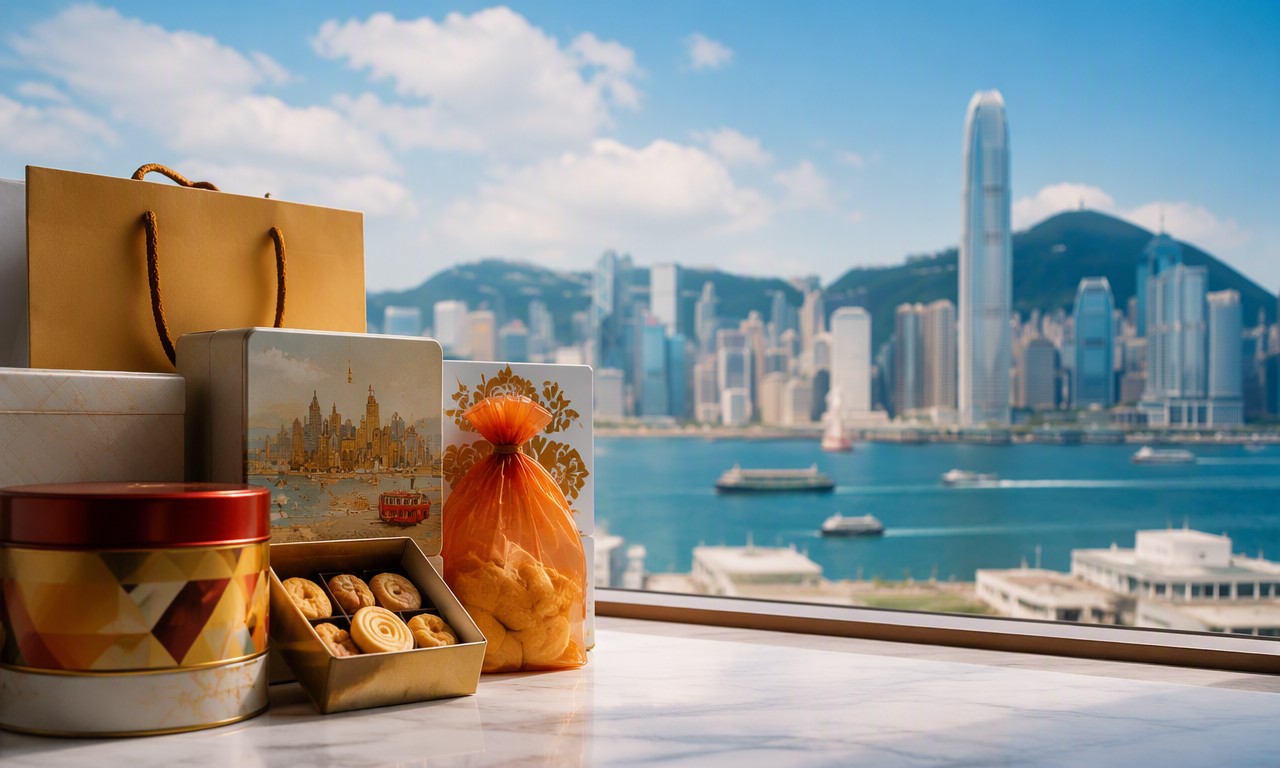
The real challenge with Hong Kong souvenirs isn't "what to buy," but rather "when to buy and how long they'll last." Buying too early risks spoilage, buying too late risks rushing, buying too much is too much to carry, and buying too little isn't enough to share. This article aims to answer one core question: how to efficiently plan souvenir purchases within a limited itinerary, ensuring each item returns in its best condition. This question deserves serious consideration because most Hong Kong food souvenirs lack preservatives, resulting in a shorter shelf life than many tourists expect. If the order is wrong, you might bring back regret rather than heartfelt sentiments.
One to two days before departure: Decide who to give it to and whether the recipient can eat it immediately.
Before you set off, don't open any shopping list. First, spend ten minutes dividing the recipients into two categories: one is people you can see within two or three days of your return trip, such as colleagues or friends in the same city; the other is people you'll need to mail the items to or won't see for a while, such as relatives in other cities. This categorization will directly determine what to buy each day thereafter. If the recipient can't receive the item immediately, avoid buying anything with a shelf life of less than three days; this is where many people make mistakes.
At the same time, figure out your budget. Hong Kong souvenirs range from inexpensive loose items at the market to high-end gift boxes from hotel bakeries. The difference in perceived quality between buying something for a few tens of dollars per person and something for a hundred dollars or more is significant. Decide on the approximate price range for each gift before you go, so you won't be led astray by the packaging when you arrive. Many bakeries in Hong Kong make very beautiful gift boxes, but the contents may not be much better than loose items. If you have a limited budget, focus on the contents and choose a simple packaging style.
Day 1: Just browse, no buying, but make a "short shelf life list".
Those who rush into shopping on their first day, before even putting down their luggage, are often the most exhausted by the end. The best time to spend this day is to observe the shops and confectioneries along the way, noting down any bakeries, sauce shops, or tea houses that interest you, especially those labeled "fresh today," "no additives," or "must be refrigerated." Many neighborhood bakeries in Hong Kong sell freshly made egg rolls, phoenix rolls, and crispy biscuits, with the baking time clearly displayed on the counter. These items are incredibly fragrant, but their shelf life is usually only three to five days.
Why not rush to buy on the first day? Because short-shelf-life products should be purchased towards the end of the trip; buying them too early might mean they're nearing their expiration date by the time you return. The first day is better for filtering and comparing. Look at several stores for the same type of item, ask the staff about the expiration date and storage methods, and then decide which day to make a special trip to pick it up later. Hong Kong shop assistants are generally patient; if you ask, "How many days can this be kept?" or "Does it need to be refrigerated?", they will tell you directly.
Days 2 and 3 of the trip: Buy "fresh pie" with a shelf life of three to seven days.
Midway through the trip is the perfect time to stock up on short-shelf-life souvenirs. Egg rolls, freshly made cookies, some filled pastries, and certain market-made pastries are all available at these stalls. These items are best consumed within three to five days of arriving home, so only buy them for people you're sure you'll see soon. When buying, always ask if refrigeration is required. Hong Kong's hot weather causes many pastries to soften and become oily after a day or two at room temperature; refrigeration helps maintain their texture.
For carrying, short-shelf-life foods are susceptible to damage from pressure and heat. It's recommended to put them in your carry-on luggage, not at the bottom of your suitcase. If you've bought boxed egg rolls, wrap them in soft clothing before putting them in your backpack to minimize bumps. Since it's not yet peak return travel time and you don't have much luggage, it's a good time to grab these delicate items first. If your accommodation has a refrigerator, store them as recommended by the store, and then unpack them before your departure the next day.
Days 3-4 of the trip: Supplement with the "safe choice" (products with a shelf life of seven to thirty days).
This category is the mainstay of souvenir gifts, including most cookies, almond cookies, walnut shortbread, some teas, preserved meats, and vacuum-packed roasted meats. They last longer than short-shelf-life products and have a more handcrafted feel and local flavor than long-shelf-life items, making them the least likely to go wrong as gifts. By the time you're halfway through your trip, you'll have a basic understanding of Hong Kong's pastries and drinks, and you won't blindly follow trends when buying.
Buying items with medium to long shelf lives at this time has another practical advantage: if your itinerary changes in the next two days, or you suddenly want to buy something else from a different store, you still have room to adjust. Many people only do their bulk shopping the day before their return trip, only to find that the stores they want to buy from are closed that day, or the queues are too long and they miss their flight. Buying on the third or fourth day allows for more flexibility and less pressure. After buying, pack everything in the middle layer of your suitcase to prevent it from being crushed by heavy items; tea and preserved meats can be placed between your clothes as cushioning.
The day before departure: Complete most of the purchases and deal with items that "need to be repackaged".
The day before your return trip is the best time for bulk shopping. By then, your itinerary is mostly finalized, you know how much space and budget you have left, and you also know who you haven't yet booked. Sauces like XO sauce, shrimp paste, and soy sauce, packaged soup mixes, instant noodles, and dried seafood like scallops, shiitake mushrooms, and dried shrimp that can be stored for a long time are all suitable to buy on this day. As long as dried goods are kept dry and not exposed to direct sunlight, they can be kept for one or two months or even longer.
Sauce bottles are heavy and prone to leaks, so check the seal when buying them. It's best to ask the shop assistant to add a layer of cling film to the lid before tightening it. Then, divide the sauce into individual plastic bags and place them in the center of your checked baggage. Don't buy large bottles unless the recipient will use them quickly. Many sauce shops in Hong Kong offer small or medium-sized packages; while the unit price isn't low, the quantity is just right, and it won't feel like a burden to bring back. For all liquids, check the airline's baggage regulations in advance to avoid being stopped at boarding.
On the day of return: Only buy "safety net" items that can be stored for a long time.
It's not recommended to do a large amount of shopping on the day of your return trip, but you can keep some "safety net" items: instant milk tea packets, coffee drip bags, lemon juice, preserved plums, instant noodles, and seasoning salt packets—items that can be stored for more than six months. Buy some near the airport or train station to help those who haven't yet received these items. These items don't take up refrigeration space, are pressure-resistant and heat-resistant, and their quality won't be affected by the bumpy ride back.
Why buy on the day of your return trip instead of in advance? Because these fallback items are generally available in supermarkets or retail outlets near airports and train stations, eliminating the need to go to established stores. On the last day, you'll know how many gifts you still need and whether you have enough space in your suitcase, making this the most precise time to replenish your stock. After purchasing, simply put them in your carry-on bag or the outer pocket of your suitcase, and you can distribute them immediately upon arrival home, without any worry about keeping them fresh.
On the day of arrival and afterwards: deliver the shorter shelf-life items first, and label and archive the longer shelf-life items.
Many people think their task is finished after buying souvenirs, but the real test of judgment lies in how they are distributed after they arrive home. Items with a shelf life of three to seven days should be delivered on the same day if possible; otherwise, refrigerate them and set a reminder on your phone. For items with a medium to long shelf life, open and inspect them; eat or separate any damaged packaging to avoid making the whole box look unsightly. Long-lasting dried goods and beverages can be stored in a cool, dry place, labeled with the purchase date.
The biggest fear when buying Hong Kong souvenirs is "buying them but not being able to give them away, and they just go bad." Instead, decide what to give based on the order in which you'll see people after you arrive home. Give short-distance gifts to those nearby, long-distance gifts to those further away, sauces and dried goods to those who can cook, and tea and snacks to everyone. Plan this order before you leave, so you can buy quickly in Hong Kong and avoid the hassle of giving gifts upon your return. This way, nothing you buy will go to waste, and every gift will reach the right person.