
Do you have to order food in Hong Kong?
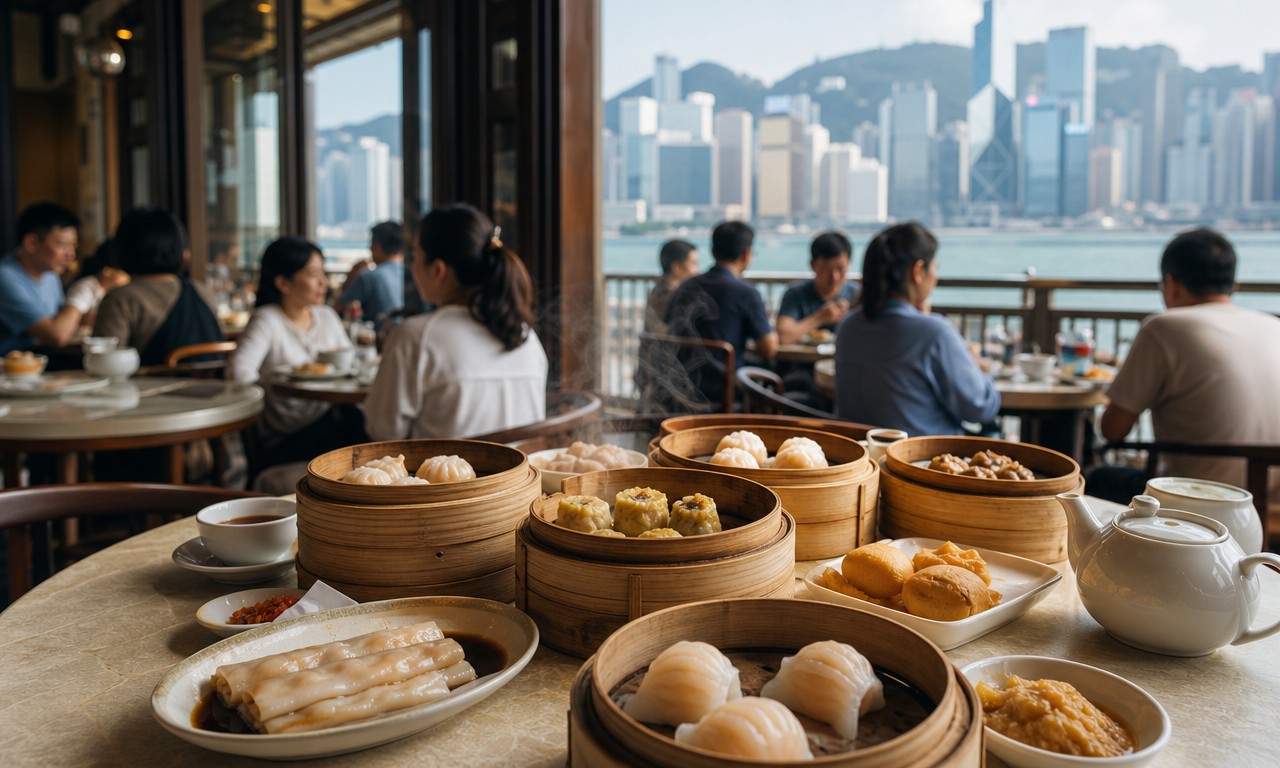
Many readers ask before their trip: Is timing really so important when it comes to eating in Hong Kong? My answer is: some things aren't "you can eat them anytime." If you miss that time, what you eat will be a completely different experience. The core question this article aims to answer is—what are Hong Kong locals actually eating at each mealtime of the day, and why are those specific times considered the right times to eat? Once you understand this, you won't have to worry about finding the right food at every street corner.
6:00 AM First pot of rice at the morning market
This time of day is for freshly made congee and rice noodle rolls. Most tourists don't get up early, but if you manage to find the food stalls on the second floor of the market, you'll see the first customers are people just getting off their night shifts, elderly people who have finished grocery shopping, and locals in vests. Congee is best eaten at this time because the broth is cooked from the early morning, and the first batch is the smoothest and most creamy. It's served with a plate of freshly fried dough sticks or beef tongue pastries, crispy and not yet soggy. The same goes for rice noodle rolls; the rice batter is freshly ground in the morning. After 9 am, some stalls start using their stock, resulting in a firmer texture. To enjoy this food at this time, it's most convenient to stay in the Yau Ma Tei, Mong Kok, or Sham Shui Po area; the market is just a short walk away.
8:00 Local breakfast
Eight o'clock is the busiest time at a Hong Kong-style cafe. The best thing to eat at this time isn't pineapple buns or instant noodles, but rather "satay beef noodles with iced milk tea." The reason is simple: the satay beef is marinated the night before, and the first batch cooked in the morning is still tender, with the sauce not yet repeatedly heated. If you order after ten o'clock, the meat might be overcooked, and the sauce too salty. The same goes for the iced milk tea; the tea base is brewed in the morning, and the balance of tea aroma and milk is best in the first few cups. If you go in at this time, you'll find yourself surrounded by people rushing to work; orders are taken quickly, food is served quickly, and tables turn over quickly—just follow their lead and you'll be on the right track.
11:00 Lunch Service
Eleven o'clock is the best time to eat roast meats. At this time, the roast goose and char siu are freshly baked in their first batch, with crispy skin and the juices still locked inside. By 12:30, office workers flock in, and by the time you get to the front of the line, it might be the second or third batch, the skin will be soft, and the taste will be significantly worse. If you want roast goose, arrive before 11:00 and sit near the kitchen so you can hear the chef chopping it – that's a simple way to judge freshness. Another option for lunch is "two-course rice," but understand that it's about value for money and speed, not about exquisite flavor; don't use the wrong standard.
3:00 PM Afternoon tea or sweet soup
Three o'clock is when dessert shops just open and afternoon tea at tea restaurants begins. The best thing to eat at this time is "hot sweet soup with a savory snack," such as sesame paste with turnip cake, or red bean paste with pan-fried stuffed trio. The logic is simple: lunch is over, dinner hasn't arrived yet, there's an empty stomach but you don't want to eat too much, and the sweet and savory combination fills that gap perfectly. Many long-established dessert shops don't open until 3 pm because the sweet soup needs to be made that day; too early and it won't sell out, too late and it won't be ready. If you enter the shop at 3 pm, you can see the auntie still stirring the first batch of sweet soup in the pot—the richest bowl of the day.
18:00 Night market or evening market
Six o'clock is the prime time for street food stalls and stir-fries. At this time, you get the "wok hei" (the smoky aroma imparted by a hot wok), because the stove has just been turned on, the wok is still clean, and the oil temperature is easy to control. Dishes like stir-fried beef noodles with black bean sauce and clams, and salt and pepper squid are at their most fragrant then. After eight o'clock, the stove is covered in burnt residue from dozens of previous orders, and even the most diligent chef will inevitably have some off-flavors. Another reason is that going at six o'clock means no wait; after seven o'clock, there are more families and tourists queuing, and the faster the food is served, the harder it is to maintain the perfect cooking temperature. There's a principle to ordering at street food stalls—only order dishes that require high heat and quick stir-frying; save steamed, boiled, and pre-cooked dishes for lunchtime.
22:00 Late-night snack
The key to late-night snacks after 10 PM isn't about filling your stomach, but about finding something that's still up to standard before the stall closes. Charcoal-grilled egg waffles are highly recommended. Traditional stalls only open at night, and the charcoal-grilled waffles are crispy on the outside and soft on the inside, with a subtle smoky flavor—completely different from the electric version. Next is congee, especially freshly made congee. You can choose from fish slices, pork liver, or beef. By 10 PM, the congee is thicker and smoother than in the morning, perfectly complemented by a side of blanched bok choy. The worst thing to eat at this time is fried food or heavily oiled and spicy dishes, as they put a strain on your stomach and will negatively impact your schedule the next day. The standard for late-night snacks isn't "quantity," but rather "being able to sleep well afterward."