
Ice City Food Guide | Authentic Harbin Flavors, the Taste of Northern China
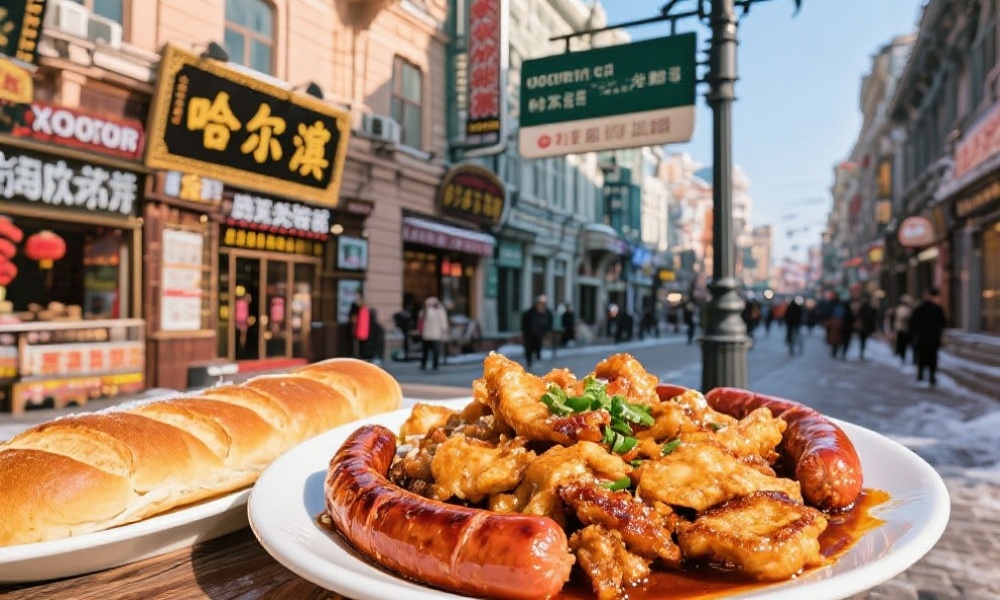
Harbin, a city hailed as the "Moscow of the East," is renowned not only for its unique European charm and snow-covered landscapes, but also for its fusion cuisine that blends the bold spirit of Northeast China with the romance of Russia, making it a culinary destination that captivates countless food lovers. Its food culture is deeply rooted in its cold climate and the historical context of multi-ethnic integration, forming a distinctive culinary system. From street food to grand banquet dishes, everything bears the unique imprint of this city.
Must-try signature dishes list
Sweet and Sour Pork: As a representative of Northeastern Chinese cuisine, Harbin's version is particularly authentic. Its distinctive feature lies in using sliced pork tenderloin, which is fried twice, resulting in a crispy exterior and a tender interior. Traditionally, it's seasoned with a sweet and sour sauce, offering a perfectly balanced sweet and sour flavor, a golden color, and an enticing aroma of vinegar. While a ketchup version has become popular in recent years, for the authentic taste, be sure to choose the traditional sweet and sour version. One bite, and the crispiness and meaty aroma intertwine, the sweet and sour flavors dancing on the tongue—an indispensable taste experience during a trip to Harbin.
Harbin Red Sausage: Originating in Lithuania, it has become a signature dish of Harbin after a century of refinement and inheritance. Made with high-quality pork, it undergoes multiple smoking processes, resulting in a reddish-brown color, firm texture, and elasticity. Its unique garlicky and smoky flavor is rich and mellow. It can be eaten sliced directly, paired with bread and beer, or used in salads and fried rice. When purchasing, it is recommended to choose established brands for better flavor.
Big Bread: This is a giant bread originating from Russia, which has taken root in Harbin. It is large and round, with a crispy crust and a dense, chewy interior after baking. Made primarily with rye flour and fermented for a long time, it has a unique slightly sour flavor. It is not only a staple food for locals but also an excellent choice for tourists to experience Harbin's exotic atmosphere. Sliced and served with red sausage, jam, or butter, it offers a simple yet rich wheat flavor.
Kvass: Also a representative Russian beverage, kvass is a low-alcohol drink made from fermented bread. It has an amber color, a refreshing taste, a unique malty aroma, and a slightly sweet and sour flavor, with fine bubbles. In the hot summer, a glass of chilled kvass provides an excellent thirst-quenching experience; in the cold winter, it adds a unique exotic touch to the table. It pairs perfectly with various delicacies in Harbin.
"Pig Slaughter Feast": A classic Northeastern Chinese home-style dish originating from the custom of stewing fresh pork, pig's blood, sauerkraut, and other ingredients in a pot after slaughtering a pig for the New Year, to be shared with family and friends. Harbin's version typically includes blood sausage, pork belly, sauerkraut, and glass noodles. The broth is rich and flavorful, the meat tender and juicy, the sauerkraut refreshing and juicy, and the blood sausage flavorful and unique. This dish embodies the Northeastern people's efficient use of ingredients and their joy in the harvest, making it a must-try for experiencing authentic Northeastern cuisine.
Three Treasures of the Earth: Although a simple home-style stir-fry, it is widely popular due to its unique cooking method and taste. It uses three fresh vegetables—potatoes, eggplant, and green peppers—which are deep-fried and then stir-fried with a sauce. The potatoes are soft and tender, the eggplant is tender and flavorful, and the green peppers are sweet and crisp. All three elements coexist harmoniously in the savory-sweet sauce, resulting in a rich flavor and balanced nutrition. It represents the exquisite use of everyday ingredients in Northeastern Chinese cuisine and is an indispensable delicacy on the dining table.
Madier Ice Cream: A century-old brand on Central Street, Madier Ice Cream is renowned for its unique, rich milky flavor and moderate sweetness. It contains no additives, has a delicate texture, melts in your mouth, and boasts a rich milky aroma. Even in the cold winter, strolling along Central Street with a Madier ice cream in hand has become a unique sight in Harbin. Beneath its simple packaging lies a pure and classic deliciousness.
Braised Pork Ribs: Northeastern-style braised pork ribs are renowned for their large pieces, rich flavor, and intense meaty aroma. Made with pork bones, they are stewed for a long time until the meat is tender and falls off the bone, with the sauce fully infused into the meat. Eating these ribs not only allows you to savor the delicious, meat-on-bone flavor but also lets you experience the hearty and generous culinary culture of Northeast China. Served with a bowl of rice or steamed buns, it makes for a truly satisfying meal.
Local favorites for food
The area surrounding Central Avenue in Daoli District: While Central Avenue itself is a must-visit for tourists, its surrounding alleys and secondary streets, such as Hongxia Street, West Seventh Street, and West Eighth Street, hide many restaurants frequented by locals and time-honored establishments. Here you'll find not only Russian restaurants and bakeries, but also numerous small shops serving Northeastern home-style cuisine. It's recommended to explore these streets and alleys, seeking out those unassuming yet bustling eateries; you'll often discover unexpected culinary delights.
Daowai Old Daowai Chinese Baroque Street: If you want to experience the most authentic Harbin street life and local cuisine, Old Daowai is the top choice. It preserves a large number of Chinese Baroque-style buildings, and the streets and alleys are filled with a rich historical atmosphere. The snacks and restaurants in Old Daowai mainly serve traditional Northeastern cuisine, such as Zhang Bao Pu's steamed buns, Fan Ji Yong's dumplings, and Lao Ding Feng's pastries—tastes that locals have enjoyed since childhood. The prices here are relatively affordable, making it an excellent place to experience the vibrant, down-to-earth atmosphere of Harbin.
The area around Gogol Street is renowned for its rich cultural and artistic atmosphere and European-style architecture, and its surrounding area is also home to many unique restaurants and cafes. Compared to the hustle and bustle of Central Street, the dining environment here is more elegant, ranging from Western restaurants with Russian influences to many trendy creative eateries. While the local flavors may not be as prominent as in the old Daowai district, it's a good choice for diners who appreciate a pleasant dining environment and diverse options.
Tips for avoiding overpriced and overpriced shops and tourist attractions
Be cautious about trendy restaurants: Social media-famous restaurants often attract tourists with their unique decor and photo-worthy spots, but the quality of their food and value for money vary greatly. Some may have inflated prices, mediocre taste, or excessively long queues. It's recommended to consult real user reviews on local food platforms (such as Dianping) before choosing a trendy restaurant, especially feedback from local users, rather than relying solely on travel blogger recommendations. Avoid blindly following trends and save your limited stomach capacity for truly worthwhile delicacies.
Be wary of overpriced dining at tourist attractions: Restaurants within or near major attractions like Harbin Ice and Snow World, Sun Island, and the Polar Aquarium are generally more expensive than in the city center, with limited menu options and potentially less distinctive flavors to cater to a wider audience. It's recommended to eat in the surrounding area or city center before or after entering the attractions. If you must eat within the attractions, consider purchasing pre-packaged food or light meals to avoid overspending at restaurants.
Tips for identifying authentic local restaurants: Truly authentic restaurants often don't need fancy decor; their storefronts may be simple and unpretentious, but they are frequented by local diners, especially older customers. Menus are usually concise, focusing on a few signature dishes, and prices are transparent. Waiters may not be overly pushy, but they have in-depth knowledge of the food. In addition, observing the restaurant's hygiene and the freshness of its ingredients are also important criteria. In Harbin, many small shops hidden in old residential areas or alleyways often offer delightful surprises.
Plan your dining time wisely: Avoiding peak lunch (12:00-13:30) and dinner (18:00-20:00) hours can effectively reduce waiting time and provide a better dining experience. Some popular restaurants may even offer more affordable set menus during off-peak hours.
Harbin's cuisine is a microcosm of the city's history and culture. Slow down, use your taste buds to feel the story behind each dish, and savor the unique richness and passion of northern China.