
Hangzhou Art and Travel: Exploring the Millennia-Old Cultural Heritage and Craftsmanship of West Lake
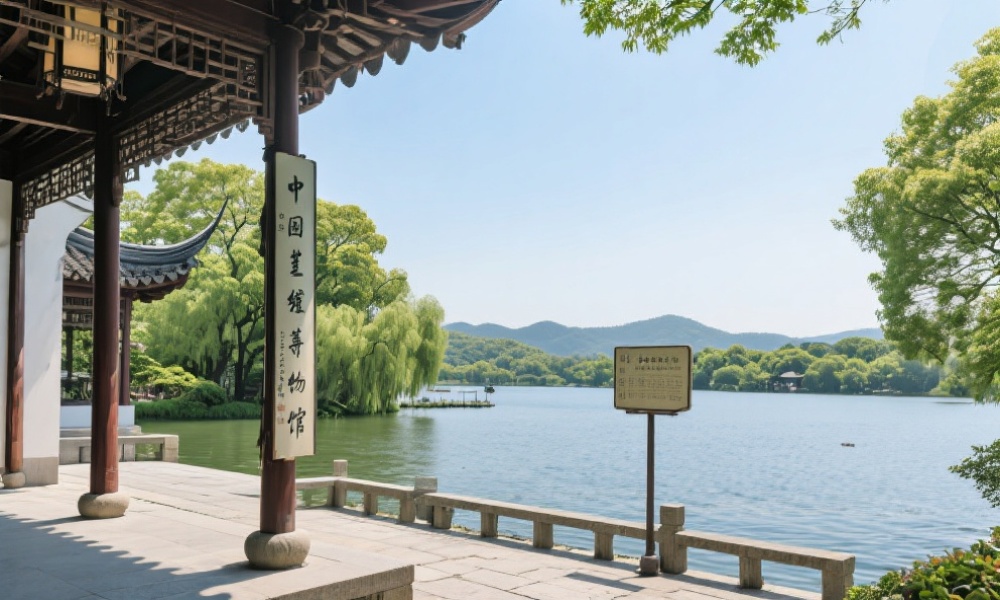
Hangzhou, a city hailed as "paradise on earth," possesses charm not only in its stunning West Lake scenery but also in its profound and enduring cultural and artistic heritage. From the grandeur of the Southern Song Dynasty imperial city to the poetic dwellings of literati, from exquisite silk and tea art to unique intangible cultural heritage, every brick and tile in Hangzhou carries a thousand-year-old story. XOOTOUR's expert destination column aims to plan a slow-paced travel route for travelers seeking in-depth cultural experiences, allowing them to escape the hustle and bustle and immerse themselves in the essence of Hangzhou's culture and art.
The Legacy of Song Dynasty Culture: The Depth and Breadth of History
Hangzhou was once Lin'an, the capital of the Southern Song Dynasty, a history that has left an indelible mark on the city. To gain a deeper understanding of Hangzhou's Song Dynasty charm, the first stop is recommended to be the Zhejiang Provincial Museum (Gushan Branch) . As a comprehensive museum, its rich collection not only covers artifacts from Zhejiang's prehistoric culture to the Ming and Qing Dynasties, but also provides a detailed display of Southern Song culture. The Song Dynasty porcelain, calligraphy and paintings, gold and silver wares on display silently tell the story of the prosperity and elegance of Lin'an in its heyday. Through careful observation of these artifacts, visitors can glimpse the aesthetic tastes, lifestyles, and even governance philosophies of the Song Dynasty's scholar-official class, and understand the core of the "elegance" of Song Dynasty culture.
Afterwards, we moved to the Xiling Seal Society , located at the southern foot of Gushan Mountain. Founded in 1904, this art society, renowned as "the foremost society under heaven" for its seal carving and epigraphy, is the highest institution for the study of seal carving art. Its campus is built against the mountain, with exquisite gardens where pavilions and terraces blend seamlessly with the natural landscape. Here, visitors can not only appreciate precious works of seal carving, epigraphy, and painting from various dynasties and experience the unique charm of seal carving art, but also feel the dedication and inheritance of traditional culture by literati. The Xiling Seal Society is not merely a tourist attraction, but a living cultural palace; the cultural heritage it carries is an important part of the traditional art of Hangzhou and even China.
West Lake Elegance: Poetic Dwelling and Philosophical Reflection
West Lake is much more than just a pool of clear water. It has been the subject of countless poems and verses, and every scenic spot is intricately linked to historical anecdotes and poetic expressions. On our cultural and artistic journey, we encourage visitors to slow down and savor the cultural significance of West Lake.
Stroll along the Bai Causeway or Su Causeway, experiencing the poetic sentiment of Su Shi's line, "West Lake is like Xi Shi, beautiful whether lightly or heavily adorned." Visit the Yue Fei Temple to learn about the loyal story of Yue Fei, the famous general who resisted the Jin dynasty during the Southern Song Dynasty, and feel the inheritance of national integrity. Climb Leifeng Pagoda for a panoramic view of West Lake, while revisiting the poignant legend of Bai Suzhen and Xu Xian, understanding how folk tales are integrated into the geographical landscape and become part of cultural memory. The charm of West Lake lies in the deep fusion of its scenery and human stories; every stop is a dialogue with history and poetry.
Silk and Tea: The Inheritance of Craftsmanship and the Aesthetics of Life
Hangzhou has been known as the "Silk Capital" and "Tea Capital" since ancient times. Silk and tea are not only economic pillars, but also cultural symbols integrated into the aesthetics of Hangzhou people's lives.
A visit to the China National Silk Museum is an ideal way to learn about silk culture. As the world's largest museum dedicated to silk, it systematically showcases the origin, development, production techniques, cultural connotations, and history of the Silk Road in China. From silkworm rearing and silk reeling to weaving and dyeing, from ancient clothing to modern design, visitors can directly experience the exquisite craftsmanship and evolution of silk techniques. The museum also features interactive experience areas, such as traditional tie-dyeing and hand-painted silk scarves, allowing visitors to participate and experience the unique charm of silk art firsthand.
The China National Tea Museum (Shuangfeng Branch) transports visitors to a world of fragrant tea. Nestled within the Longjing tea gardens, the museum boasts a tranquil environment. It comprehensively introduces the origins, development, types, tea utensils, tea ceremony, and the global spread of tea culture in China. Here, visitors can learn about the unique processing techniques and tasting methods of Longjing tea, and have the opportunity to participate in professional tea ceremony experiences, learning the etiquette and philosophy of tea brewing and tasting, and experiencing the profound harmony between Zen and tea. This is not only a feast for the taste buds but also a purification of the soul.
Intangible Cultural Heritage Transmission: The Pulse of Culture and the Spirit of Craftsmanship
Hangzhou boasts a rich and diverse intangible cultural heritage, which serves as a carrier of the city's living culture.
Visit the Hu Qing Yu Tang Chinese Medicine Museum to explore the mysteries of traditional Chinese medicine culture. Founded in the late Qing Dynasty by the renowned merchant Hu Xueyan, Hu Qing Yu Tang upholds the principle of "honesty and integrity" as its ancestral motto, a tradition that continues to this day. The museum, located within its ancient architectural complex, showcases tools for processing Chinese medicinal herbs, prescriptions, pharmacology, and the historical development of traditional Chinese medicine. Visitors can not only learn about the traditional processing techniques and pharmacological knowledge of Chinese medicine but also experience the honest business philosophy and compassionate spirit of this century-old brand. Some hands-on activities, such as making sachets and experiencing traditional medicinal cuisine, allow visitors to gain a deeper understanding and appreciation of Chinese medicine culture.
In addition, although the area around Hefang Street is quite commercialized, traces of many intangible cultural heritage handicrafts can still be found. Established shops such as Wang Xingji fans, Zhang Xiaoquan scissors, and West Lake silk umbrellas not only sell goods but also showcase traditional craftsmanship. Visitors can observe artisans making their products up close and even participate in some simple hands-on experiences, feeling the warmth and dedication of traditional handicrafts.
A cultural and artistic journey through Hangzhou is a gradual exploration. It requires travelers to slow down and appreciate the surroundings. From museum artifacts to the poetic beauty of West Lake, from the delicacy of silk to the rich flavor of tea, and the craftsmanship of intangible cultural heritage, every place is imbued with profound cultural stories and philosophical insights. Choosing XOOTOUR's cultural route means more than just sightseeing; it's about immersing yourself in a cultural dialogue spanning millennia, experiencing Hangzhou's unique artistic and lifestyle aesthetics.