
These 8 hidden gem restaurants in Guangzhou | A local, non-trendy list I compiled after three trips (with 3 tips to avoid pitfalls)
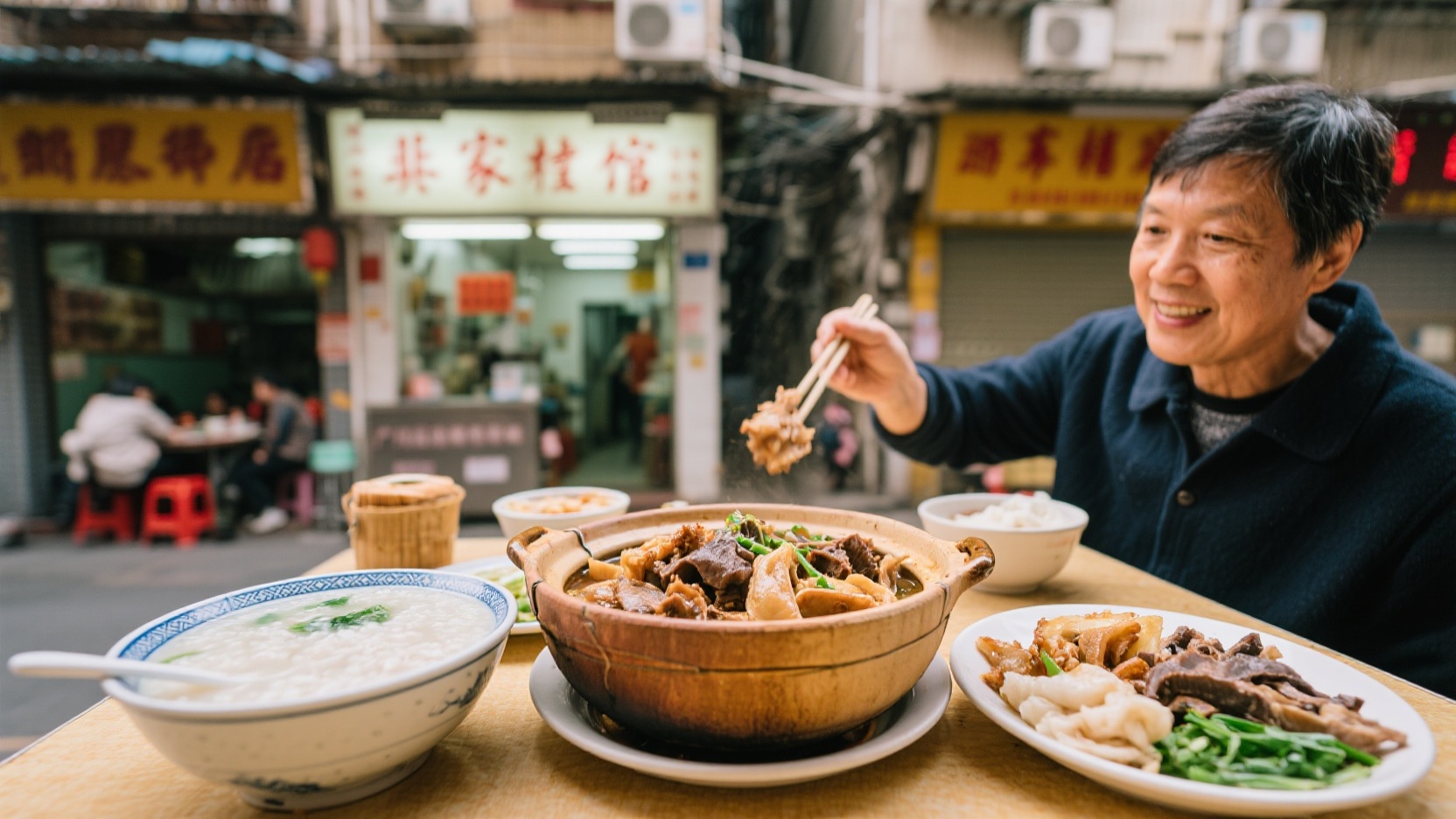
To find this list, I made three trips to Guangzhou, specifically exploring the arcades under the old city buildings, the back alleys of the wet markets, and the community stalls still lit up at dawn. The first trip, relying on a phone list, resulted in more than half disappointing experiences. The second trip involved queuing with local grandmothers to finally get the hang of it. The third trip was a special return visit to confirm the consistent quality. None of the following eight restaurants have ever been on any must-eat lists. They don't do marketing or hang signs, but at mealtimes, their doors are packed with electric scooters, and uncles and aunties come in with stainless steel lunchboxes to get takeout. If you're tired of chain teahouses and trendy queue-filled restaurants, please keep this personal favorite list handy.
Yuexiu Rice Noodle Street and Cangbian Road: Neighborhood Rice Noodles Only Available for Breakfast and Lunch
On Zha Fen Street, there's a beef brisket noodle stall without a sign, open only from 6 AM to 1 PM. An elderly woman cooks the noodles fresh at a wooden table, the beef brisket simmered overnight with fermented bean curd and star anise until it becomes gelatinous. Why it's worth a visit: the broth isn't a cloudy braising liquid, but a clear beef bone soup with a authentic herbal aftertaste. How to order the signature dish: simply order "beef brisket noodles with a side of fried fish skin." First, take a couple of sips of the original broth, then pick up a piece of tendon beef brisket with pickled radish. Nearby: an elderly woman at the street corner sells homemade pig intestine noodles; buy some as an extra breakfast topping, or head to the market across the street to pick up some yellow clams to make soup.
Turning off from Zhafen Street onto Cangbian Road, you'll find a traditional bamboo-pressed noodle shop with only five or six tables. The owner presses the dough every morning before dawn, and the wontons are made and cooked to order. Why it's worth a visit: the noodles are springy and not alkaline, and the broth has the aroma of dried flounder and shrimp roe, not just MSG. What to order: the "Small Wonton" is the best choice; if you want more noodles, ask for extra filling in advance. The shrimp and pork ratio in the wontons is perfect, and they don't fall apart when you bite into them. Nearby shopping: the chicken biscuits and walnut shortbread from the bakery next door are a popular accompaniment to tea; take a bag home to enjoy with your tea.
At the intersection of Longjin Road and Huagui Road in Liwan District: Ginger Milk Pudding and Limited-Time Roast Meat in the Alley
Hidden in an alley on Longjin Road is a Shawan ginger milk dessert shop, where the old lady freshly grinds and pounds ginger from her own garden. Why it's worth a visit: the ginger flavor is pungent but not harsh, and the milk skin is so thick it can gently support the back of a spoon, unlike some chain dessert shops where the ginger juice is just a token touch. What to order: The hot ginger milk is a must-order, along with a side of steamed egg custard in buffalo milk; remember not to stir, but to scoop it out spoonful by spoonful along the rim of the bowl. What to buy nearby: Grab a packet of Pantang water chestnut flour from the nearby market entrance; it's refreshing and delicious when you make a paste at home.
There's a roast meat shop on Huagui Road that caters only to local residents. Their roast goose comes out of the oven at 4 PM, and people are already waiting with lunchboxes half an hour in advance. Why it's worth going: crispy skin, tender meat, fragrant but not greasy goose fat, and they use local Wuzhi geese. How to order their signature dish: just say "I want the lower-class goose with leg," and remember to ask the owner for an extra packet of plum sauce after it's chopped. You can buy vegetables at the nearby stall. Something to buy along the way: the herbal tea shop next door has a refreshing tea to cut through the richness, so grab a cup to go.
Haizhu Nancun Road and Baoye Road: The secret code of pork offal porridge and beef offal carts at dawn.
There's a pork offal congee stall on the corner of Nancun Road that doesn't have a sign and only opens in the early morning. Why it's worth going: the offal is brought back daily from the slaughterhouse by the uncle, the congee broth is simmered until it's fully cooked, and the goji leaves are freshly washed and added—it's so fresh it doesn't need much seasoning. How to order the signature dishes: first, go to the open counter and choose pork liver, pork intestines, and pork kidneys, priced per person; then order a serving of rice noodle rolls to start with. Something to buy nearby: across the alley, there's an old lady selling savory pancakes; be sure to buy two, tear them into the congee, soak them until they're half-soft, and eat them—a hidden local way of eating them.
The offal stall in Baoye Road community sells out by 6 PM, starting at 4 PM. Why it's worth a visit: the offal is meticulously cleaned, with no unpleasant odor, and the broth, infused with dried tangerine peel and monk fruit, has a distinctly sweet aftertaste. How to order the signature dish: tell the elderly lady, "offal with gluten and radish, less broth," and she'll pick out the most flavorful radish for you. Nearby shopping: the fruit stall next door sells seasonal wampee or longan; buying half a pound is refreshing and helps cut through the richness of the dish.
Fangcun Luju Road and Hualei Road: A community loop of charcoal-fired chicken hot pot and four kinds of sweet soups.
There's a charcoal-fired chicken hot pot restaurant near Luju Road. The environment is so basic—just plastic stools—but the charcoal fire is strong enough. Why it's worth going: The clear broth is made with five-finger peach and red dates, freshly simmered. The chicken is made to order from Qingyuan chicken, chopped to order, resulting in smooth skin and firm meat. How to order the signature dish: Drink the soup first, then add the chicken, accompanied by a side of bamboo shoots and lettuce; don't order too many side dishes, as they will overpower the broth's flavor. A convenient place to buy something nearby: The convenience store next door sells glass-bottled Sarsaparilla soda; grab a bottle to go with the chicken hot pot—a summer staple for locals.
A traditional dessert shop on Hualei Road sells only four types of desserts, all freshly made daily. Why it's worth a visit: The mung bean soup includes fermented herbs and dried tangerine peel, and the seaweed is cooked until smooth and creamy—it tastes like something you'd only ever had at home when I was a child. What to order: The chilled mung bean soup is a must-try; if you like a creamy flavor, add a side of coconut milk sago pudding. Something to buy nearby: The pineapple buns at the bakery next door have a thick, flaky crust; buy one, break it open, and dip it in the dessert syrup—a popular way for nearby students to enjoy them.
The blogger's summary: Avoid crowds and follow the community food delivery vendors.
After three visits, my deepest impression is that Guangzhou's true culinary delights aren't on the lists, but rather hidden in the tin sheds, plastic stools, and stainless steel lunchboxes of locals in the neighborhoods. These shops don't rely on ambiance to win over customers, but rather on a bowl of soup, a piece of roast goose, or a bowl of sweet soup to preserve the city's culinary essence. Next time you're in Guangzhou, consider setting aside those trendy spots on your wishlist, and instead explore the arcades under the buildings, following the locals' mealtimes.
Finally, three reminders: First, don't go during peak meal times. These shops either have long queues or close down after selling out. It's recommended to go half an hour after opening or during the last round before closing. Second, don't just order the signature dishes. Many hidden ways to eat these dishes are found in the locals' regular pairings. For example, pork offal congee should be paired with savory pancakes, and chicken hot pot should be paired with bottled soda. Third, remember to bring cash. Some elderly people only accept banknotes, and even the fastest mobile phone is not as useful as a single coin.