
Food in Chengdu: A Guide to Exploring Authentic Local Cuisine and Avoiding Pitfalls
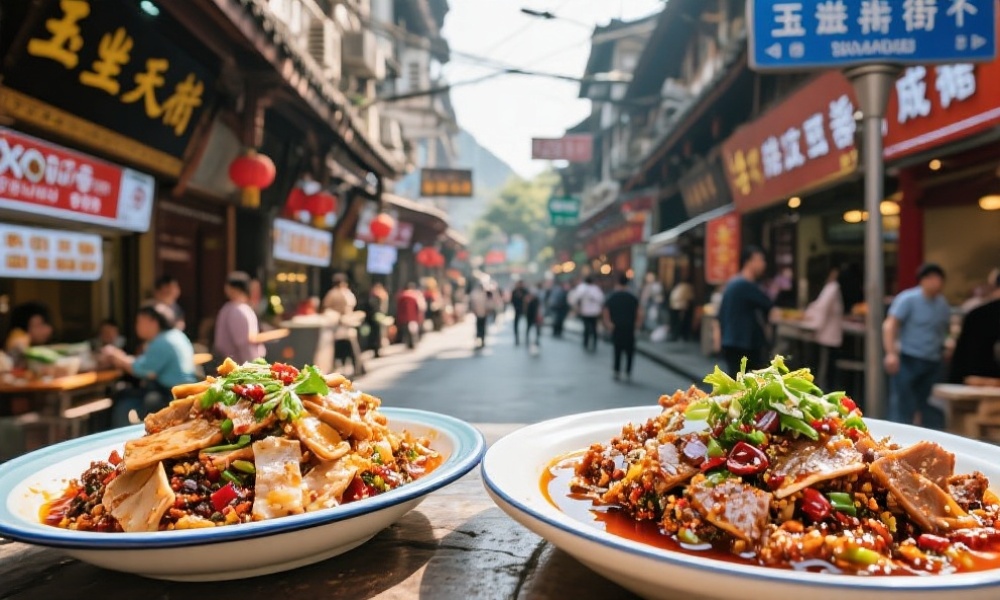
Chengdu, designated a UNESCO City of Gastronomy, boasts a unique Sichuan cuisine system and a rich snack culture, making it a dream destination for countless food lovers. This column will systematically outline Chengdu's culinary landscape, helping you accurately locate authentic delicacies and avoid consumer pitfalls.
Must-try signature dishes list
When exploring Chengdu, the following classic dishes and snacks are a must-try culinary experience:
- Mapo Tofu: Made primarily with tofu, accompanied by minced beef, broad bean paste, Sichuan peppercorns, etc., it is characterized by its numbing, spicy, hot, fragrant, crispy, tender, fresh, and vibrant flavors, making it a representative dish of Sichuan cuisine.
- Husband and Wife Lung Slices: Selected beef heart, beef tongue, beef tripe, beef, etc., are braised and then sliced, and drizzled with special red oil, crushed peanuts, cilantro and other seasonings. It is spicy, fresh and fragrant, with distinct layers and a complex taste.
- Dan Dan Noodles: The noodles are thin and smooth, the meat sauce is crispy and fragrant, and it is served with chili oil, vinegar, minced garlic, pickled mustard greens, crushed peanuts, etc. After mixing it well, you can eat it. It is spicy, fragrant and slightly sweet, and the noodles are chewy.
- Longchaoshou: Thin skin and large filling, shaped like a crescent moon. The soup base comes in various forms, including clear soup, red oil, and chicken soup. The clear soup is delicious, the red oil is spicy, and the skin is smooth and the filling is tender.
- Zhong Dumplings: Unlike northern dumplings, Zhong dumplings are made with all pork filling and no vegetables. After being cooked, they are drizzled with special red oil, minced garlic, and sweet soy sauce, creating a sweet, salty, spicy, and numbing flavor that lingers on the palate.
- Chuan Chuan Xiang/Mao Cai: Both are "hot pot for one person," where various ingredients are cooked in a spicy broth. Chuan Chuan Xiang is served on bamboo skewers, while Mao Cai is served directly in a bowl. With a rich variety of ingredients and a spicy and fragrant flavor, it is an excellent choice to experience the local taste of Chengdu.
- Sweet Water Noodles: The noodles are thick and chewy, and are drizzled with chili oil, soy sauce, crushed peanuts, minced garlic and other seasonings. The combination of sweet and spicy flavors creates an irresistible aroma, making it one of Chengdu's signature snacks.
- Guokui: There are different types of guokui, such as white flour guokui and Juntun guokui. The outer crust is crispy and the filling is savory. Most of them are filled with pork or beef. They are baked and eaten immediately, and the aroma is irresistible.
Local favorites for food
To experience the most authentic Chengdu flavors, you should venture into the neighborhoods frequented by locals and avoid overly commercialized tourist areas:
- Jianshe Road: Famous for its night market snacks, with all kinds of barbecue and snack stalls gathered together, full of lively atmosphere, it is the first choice for young people and local residents to have a late-night snack.
- Yulin Road: Widely known because of Zhao Lei's songs, but its culinary heritage is even deeper. It's home to numerous small, unassuming eateries and unique taverns, making it an excellent place to experience the culinary culture of old Chengdu.
- Kuixinglou Street: A street that combines art and traditional cuisine, featuring creative fusion dishes, authentic Sichuan restaurants, and specialty snacks, perfect for strolling and eating.
- Xiangheli: A typical community-style food street, hiding many family-run hot pot, skewers and home-style restaurants, with authentic taste and affordable prices.
- Wangping Street/Xiangxiang Lane: A newly emerging food street in recent years, it blends traditional Sichuan cuisine with modern dining, and the environment is more design-oriented, but still retains some of the charm of old Chengdu.
Tips for avoiding overpriced and overpriced shops and tourist attractions
When exploring the food scene in Chengdu, it's crucial to avoid common pitfalls:
- Identifying Popular Restaurants: Some trendy restaurants prioritize marketing over taste, and excessive queues often don't stem from exceptional quality. It's recommended to focus on genuine reviews from local users on local food platforms (such as Dianping and Xiaohongshu) rather than simply chasing trends. If a restaurant's decor is overly extravagant or excessively emphasizes "Instagrammable" appeal, its food is unlikely to meet expectations.
- Tourist area premium: Restaurants in popular tourist areas such as Kuanzhai Alley, Jinli, and Chunxi Road generally have high prices and mediocre taste. It is recommended to choose restaurants in surrounding communities or old towns after visiting the scenic spots, which will provide better value for money and a more authentic experience.
- Tips for choosing a restaurant: Observe the clientele; restaurants with a large number of locals are generally more trustworthy. Be wary of menu prices that are significantly higher than similar restaurants. Consider avoiding restaurants that over-market or have unusually long queues.
- Practical advice: Make good use of map apps to search for "established brands", "small hole-in-the-wall restaurants" or "local recommendations", or ask local residents directly. You will often discover unexpected delicacies.
Hopefully, this guide will help you navigate your culinary journey in Chengdu smoothly. Slow down and use your taste buds to experience the city's unique charm and vibrant atmosphere.