
These 7 Beijing Restaurants: A Local Must-Have List I Compiled After Three Trips (Not Popular Brands)
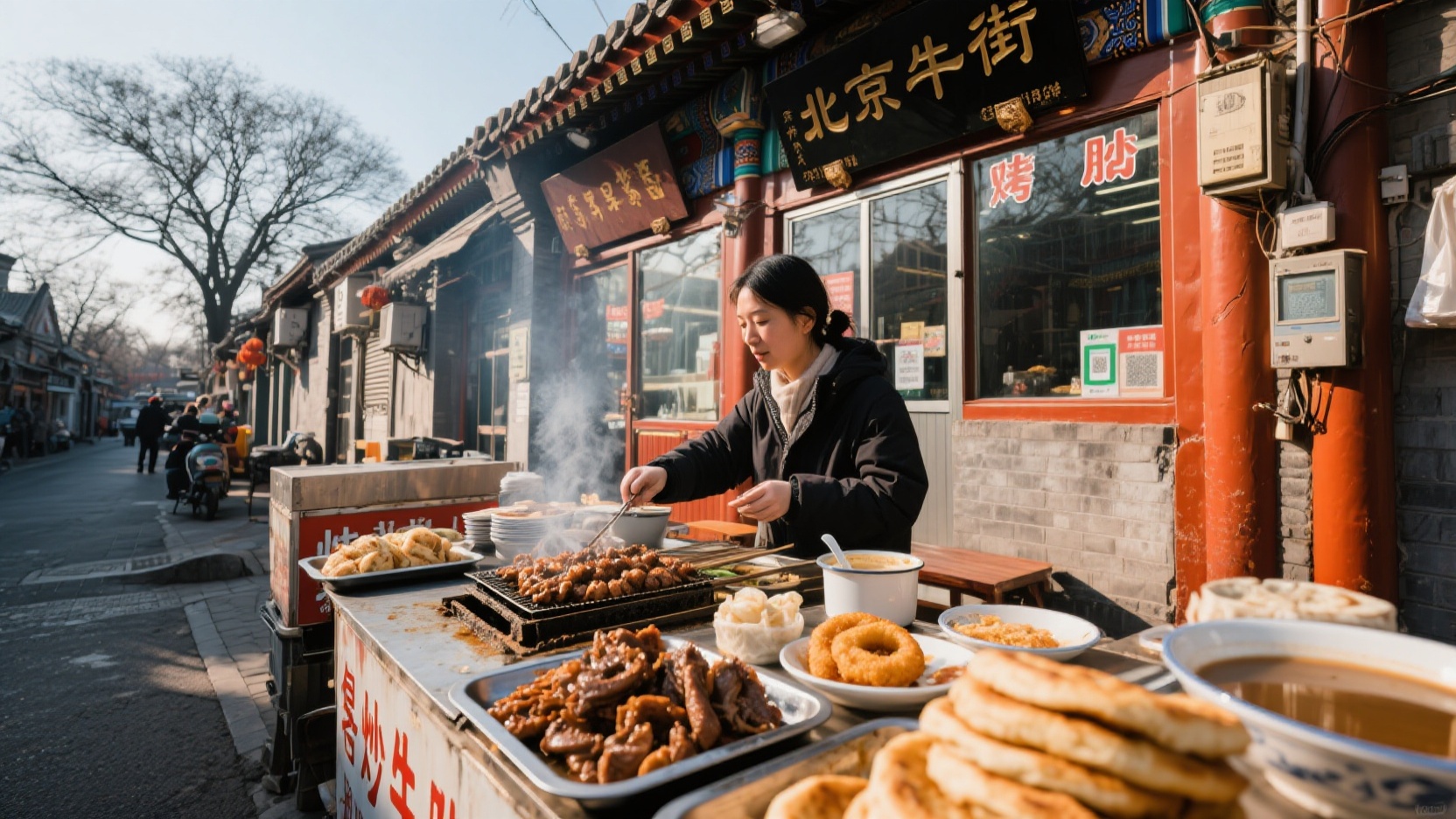
After three trips to Beijing, I compiled this list of restaurants from meals with local friends. None of them were on the must-eat list, and some didn't even have a proper storefront. I went twice in vain the first time, the second time I happened to catch a street vendor who only accepted cash, and it wasn't until the third time that I finally managed to try all seven. The following list is organized by area and is suitable for those willing to venture into the hutongs for a taste of old-fashioned flavors.
Two breakfast powerhouses in southern Chongqing: Zhao's Fried Liver from Shazikou and Guo's Sausage from Tianqiao.
Zhao's Fried Liver on Shazikou Xiejie Street has an old storefront that's easy to miss, but it's a neighborhood breakfast spot where locals bring their pots to buy their food. The fried liver here has a glossy, not watery, sauce; the garlic flavor is pungent but not bitter; the intestines are cleaned thoroughly; and the liver slices are generously portioned. Their signature dish is a small bowl of fried liver with a two-ounce pork and scallion bun; the bun is meant to be dipped in the fried liver sauce. Don't just order the fried liver; the shop's pickled vegetable shreds and millet porridge can help cut through the richness.
Walking from Shazikou towards Tianqiao, you can find Guo Ji Fried Sausage at the alley entrance in the evening. This place follows the typical roadside stall logic: a pot of hot oil, a portion of sweet potato starch dough, freshly sliced and fried. The sausage is sliced using a "spinning knife," resulting in a crispy outer edge and a soft, chewy center; the soul of the dish is the garlic-infused brine. When ordering, simply say "extra garlic sauce," and eat it while it's hot. You can also take a stroll in Yongdingmen Park nearby, and occasionally you can find freshly made sesame paste sugar pancakes in the alleys around Tianqiao, perfect for takeout.
Two bowls of meat deep in the alley: roasted meat under the big locust tree and meat pies nailed to Baorui Gate.
Hidden in a hutong on Meishuguan East Street is the Big Locust Tree Barbecue Restaurant. The tables are low, the charcoal grills are small iron plates, and in summer, the fans hum. Here you'll find the traditional grilled meat from Beijing, the kind you'd find in shopping malls. The beef and pork belly are marinated beforehand with scallions, ginger, and cilantro; just flip them a couple of times when they change color, and you can take them away. Their signature dish is beef, tender yet juicy. A hidden gem is to finish with fried mantou slices stuffed with stinky tofu—crispy on the outside, pungent on the inside—paired with an ice-cold Beibingyang soda. After your meal, head to the National Art Museum of China for an exhibition. Don't miss the porcelain jar yogurt from the convenience store at the hutong entrance; its sourness is more natural than what you'd find at the museum.
Baorui Mending Roubing (meat pie) on Dongsi Liutiao has a small storefront, but during mealtimes, the place is filled with the sound of slurping. The meat pies are large, with a thin crust and a crispy bottom; the broth bursts out when you bite into them. The first time I went, I greedily ordered five, and ended up burning my upper palate. The correct way to eat them is to take a small bite first, sip out half the broth, then dip them in vinegar and eat them with millet porridge. You can also visit the Dongsi Hutong Museum nearby; afterwards, you can buy some old Beijing fried dough twists or sugar-coated fried dough sticks to take away.
Lamb spine hotpot at the south gate of the Temple of Heaven and fermented mung bean juice on Niujie Street: the flavors of the neighborhood in autumn, winter, and early morning.
Manpengxuan, near the South Gate of the Temple of Heaven, was a place my local friend dragged me to when I went to the Temple of Heaven in the autumn to photograph the ginkgo trees. The lamb spine stew was so tender it practically fell off the bone, and the broth didn't have an overpowering herbal taste; the aroma of the meat and the sauce were more prominent. Ordering the "premium mini-pot" was enough for two people; we ate the meat first, then added cabbage and pulled noodles. It cost around 100 yuan per person, great value for money. If you're on your way to digest, you can stop by the Temple of Heaven Park nearby. The small shops near the South Gate often sell Beijing porcelain yogurt in jars; you can return the jars after you finish your drink.
Baoji Douzhi Shop in Niujie Shuru Hutong isn't one of the tourist hotspots; it's a local spot where people buy raw douzhi, fried dough rings, and pickled vegetable shreds. If you go in the morning, you'll see elderly people carrying bags to get their douzhi. If you want it ready-made, go early; buying it at home and making it yourself will give you a richer flavor. On the way, you can also buy sugar-coated fruit rolls and fried pork in Shuru Hutong—these are traditional halal flavors that you can easily steam at home.
Memories of cold noodles in Xisi: Huatian Yanji Restaurant
For Beijing kids, summer stomachs are partly filled with cold noodles. Huatian Yanji Restaurant in Xisi serves cold noodles with a sweet and sour broth and icy bits, the noodles chewy but not hard. Their signature dish is "a bowl of cold noodles with spicy beef," the spicy beef ordered separately, shredded evenly and becoming more fragrant with each chew. This restaurant doesn't use fancy toppings; it's all about the classic flavor.
Many first-timers only order cold noodles, but spicy beef and mixed bellflower root are the usual choices for regulars. On the way, you can visit the Xisi Xinhua Bookstore or Guangji Temple. Afterwards, you can buy some bean buns or sugar-coated sesame cakes from Liuquanju for breakfast the next day. This area is perfect for an afternoon stroll; after eating cold noodles, you can cycle to Beihai Park for a refreshing escape from the heat.
Blogger's summary: The correct way to use these seven companies
None of these seven shops are good at marketing, so don't expect much from their service or ambiance. Avoid peak meal times; for example, try to go before 9 AM for Chao Gan Zhao, or when Guo Ji Guan Chang (a type of sausage) has just opened, and avoid the 12 PM to 1 PM peak at Da Huai Shu. Many older shops only accept cash or prioritize cash, so carrying some small change can prevent awkward situations.
First tip to avoid these pitfalls: Don't queue during peak meal times, especially at Dahuaishu and Baorui. Arriving before 11:30 AM on weekdays is the safest bet. Second tip: Don't just order the signature dishes; Chaogan Zhao's steamed buns, Manpengxuan's hand-pulled noodles, and Yanji's spicy beef are bonus items. Third tip: Remember to bring cash, as these surrounding stalls and some older shops don't accept mobile payments. Finally, a reminder: don't drive when exploring the alleyways; walking or using a shared bike is the most convenient.