
The Flavors of Beijing in the Market | 9 Authentic Local Delicacies from Niujie Hutongs That Locals Repeatedly Buy
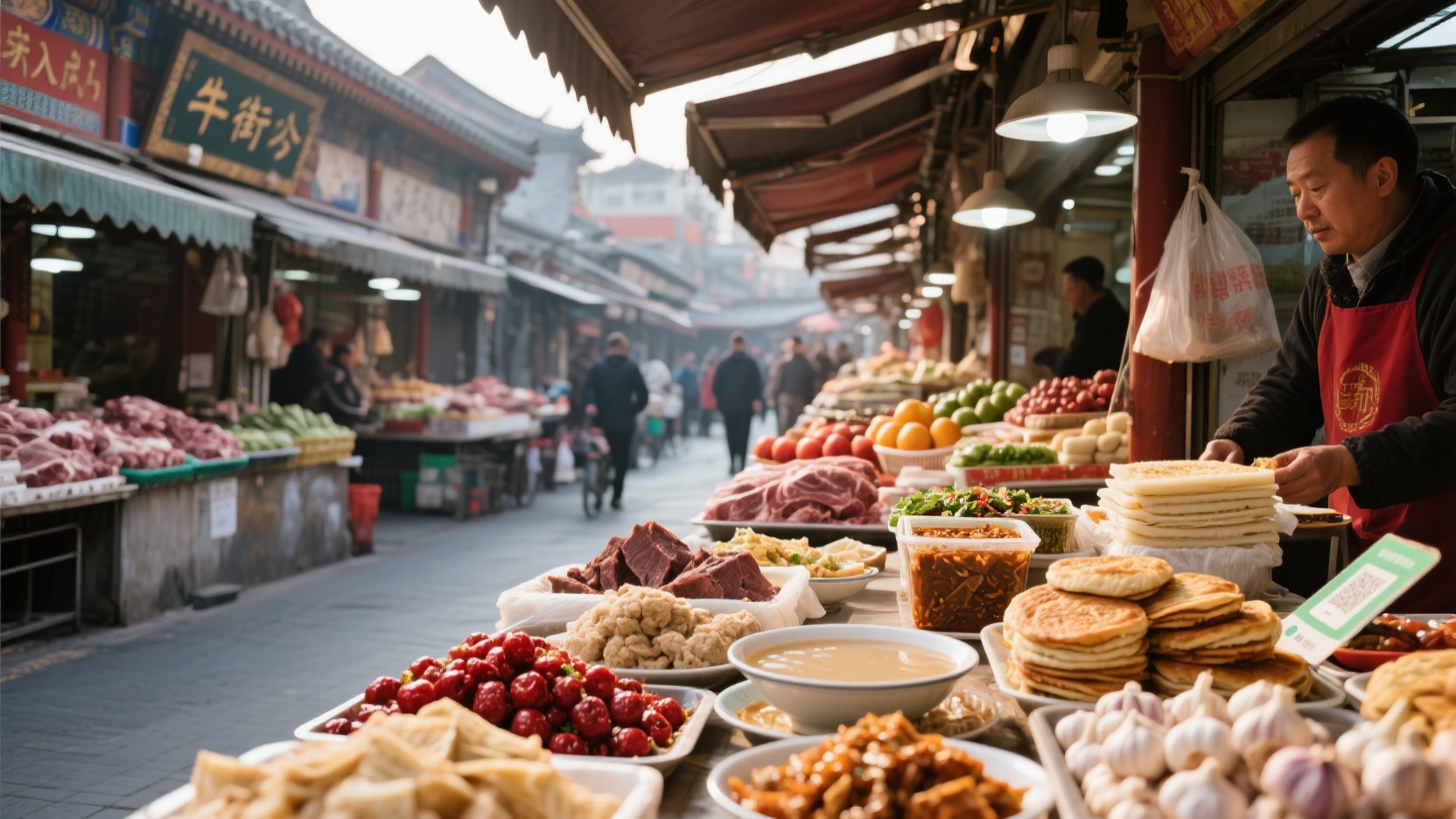
Hidden within Beijing's wet markets are everyday flavors that chain restaurants can't replicate. Niujie Rushu Hutong in the southern part of the city, along with the adjacent Niujie Halal Beef and Mutton Market, is one of Beijing's best-preserved and most vibrant wet market areas. Here, you don't rely on fancy signs to attract customers, but rather on the long-term loyalty of local residents. Below, we've compiled nine authentic local specialties worth taking home or enjoying on the spot, arranged by stall layout.
1. Braised Beef and Boiled Sheep's Head: The Two Heroes of Cold Dishes at Delicatessens
The braised beef at Niujie cooked food stalls is mostly made from the fore shank, with evenly distributed muscle and tendon, and a non-sticky, dark brown surface. When selecting beef, look for cut surfaces that don't fall apart, clear marbling, and a fragrant aroma rather than a sour one. It's recommended to slice it thinly and sandwich it with freshly baked sesame seed cakes, or serve it as a cold appetizer with a couple of ounces of baijiu (Chinese liquor). For boiled mutton head, look for the skill in slicing; the skin and meat should be intact, and the thinner the slices, the better. Dipped in Sichuan peppercorn salt, it's crisp, tender, and not gamey.
II. Soybean Milk and Fermented Tofu: Introduction and Advanced Levels of Fermented Flavors
Douzhi (fermented mung bean juice) stalls are usually located next to jiaoquan (fried dough rings) and spicy pickled vegetables. Before buying douzhi, shake it well and choose one that is grayish-white with a slight green tinge, and has a fermented, sour aroma that isn't pungent. For first-timers, a small cup is recommended, served with jiaoquan and pickled vegetable shreds, and sipped slowly while it's hot. Ma doufu (fermented bean curd) is a byproduct of douzhi; choose one that is grayish-green, moderately moist, and contains a few small pieces of soybean residue. At home, stir-fry it with mutton fat or vegetable oil, along with pickled mustard greens and green beans until thoroughly cooked, and drizzle with chili oil before serving. It's a hidden side dish for locals, often served with rice or noodles.
III. Handmade Rice Cake and Steamed Rice Cake: Soft and Glutinous Layers in Sweet Staple Foods
Niujie rice cakes are categorized by the type of rice used: yellow millet, glutinous rice, and purple rice. The filling of red bean paste is usually homemade. When choosing a rice cake, check if the cut surface is moist but not watery, and if the red bean paste is distinct and not overly sweet. Zenggao (steamed glutinous rice cake) is made by steaming layers of glutinous rice and red dates until thoroughly cooked. The date paste should be naturally integrated into the rice layers and should not have a caramelized color. Both types are recommended to be eaten on the same day, accompanied by unsweetened hot tea to avoid being too sweet.
IV. Sugar-coated Baked Buns and Sesame Seed Cakes: The staple foods with the aroma of sesame paste.
Choose sugar-coated sesame cakes that are dark brown, with a glossy but not burnt surface. When broken open, the sesame paste layer should be even, and the taste should have a slightly bitter yet sweet sesame aroma. They are best enjoyed cold rather than hot. For sesame paste flatbreads, select those with intact sesame seeds on the surface, that are elastic when pressed, and that have many layers when broken open. Before eating at home, lightly toast them in a pan or oven at a low temperature until crispy on the outside and soft on the inside. They are perfect for layering with braised beef or pickled vegetables.
V. Crispy Fried Snacks and Fried Dough Sticks: Judging the Crispness
Gezhihe (a type of fried dough) is made from mung bean flour and turns light golden brown after deep-frying. When selecting, gently break a single piece; it should make a crisp snapping sound, and the broken surface should not stick together. The same applies to paicha (another type of fried dough). If the color is too dark, the oil temperature may be too high or the oil may have been reused. Both are recommended to be eaten on the same day. If they become damp, they can be reheated at a low temperature for five minutes to restore their crispness.
6. Pickled garlic and pickled vegetables: staples for cutting through greasiness and accompanying porridge.
Choose garlic with clean white skin, firm cloves, and a clear, unclouded sweet and sour sauce. Break off a clove and taste it; it should be sweet, sour, and crisp, without the pungent smell of raw garlic. For pickled vegetables, pickled mustard greens, pickled savory sauce, and pickled cucumbers from the condiment stall, select those with an even color, not sticky to the touch, and not dripping with sauce. At home, use clean chopsticks to take them out, refrigerate, and enjoy them with millet porridge or beef/lamb meat to cut through the richness.
7. Stir-fried hawthorn berries and hawthorn cake: A sweet and sour appetizer to finish the meal.
For stir-fried hawthorn berries, choose berries that are whole, with thick, clear syrup that isn't cloyingly sweet. For hawthorn cake, choose a firmer variety with a smooth surface and no white sugar crystals. Both are best enjoyed chilled in small bites, as an appetizer before meals or a refreshing aftertaste. When serving to the elderly or children, be sure to remove the pits.
8. Fresh beef and mutton: the core transaction in the wet market
The beef and mutton stalls are concentrated in Niujie, with peak trading hours from early morning to noon. When choosing meat, look at its color: beef should be bright red and glossy, while mutton should be rose-red with white or pale yellow fat; it should spring back quickly when pressed with a finger and have a slightly dry, non-sticky surface. For hot pot, choose lamb chuck and beef tenderloin; for stewing, choose beef brisket and lamb brisket. The stall owner can cut the meat for you; just explain your intended use beforehand.
9. Seasonal Fruits: Change with the Colors at the Stalls
Beijing's local fruits are highly seasonal. In late summer, choose Beijing white pears, Kubo peaches, and Muscat grapes; in autumn, choose persimmons and hawthorns. For Beijing white pears, choose those with fresh stems and natural bloom on the skin; for Kubo peaches, smell the aroma and choose those with slightly soft, unblemished tips; for Muscat grapes, look for intact bloom and firm berries. For persimmons, choose those that are moderately firm; firm persimmons should be slightly mushy.
Visiting a local market is the best way to experience a city. There are no standardized menus or photo booths; the slices of braised beef, the tangy aroma of fermented mung bean juice, and the crunch of pickled garlic are all authentic glimpses into the daily lives of Beijingers. It's recommended to go on an empty stomach one morning, buy a variety of items, and sample as you stroll. Bring home some room-temperature preserved treats like sugar-coated sesame cakes, pickles, and hawthorn cakes as souvenirs—they offer a more authentic taste of Beijing than chain stores.