
Don't crowd into Tengwang Pavilion in Nanchang | Local's firsthand experience: 4-day trip with free admission, featuring markets, universities, old factories, and alleyways – don't be fooled by travel
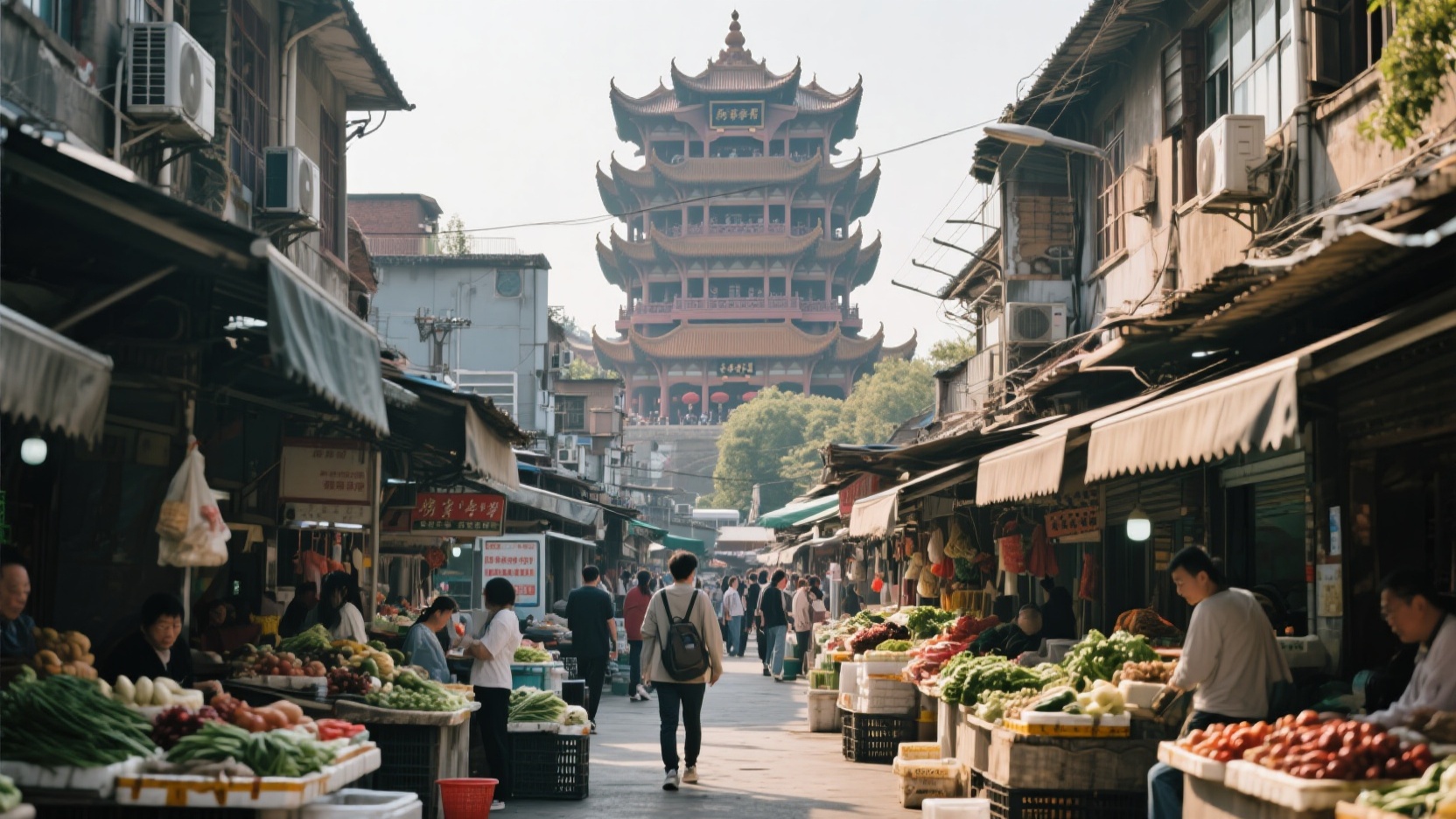
If you come to Nanchang and only focus on the few dozen yuan entrance fee to Tengwang Pavilion and the queue for photos, I have to say something that might offend people: you're visiting a "Nanchang theme park," not Nanchang itself.
Having lived in Nanchang for over five years and traveled there and back more than twenty times, I've come to realize more and more that the true essence of this city is hidden in places that cost nothing—the shouts of vendors in the market, the smoky aroma of cooking pots in the backstreets of the university, the red brick walls of old factories, and the wind blowing through the clotheslines in the old alleys. The following four-day itinerary, without spending a single penny on entrance fees, and utilizing both public transportation and walking, is perfect for a leisurely solo exploration.
Day 1: Community Market Day, starting with a bowl of mixed noodles
In Nanchang, the mornings aren't about tourist attractions, but about the rice noodle stalls outside the markets. I recommend arriving at the indoor markets in the old city around 7:30 am, such as the morning markets near Dunzitang or Ximazhuang. No need for a map; just follow the elderly people carrying shopping baskets.
The sounds of bargaining in Nanchang dialect, chopping meat, and the aroma of pickled vegetables in the market are more authentic than any tourist attraction performance. Spend a few yuan on a bowl of cold rice noodles with a clay pot soup, and buy two white sugar cakes to eat while walking. You'll suddenly understand why Nanchang people always say "I've eaten my fill."
Don't treat the market like a photo op; take your time. Watch how the aunties in the seafood section skillfully prepare a mandarin fish with just three cuts, or see the dried goods vendors categorize chili powder into three grades for packaging. These everyday experiences are free, but they're more engaging than any audio guide. If you get tired, sit for a while in the small park next to the market and listen to the old men playing chess in their Nanchang dialect—it's funnier than any stand-up comedy routine.
Day 2: University area day, the back street is the cafeteria.
The back streets of universities in Nanchang are a "free-range food museum" that is seriously underestimated by tourists. Take the subway or bus to the area around Yaohu Campus of Jiangxi Normal University, or the back streets of Qianhu Campus of Nanchang University, go during mealtimes, and follow the students in line; you can't go wrong.
The fried food, boiled food, Qianshan rice noodles, and beef bone noodles here are mostly sold by husband-and-wife stalls that have been open for over ten years. The prices are so low that local students eat here every day. It's the most cost-effective option for one person. Order small portions of everything, and you can walk down the street for the price of a cheap lunch, which is much better than being ripped off by "tourist prices" at the food street.
In the afternoon, you can sit for a while in the old library or public teaching building of the university. Many campuses are open to the public and do not check IDs. As long as you don't disturb classes, you can experience the real pace of life for young people in Nanchang. If it happens to be graduation season, many stalls selling secondhand books and items will pop up in the backstreets, where you can find glimpses of the local students' youth.
Day 3: Old Industrial Zone Renovation Day – Finding Nanchang Within Red Brick Walls
Nanchang has a number of cultural and creative parks converted from old factories. They are almost deserted during weekdays, making them perfect for wandering around alone. Go to Zhangshulin or 699 Cultural and Creative Park and pay attention to the old slogans, old boilers, and freight ramps that haven't been renovated. These are the remnants of Nanchang's industrial memory.
These parks don't charge admission, but they have more character than many paid "old streets." You can spend an afternoon watching a free small exhibition, or browse local chronicles in a bookstore converted from an old factory, and when you get tired, just sit on a bench at the factory entrance and daydream.
Don't rush to take photos and leave. Look for the still-operating courier points, convenience stores, and tailor shops in the park. The remaining sense of everyday life in the renovated area is why locals don't consider it a "trendy" spot. When leaving in the evening, stop by the intersection of a nearby old residential area to buy some freshly baked scallion pancakes. The flavor that comes from years of experience is the most authentic.
Day 4: Old Town Alleyway Day - Getting lost is more useful than using GPS.
On the last day, I'll leave myself to wander aimlessly. From Jewelry Street to Ribbon Street, and then into the alleys surrounding Ruzi Road, I won't use navigation; I'll just follow the clotheslines and bicycle bells. You'll pass old-fashioned barbershops, shoe repair stalls, old men writing couplets, and grandparents sitting in bamboo chairs basking in the sun.
Many of the old houses in the alleys still retain their wooden doors, courtyards, and moss. These "no-entrance-fee residences" are much more authentic than man-made ancient towns. If you happen to be there around lunchtime, just find a small restaurant with lots of locals sitting outside and order some stir-fried pork with water chestnuts or braised fish. It will only cost a few dozen yuan per person, and the taste is definitely better than the ones around the tourist attractions.
I recommend taking a stroll along the riverside promenade in the old city or the mudflats under the Bayi Bridge around 4 PM. It's free, and you can watch the sunset over the Gan River and see locals swimming. This is the most relaxing time in Nanchang. If you wish, you can sit there until dusk and watch the lights on both banks slowly come on; that's more worthwhile than any night cruise.
Why I advise you not to waste money on "Nanchang attractions"
Most of Nanchang's paid attractions are concentrated in historical landmarks, but the real life isn't there. Especially during holidays, you might queue for two hours, take five minutes to check off your photo, and all you'll remember is the crowds. On the other hand, the free markets, backstreets, old factories, and alleyways offer a Nanchang experience you can truly take with you.
The worst thing about traveling alone is being led by a tourist guide, as if you've wasted your trip if you don't visit certain attractions. Actually, if you save the money on entrance fees, eat more boiled dishes, take more buses, and chat with the vendors, the trip will be much more worthwhile. Nanchang doesn't rely on a ticket to prove you've been there; it relies on the taste of its rice noodles that you remember after you leave.
In closing: 6 hassle-free tips I didn't tell you, so don't ask the locals.
First, choose accommodation near the subway station in the old town, rather than around the tourist attractions. The prices will be more reasonable, and you'll be right next to alleyways and morning markets.
Secondly, Nanchang's buses and subways cover all the above locations, so you can just get a transportation card or scan a code to ride; there's no need to take a taxi.
Third, go to the farmers' market early in the morning to get the freshest produce; go to the area around universities during mealtimes, otherwise many stalls will be closed.
Fourth, when dining alone, you don't need to order elaborate dishes; you can enjoy small portions of noodles, rice noodles, boiled dishes, and fried dishes, saving money and providing a variety of options.
Fifth, use your phone's navigation as a reference, but learn to deliberately get lost in the alleys of the old city; often, a pleasant surprise awaits around every corner.
Sixth, avoid cultural and creative parks on weekends and holidays; go on weekday mornings, and you can practically rent out the entire factory.