
These 8 Kunming-exclusive flavors | A list of seasonal limited-edition items I compiled after four years of research based on the solar terms (personally tested to avoid pitfalls)
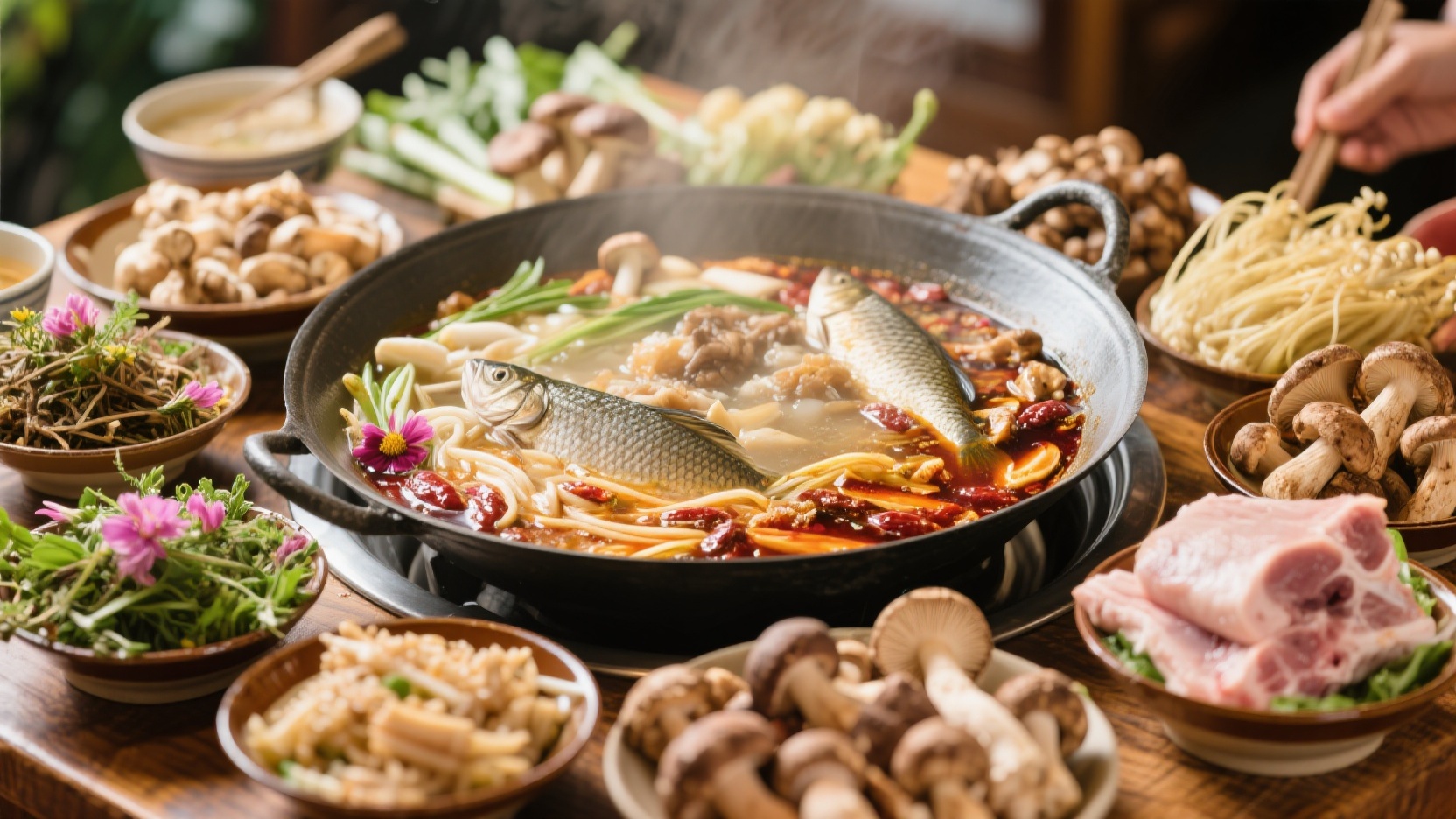
After eating at the wrong places in Kunming for three consecutive seasons, I finally understood one thing: the city's markets don't replenish their produce weekly, but rather according to the solar terms. The first summer, I went to a popular restaurant, only to find that the mushroom hot pot they served was mostly made with frozen mixed mushrooms. The second year, in mid-March, I wanted to try the golden privet mushrooms, but the market vendors said they were already sold out by locals. The third year, I simply followed the 24 solar terms to find all the limited-edition flavors that were only available at that time. The following list is for those willing to make a special trip just for a taste of freshness.
Springtime from Qingming to Guyu: Omelette with broom flowers, stir-fried pickled cabbage with pear blossoms.
In springtime in Kunming, the market entrances aren't lined with vegetables, but with baskets of wildflowers glistening with dew. Goldenrod flowers are at their best around the Qingming Festival, when the buds are firm and golden yellow; after Grain Rain, they easily become bitter and dry. Locals often coat them in egg wash and slowly pan-fry them with just a pinch of salt, savoring the delicate sweetness and eggy aroma—a true taste of spring. Be careful not to let the vendors mix the buds with withered blossoms; the fragrance of spent blooms is half gone.
At the same time of year, there are also pear blossoms. When freshly picked, they are so astringent they are inedible; they must be blanched and rinsed repeatedly before being stir-fried with pickled vegetables, a staple of Kunming cuisine. The fermented sourness of the pickled vegetables masks the slight bitterness of the wildflowers, leaving a subtle woody aftertaste. This dish appears frequently on the table around Qingming Festival, but after Grain Rain, it becomes hard to find in the market. I remember once visiting at the end of April, and only a small, wilted bunch remained. The auntie waved her hand and said, "It's not good anymore, come again next year."
Summer - Lesser Heat to the Beginning of Autumn: Wild Mushroom Hot Pot, Dried Mushroom Fried Rice
Summer in Kunming is written in rain. The first thorough rain around the time of the Lesser Heat (Xiaoshu) sets the locals' mushroom radar on high alert. The wild mushroom market is busiest around four or five in the morning, with piles of green-headed mushrooms, porcini, and termite mushrooms. Wild mushroom hot pot must be made with free-range chicken as a base. First, a bowl of clear broth is drunk, then the mushrooms are added in order of their cooking time, and they are only served chopsticks after they have been cooked for the full time—locals are very particular about timing their mushroom hot pot, and they don't take them out prematurely for the sake of taste. The fresh mushrooms you eat in Kunming during the rainy season are completely different from the frozen mushrooms available year-round.
As summer fades and autumn approaches, the dried mushroom reaches its peak. This mushroom, resembling dark brown coral, may look unassuming, but when torn into small pieces and stir-fried with lard and rice, its aroma can waft across half an alley. The dried mushroom's appeal lies in its dry, fragrant, and chewy texture. Locals typically add only green peppers and salt, never letting soy sauce overpower the flavor. I tried ordering dried mushroom fried rice outside the rainy season; the color was darker and the aroma less pronounced. Later, I realized that if it's been out of the ground for more than two days, it's a completely different story.
Autumn – From White Dew to Frost's Descent: Valley Flower Fish, Pearl Pear
The most easily missed delicacy in autumn is the rice paddy fish. Around Kunming, rice-fish farming reaches its peak flavor when the rice flowers bloom. The fish spend their days feeding on the fallen rice blossoms, resulting in a sweet and delicate texture. Around the time of the White Dew solar term, the rice is drained for harvest, and the fish are at their fattest and most delicious. This is a rare opportunity to enjoy true "rice paddy fish" for only about ten days a year. Locals prepare it in a rather rustic way: either slowly grilling it over charcoal with just salt and chili powder, or using it to make a soup with chili paste, resulting in a fresh, spicy flavor infused with the aroma of rice.
Alongside the Guhua fish, you'll also enjoy Baozhu pears, which ripen around the Mid-Autumn Festival. These pears have delicate white flesh and are incredibly juicy. Old Kunming tradition dictates eating pears without peeling them in the dry autumn air. The pears are cut into chunks with the skin on, stewed with rock sugar in a double boiler, resulting in a refreshing and non-greasy flavor. Some people also ferment the pears to make pear vinegar, which is excellent for dipping grilled meat or mixing with cold dishes. Visiting Kunming at this time of year, spending the day browsing orchards and picking pears, and then enjoying a pot of Guhua fish in the evening—that's how you truly experience the complete autumn flavor.
From Minor Snow to Winter Solstice: Lamb Soup Hot Pot, Pig Slaughter Feast
Once the Minor Snow solar term passes, the chill around Kunming truly seeps into the bones, and that's when steam begins to rise from the mutton soup pots lining the streets. Locally, black goat meat is often used, cut into chunks with the skin on and stewed until tender, resulting in a milky white broth with almost no gamey smell. When eating, you first drink the broth, then dip the mutton pieces in a chili sauce, accompanied by a side of pickled radish to cut through the richness. Around the Winter Solstice, the old shops are packed with locals, the air filled with the aroma of meat and spice—a scene more authentic than any tourist recommendation.
What's even more rare is the "pig-slaughtering feast," a seasonal event around the winter solstice, not a year-round restaurant menu. Farmers slaughter their pigs for the New Year on the winter solstice, using freshly slaughtered pig's blood to make sauerkraut and blood tofu, and stir-frying pig liver with pickled peppers over high heat before serving. There's also crispy fried pork and stewed ribs—all incredibly fresh and flavorful. To get your hands on this feast, you usually need a local friend to guide you, or you can try your luck in the surrounding villages and towns. The first time a friend dragged me there, I drank every last drop of the broth from the sauerkraut and blood tofu—a freshness that can't be replicated in city restaurants.
The blogger concludes: Kunming's true menu is hidden at the entrance of the farmers' market and in the 24 solar terms chart, not in the top three of the review lists. Eating according to the solar terms will give you a glimpse into the city's seasonal axis more than the average tourist. Practical Tips: 1. Spring flowers and wild vegetables must be available before Qingming Festival, as they are mostly out of season after Guyu (Grain Rain); 2. Summer mushrooms must be bought at local wild mushroom markets, avoid cheap frozen mushroom hot pots; 3. Autumn fish from Guhua are only available for two weeks around Bailu (White Dew), it's best to order in advance from nearby farms; 4. Winter pig-killing feasts are usually found with local guides, solo tourists are unlikely to encounter them; 5. Set aside a morning to visit the farmers' market for each season, saving you a lot of planning. Eating according to the solar terms is the right way to experience a city.