
The best food in Jiaxing is during the Winter Solstice, don't come during the Dragon Boat Festival! | Locals' firsthand experience: These 7 limited-time delicacies are a must-try, don't be fooled by t
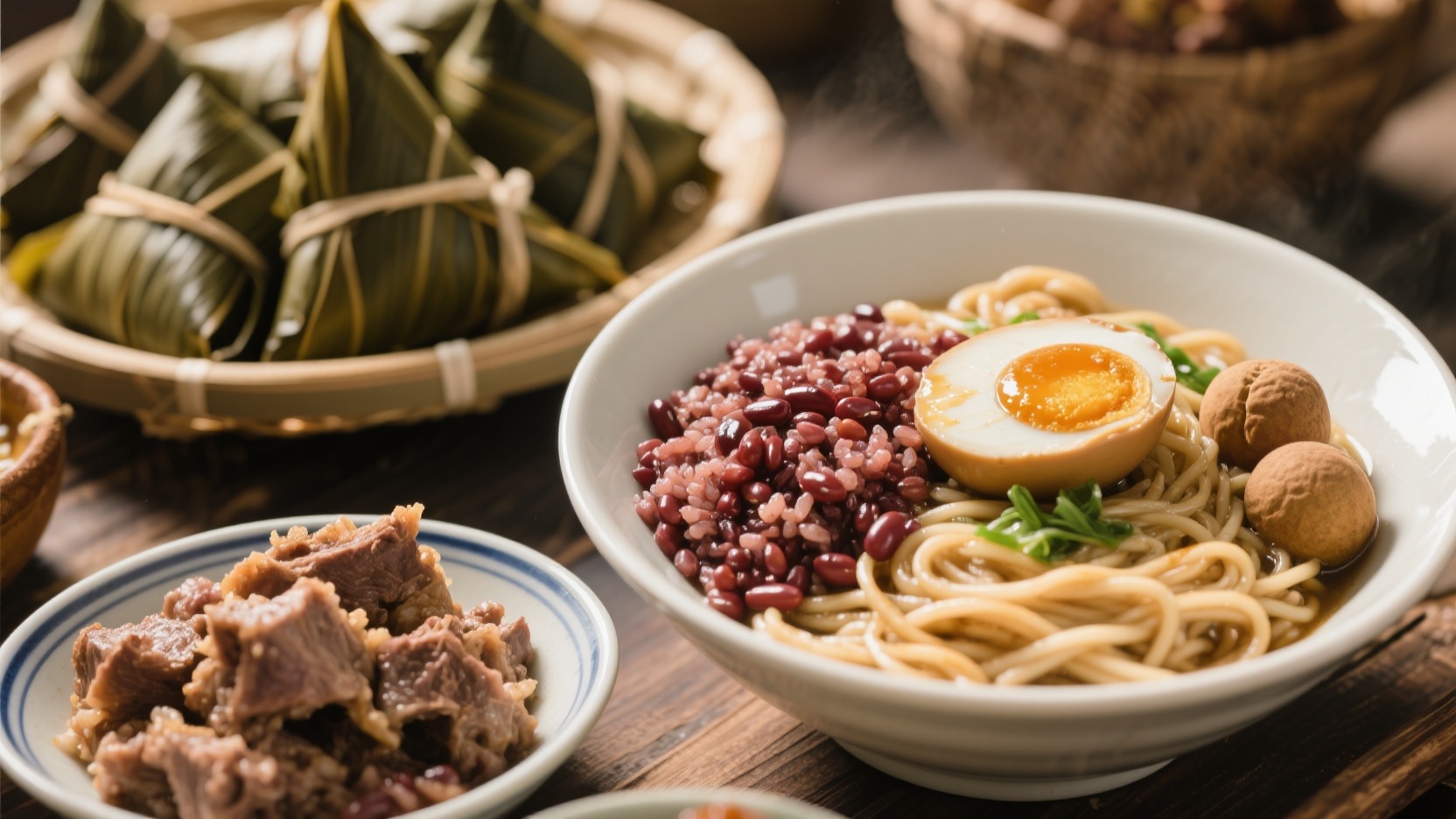
Those who come to Jiaxing to squeeze in zongzi during the Dragon Boat Festival probably haven't tasted the longan and egg stew on the Winter Solstice night—this isn't being pretentious, it's the locals' seasonal answer, voted by their stomachs.
Many travel guides describe Jiaxing as the "City of Zongzi" (sticky rice dumplings), as if there's nothing to eat after the Dragon Boat Festival. However, the locals see it quite the opposite: Jiaxing's most underrated food season is the ten days around the winter solstice. During this time, late-season rice, local red beans, lamb with skin, ginger, and radishes are at their best, family banquets are frequent, and the traditional street-side stoves are bustling with activity. If you eat four meals a day, you'll find that the Dragon Boat Festival zongzi is just the tip of the iceberg.
Breakfast: Red bean sticky rice; the sweet and savory camps have chosen the wrong side.
On the morning of the Winter Solstice, the kitchens in Jiaxing's old town are often filled with the aroma of red bean glutinous rice. This dish uses seasonal late-season glutinous rice and local red beans, which are soaked in advance and then simmered until the red bean paste seeps out slightly and the rice grains are glossy. It's not just breakfast, but also a base for nourishing the body before the Winter Solstice.
Locals have two distinct opinions on how to eat it: sweet and savory. The sweet version is served with lard and osmanthus sugar, amplifying the bean flavor with the oil; the savory version is paired with pickled vegetables, bamboo shoots, and fried dough sticks, the salty and savory flavor balancing the stickiness of the glutinous rice. The most common mistake outsiders make is asking "which one is the authentic one"—locals only care which side you're on. A bowl of light soy milk or seaweed and dried shrimp soup is the default way for the sweet version to cut through the richness.
Why is it only truly authentic on the Winter Solstice? New glutinous rice is harvested after the first frost, resulting in the perfect moisture content and stickiness; red beans cooked in cold weather are more likely to become mushy. Rice eaten around the Dragon Boat Festival uses aged rice, which is completely different.
Lunch: Tongxiang mutton noodles, not an autumn special, but a winter solstice special.
Many people believe that Jiaxing mutton noodles are best in autumn, but actually, their true peak comes around the winter solstice. After the first frost, the fat of the sheep tightens, and the meat with skin is fatty but not gamey, resulting in a richer broth. In Tongxiang and Xincheng areas, noodle shops start cooking at dawn, with mutton and offal simmering together in large iron pots, creating a bright red broth.
How do locals order? They simply walk in and say, "One bowl of mutton noodles with mutton offal, broth strong," then add garlic leaves and chili sauce themselves. First, take a sip of the mutton broth, then bite into a piece of mutton with the skin on, and finally slurp up the noodles. Add vinegar only after you've eaten half the noodles, otherwise the layers of flavor in the broth will dissipate. A good way to choose a restaurant is to go to the small shops near the market that are packed with locals before 10 am; they're much more reliable than the ones with long queues at the entrance of tourist attractions.
The price is only a few dozen yuan per person, but it is closer to the real body temperature of Jiaxing winter than many "intangible cultural heritage meals" that cost a hundred yuan or so.
Afternoon tea: Radish cakes with osmanthus sugar rice cakes, a sweet and savory treat from the old town.
Around the winter solstice, radish pancake stalls suddenly appear on the streets of Jiaxing. At this time, local radishes are at their sweetest and juiciest. After being shredded, pickled, and mixed into batter, they are deep-fried until golden brown. Biting into one in the cold wind reveals a piping hot interior with a crisp radish texture.
Locals typically enjoy a "salty and sweet" combination: first, eat radish cakes dipped in local chili sauce or vinegar; then, buy half a piece of osmanthus-flavored rice cake from a pastry stall, pan-fry it until golden brown on both sides, and sprinkle with osmanthus sugar. Radishes are considered "better than ginseng" for the Winter Solstice, believed to soothe and moisturize; rice cakes symbolize "rising higher each year," making it a traditional Jiaxing afternoon tea for the Winter Solstice. Avoid buying the cooled rice cakes from tourist areas; they're soft and lack the wok-fried aroma.
Late-night snack: Longan and omelet, the true star of the Winter Solstice night.
On the night of the Winter Solstice, the most earnest thing that families in Jiaxing cook is not the New Year's Eve dinner, but longan and egg stew. Dried longan, red dates, brown sugar, and ginger slices are simmered to make a sweet soup, and a whole egg is poached into it. Some families also add a small spoonful of fermented rice wine. This bowl is simmered from after dinner, and whoever is hungry can serve themselves.
An old saying goes, "On the winter solstice night, those with food eat all night, those without freeze all night." Longan nourishes blood and qi, eggs are filling, and brown sugar ginger soup warms you up in the latter half of the night. Locals prefer their eggs cooked until the outer layer is just set, then the yolk slowly melts into the soup when you break it open. Drink the soup first, then eat the longan flesh, and don't scramble the egg. Tourists from other places only follow the Dragon Boat Festival rice dumplings, unaware that this bowl is the true essence of Jiaxing's winter late-night eateries.
Bonus dishes: Braised lamb and bamboo shoot shumai, two hidden limited-edition items.
If you're staying in Jiaxing around the winter solstice, don't miss the braised lamb and bamboo shoot shumai. The braised lamb is like a "dry version" of lamb noodles; the lamb, skin on, is braised with old ginger, red dates, and Shaoxing wine until tender and juicy, with a rich, savory flavor and a sticky, gelatinous texture. It's not available every day; it sells best around the winter solstice.
Bamboo shoot shumai is a hidden menu item at breakfast stalls. It features diced winter bamboo shoots with fresh pork, a thin skin, and plenty of broth, and is only available from the winter solstice to before the Lunar New Year. Locals eat it carefully: first, they take a small bite to suck out the broth, then dip it in fragrant vinegar and chili oil, eating it one bite at a time. After this period, the bamboo shoot flavor is off, and no one makes the shumai anymore. These two items are even more "seasonally limited" than radish cakes; you eat them only when you see them.
In closing: Don't ask the locals if I didn't tell you.
First, avoid joining the festivities of the Dragon Boat Festival and May Day. Locals eat frozen zongzi during those days, while the Winter Solstice is the peak season for family gatherings.
Second, the temperature difference between day and night is large around the winter solstice. When eating longan and omelet, don't go to chain dessert shops in shopping malls. Look for small shops in old residential areas or near vegetable markets. The older the shop, the more reliable it is.
Third, don't blindly trust "old brands in scenic areas" when it comes to mutton noodles. Restaurants near Tongxiang and Xincheng vegetable markets that are full of locals before 10 a.m. are generally not bad.
Fourth, red bean glutinous rice comes in two flavors: sweet and savory. When ordering, just say "sweet" or "savory". Don't ask "is it authentic?" The locals will only listen to which side you're on.
5. Choose freshly fried radish cakes from stalls; reheated ones won't be crispy. If the stall also sells stinky tofu, you can have one of each, but stinky tofu isn't a winter solstice exclusive, so don't let that distract you from your main focus.