
Hohhot Seasonal Dishes | 8 Seasonal Dishes I Only Dare to Compile After 6 Years of Studying the Solar Terms (Personally Tested and Avoided)
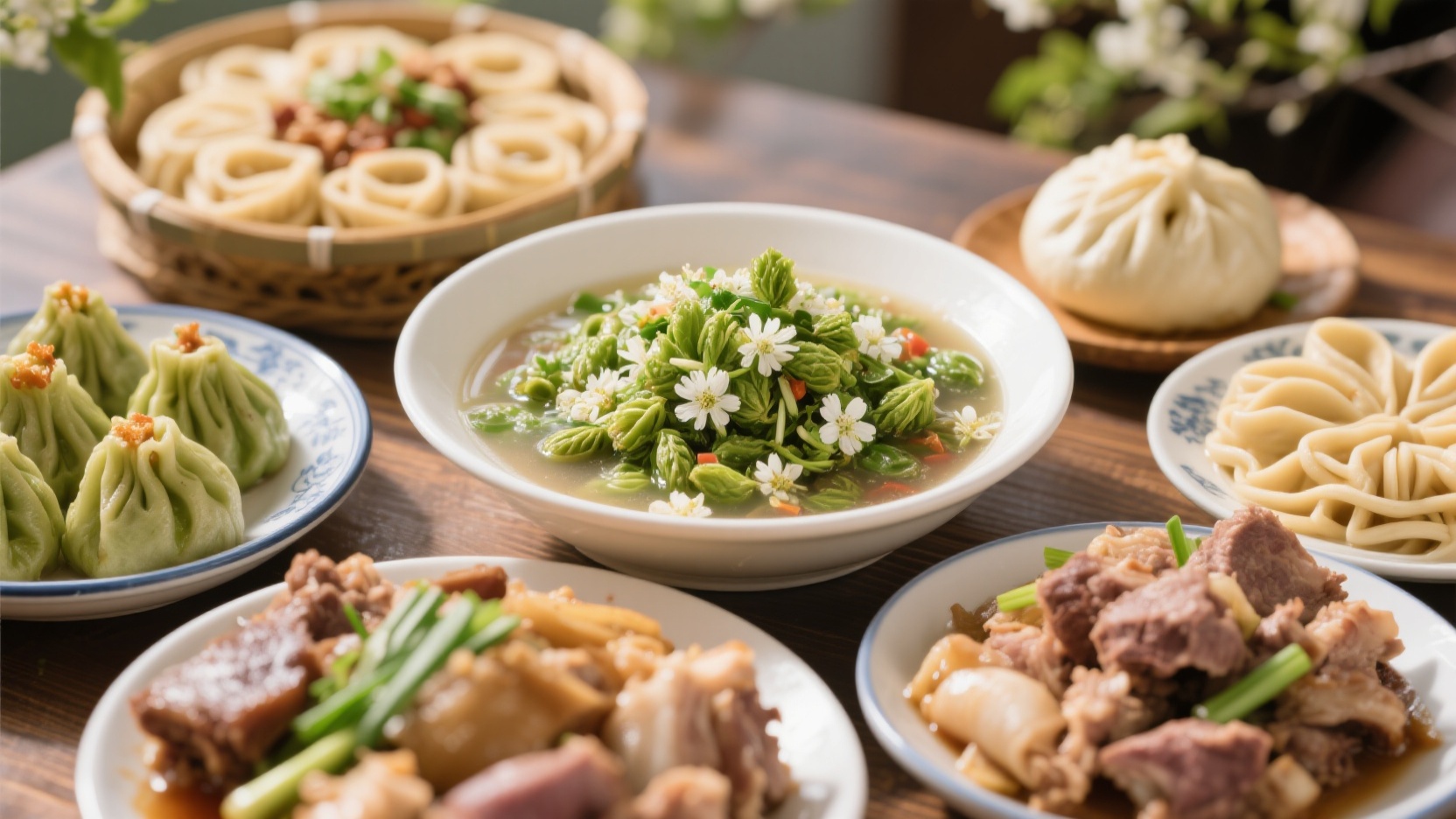
After my twelfth trip to Hohhot, I finally understood something: when eating in Hohhot, the menu isn't the most important thing; the calendar is. I once ate a basket of mutton shumai in a July afternoon, and mutton fat clung to my lips. It wasn't that the chef was bad; it was just the wrong season. Later, I followed a local friend and observed the seasonal changes for six years. These eight dishes below can only be truly delicious when eaten right at the right time of year.
I. From Qingming to Guyu: Elm seed puppets paired with the first batch of bitter herbs
Spring arrives late in Hohhot. The elm seeds only begin to swell around Qingming Festival, and can only be harvested for about ten days. At this time, the elm seeds are juicy, sweet, and sticky; after Grain Rain, they become dry and bitter. Locals mix the elm seeds into oat noodles, steam them, and then pour a spoonful of boiling hot raw sesame oil over them to release their aroma—this is called "Puppet." The point is to enjoy the natural sweetness of the elm seeds; don't overindulge in the sauce. It's more authentic with some pickled cabbage shreds and Tuoketuo County chili oil.
Walking further into the fields around the same time of year, the sow thistle is just sprouting with its red roots. People in Hohhot call it "bitter vegetable," and the first harvest is the most tender, with a clean, non-bitter taste. Once home, it's rinsed with cold water to remove its wildness, then squeezed into a ball and dipped in homemade soybean paste or pickled red vegetable paste. An old saying goes, "Eat bitter vegetables on Grain Rain, and you won't suffer from summer heat all year round." This bite captures the wildness of spring's tail end; after this week, the leaves mature and only a fibrous texture remains.
II. From Lesser Heat to the Beginning of Autumn: Zhameng flower soup and buckwheat jelly on the first day of the hottest period of summer.
After the rains on the grasslands in June, the Zhamengmeng flowers begin to sprout and bloom. The harvesting period is extremely short; once dried, they have a sharp aroma, resembling both wild onions and chive blossoms. Local families all keep some, but the freshly dried Zhamengmeng flowers are only used during the hot summer months. A pinch of flowers is added to a hot iron ladle of sesame oil with a sizzling sound, then poured into soup or oat noodles, bringing the whole dish to life. At this time of year, crops are growing rapidly, and people's appetites are often sluggish; it's this wild fragrance that lifts their spirits.
Around the beginning of the hottest period of summer (the first day of the hottest days of summer), vendors selling buckwheat jelly from pushcarts would appear in the old neighborhoods of Hohhot. The freshly ground buckwheat flour had a slightly bitter taste, and the resulting jelly was a pale yellow with a hint of green. Locals ate it in a rather peculiar way: without sesame paste, they only poured on a marinade, garlic water, and freshly fried chili pepper pieces, topped with a chopstick of pickled shallots. Only after finishing it, with a light sweat beading on their foreheads, could the sweltering heat of summer finally subside. Once the beginning of autumn (the start of autumn) passed, the jelly stalls gradually closed up shop, and eating it again felt like eating it the following year.
III. From White Dew to Frost's Descent: Freshly made oat noodles and mutton buns with scallions
After the White Dew solar term, the new oats in Wuchuan begin to be stored away, but they truly taste best around the time of Frost's Descent, when the new oat flour awakens its "green" aroma and becomes chewy. At this time, people make steamed oat cakes and shaped dough balls, filling the house with the fragrance of grains. Locals insist that the oat cakes be so thin they are translucent, steamed three times, and served with freshly stir-fried mutton sauce and fresh garlic. One bite reveals the sweetness of autumn sunshine; summer oat flour simply cannot match this chewiness.
From the Autumn Equinox to the Frost's Descent, the last batch of wild onions on the grasslands is at its most robust. These small wild onions only grow in sandy areas after rain. After the White Dew solar term, their stems and leaves are full of moisture, and when you break them, you can smell the pungent aroma of wild chives mixed with onions. Locals rush to harvest them before the first frost, mix them with fresh mutton to make filling, wrap them up and steam them on the spot, adding only salt and a little sesame oil, emphasizing that "the wild onions should not overpower the meat, and the meat should not suppress the wild onions." When you bite into a freshly steamed bun, the broth is full of the fresh, wild air of the grasslands in autumn; once the frost falls, the wild onions become tough.
IV. From Minor Snow to Laba Festival: Pork Stew and Fried Millet Cakes
After the first snowfall, rural areas begin slaughtering pigs for the New Year, the most solemn winter ceremony around Hohhot. With outdoor temperatures below freezing, the pork belly is perfectly cooked in the sauerkraut stew, because the sauerkraut, pickled to a crisp but not bitter consistency, has its fat solidified into a white broth that isn't cloying. Locals always eat the pig-slaughter stew with blood sausage and potatoes. The potatoes must be cooked until they absorb the broth, then dipped in minced garlic and soy sauce, emphasizing "sour vegetables, tender blood, and mealy potatoes." This stew only holds up well in cold weather; in warmer weather, the sauerkraut isn't fully pickled, and the meat's aroma dissipates.
In December, after the new harvest of millet, villagers grind it into flour and steam it into cakes. While still hot, they knead in sesame oil and then deep-fry them until the surface bubbles. This fried millet cake is not only a staple food in Hohhot, but also a symbol of seasonal events: it's served on the Kitchen God Festival, Laba Festival, and New Year's Eve. Freshly cooked cakes are dipped in white sugar, crispy on the outside and chewy on the inside, with sticky millet strands that can be pulled when bitten. Local elders will remind you, "The cake should be eaten hot; it's bad for your stomach and not as flavorful when cold," highlighting its winter-specific nature.
The biggest pitfall on this list isn't actually the shops, but the timing. Many traditional flavors in Hohhot don't require queuing, but you need to plan your visit according to the season. If you're only visiting once, try to avoid trendy recommendations that are out of season, and go by calendar to see if you can find the best deals.
Practical Tips: 1. In spring, get elm seed dumplings early; the best time is a week after Qingming Festival. It's best to ask the morning market in advance if they have elm seeds. 2. In summer, don't go to big restaurants for elm flower soup; small noodle shops near old neighborhoods are more willing to use fresh flowers. 3. In autumn, look for the words "Wuchuan Oat Noodles" for fresh oat noodles; they are at their most bouncy around the time of Frost's Descent. 4. Pork stew is often found in suburban farmhouses; after Minor Snow, find out if the pork was slaughtered that day. 5. Don't be greedy with all seasonal produce; eating the "first harvest" or "just picked" is enough.
Eating according to the seasons is the right way to experience a city.