
Traveling solo in Beijing without pitfalls: A firsthand safety guide for a 3-day, 2-night solo trip (including photo spots and ways to find travel buddies).
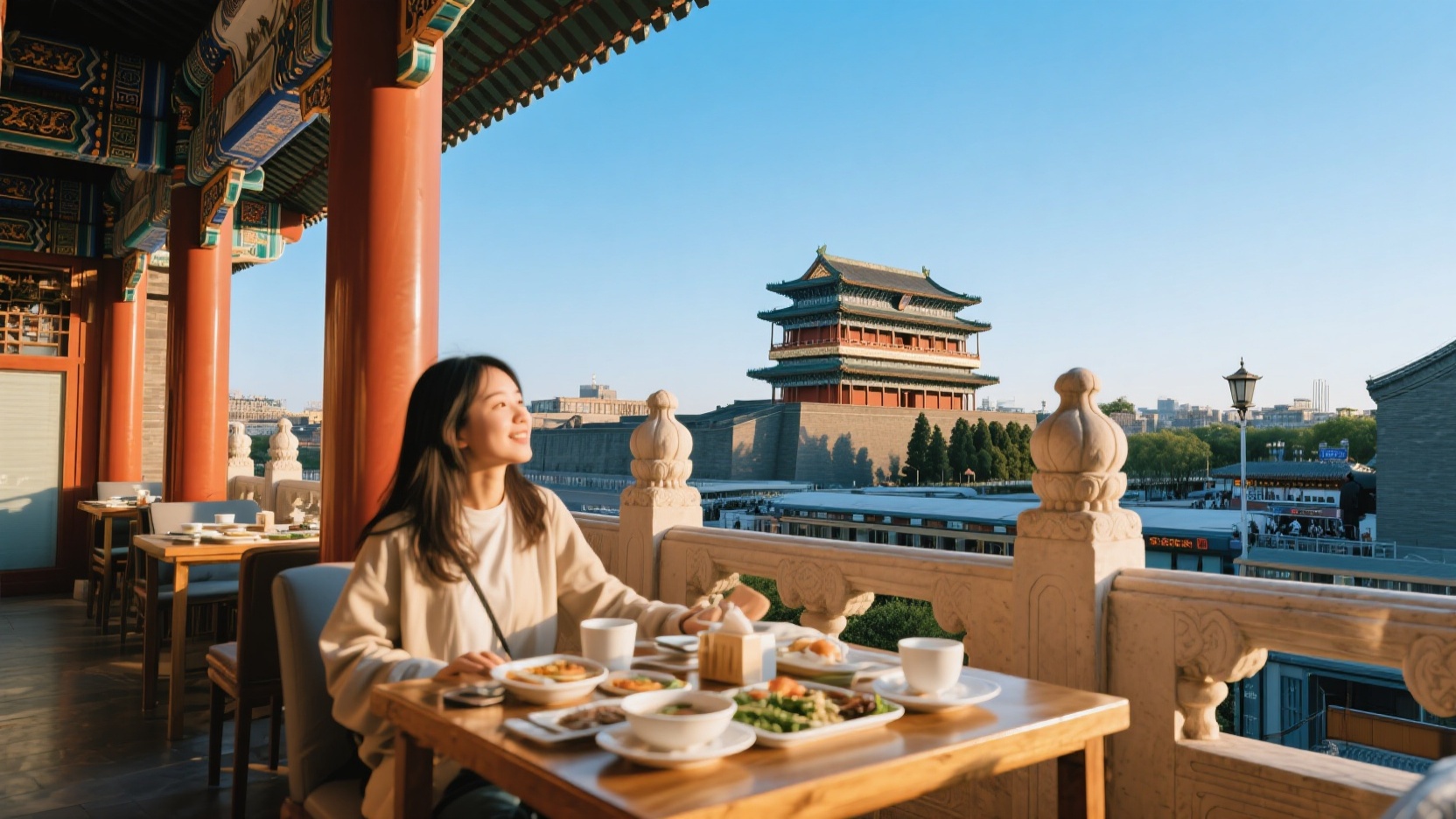
This is my third time traveling to Beijing alone. I booked a hotel near Dongsi and Beixinqiao. Even at 10 pm, when I came out of the subway station, I could still see brightly lit convenience stores and residents taking walks. This sense of security was incomparable to my previous two stays near Beijing West Railway Station. This post won't cover the usual tourist attractions; it will only record my personal experience of safe solo travel over three days and two nights.
Accommodation in safe areas: Prioritize "metro loop line residential areas" and avoid areas around stations.
When traveling alone in Beijing, accommodation is more important than sightseeing. While budget hotels around Beijing Railway Station, Beijing West Railway Station, and Beijing South Railway Station offer convenient transportation, they can be crowded with touts and unsavory characters at night, making it risky for solo travelers. A more reliable option is to choose a residential area along Metro Lines 2 or 5.
Dongsi, Beixinqiao, and Zhang Zizhong Road are the areas I most frequently stay in: Even after 10 PM, small supermarkets and restaurants still have their lights on on the main street, and the alleyways have good street lighting, so returning to the hotel doesn't feel like walking through deserted areas. The Liangmaqiao embassy district is suitable for those who prefer a quieter environment; the streets are wide, there are frequent night patrols, and there's a concentration of mid-range business hotels. The Xizhimen area has many chain hotels, making it suitable for those landing on late-night flights or heading to the Great Wall early the next morning.
A word of caution: Don't choose super-large residential areas like Tiantongyuan or Huilongguan just because they're cheap. At night, you'll have to walk a long, empty road after exiting the subway. During my stay in Beixinqiao, I encountered residents walking their dogs and convenience stores open late at night for all three nights, which gave me a real sense of security.
Dining alone is no longer awkward: the most comfortable restaurants are those where even locals share tables.
Eating alone in Beijing is completely stress-free. My most comfortable solo dining experiences are those neighborhood restaurants that offer individual hot pots, counter seating, or meals sold by weight. The old-fashioned mini hot pot restaurants commonly found in Beijing shopping malls offer individual pots and self-service condiments. You don't need to explain to the waiter that you're only dining alone; it costs only a few dozen yuan per person, making it the most stress-free option for solo travelers.
For a taste of local flavors, Huguosi Snack Shop is a top choice for breakfast: small portions of millet porridge, cream-filled fried cakes, and pea flour cakes are available. The shop is frequented by elderly people and nearby office workers, so sharing tables is common. Community dumpling restaurants in the Dongsi area sell by weight; ordering two ounces of dumplings with a bowl of soup is perfectly natural for one person. Japanese ramen shops near Beixinqiao usually have a counter, and even after 9 pm, there are still single diners; it's close to the hotel after your meal.
If you're traveling alone, it's not recommended to order a whole roast duck. Instead, opt for a Beijing restaurant that offers single-person set meals or half a duck with cold dishes. The crayfish restaurants on Guijie Street are better suited for two or three people. If you're traveling alone, you can take the food back to your hotel to enjoy at your leisure, but avoid staying out too late drinking at the late-night food stalls.
Taking photos without asking for help: These camera positions are inherently "tripper-friendly".
When traveling alone, the worst thing is setting up a tripod in crowded places. The locations I found this time either had a fixed surface for my phone or were in areas where the crowd was dispersed, allowing me to take my time shooting.
At the east entrance of Xizongbu Hutong, you can capture a shot of the old hutong houses alongside the China Zun building in the CBD. Before 10 AM, there's almost no one around, so you can easily place your phone on a shared bicycle basket. When taking a panoramic photo of the Forbidden City from Wanchun Pavilion in Jingshan Park, avoid crowding into the center. Instead, walk towards the west side of the railing, place your phone on a stone pillar, and use a Bluetooth shutter button to capture a clean sunset along the central axis.
The old buildings and streetscape of Dongjiaomin Lane are less crowded on weekday afternoons, making it ideal for tripods. The Shougang Park No. 3 Blast Furnace area has an open industrial feel, and the blues at dusk make it look like something out of a science fiction movie. The railings of the Liangma River night cruise walkway are stable, making it a good place to take photos of the river reflections and rest.
Reliable group buying and companion finding channels: Only those where you can see genuine reviews.
For solo travelers heading to the Great Wall or Shougang Park, carpooling can save time. My principle is to only look for small, all-inclusive tours with genuine single-person reviews, book through the platform, and avoid private transfers. Hostels in the Beixinqiao area often help arrange carpooling to Mutianyu and Jinshanling, as many guests are solo travelers, making it easy to find a group.
Urban walks are more suitable for solo travelers than traditional tour groups. Some bookstores and art galleries organize "night walks along the central axis" or "street tours of hutong architecture," attracting many photography enthusiasts and local young people who can help each other take photos. Hotel public spaces are also a way to find travel companions. I recently met two solo travelers at a breakfast table in a design hotel in Liangmahe, and we shared a taxi ride to Shougang Park.
Key pitfalls to avoid: Don't trust "Great Wall day tours" soliciting customers near Qianmen; these extremely low-priced tours often include shopping stops. Be wary of any private carpooling services that require "paying a deposit first and then paying the balance at the store," and never participate in any tours without a platform guarantee.
10 Safety Checklist for Solo Travelers: Suitable for both men and women; screenshots recommended.
1. Choose accommodations in residential areas along Metro Lines 2 and 5, and try to avoid areas around stations and very large residential areas after 10 PM. 2. Set up emergency contact speed dial on your phone, and send your itinerary for the next day to family or friends every night, sharing your real-time location. 3. Keep your ID card, bank cards, and a small amount of cash in two separate places, and choose a crossbody bag with the zipper facing forward.
4. When dining alone and leaving your seat to get condiments or go to the restroom, keep your phone and wallet with you and do not use your coat to reserve a seat. 5. Do not go to parties or share rides near Houhai or the Workers' Stadium at night, and directly refuse invitations from strangers to "free bars." 6. When taking a taxi, use the platform's automatic trip sharing feature, verify the license plate and driver information before getting in, and sit in the back seat late at night.
7. For remote attractions such as the Great Wall, Shougang Park, and Xishan, start your return journey before 3 PM to avoid waiting for transportation alone after dark. 8. Only use platforms or hotel front desks for free group tours or companionship; do not participate in any day tours with "extra charges upon arrival." 9. Keep your camera and phone close at all times when taking photos; keep your tripod away from roadways. 10. Solo men should not overexert themselves; drink less alcohol, do not flaunt wealth, and directly refuse offers of accommodation or transportation.
In summary, the key to solo travel in Beijing isn't about eliminating loneliness, but rather choosing accommodations in residential areas like Dongsi, Beixinqiao, and Liangmaqiao; dining at local eateries where people share tables, such as hot pot restaurants, dumpling shops, and snack stalls; and taking photos in less crowded areas like Xizongbu Hutong, Shougang Park, and Dongjiaomin Lane. When booking group tours, only use platforms with genuine reviews. This will help you avoid 90% of the hassles. A three-day, two-night trip without rushing to tourist attractions will actually allow you to capture a cleaner, more authentic Beijing.