
These 7 hidden gems in Xuzhou | A list I only dared to share after visiting three times (not the internet sensations)
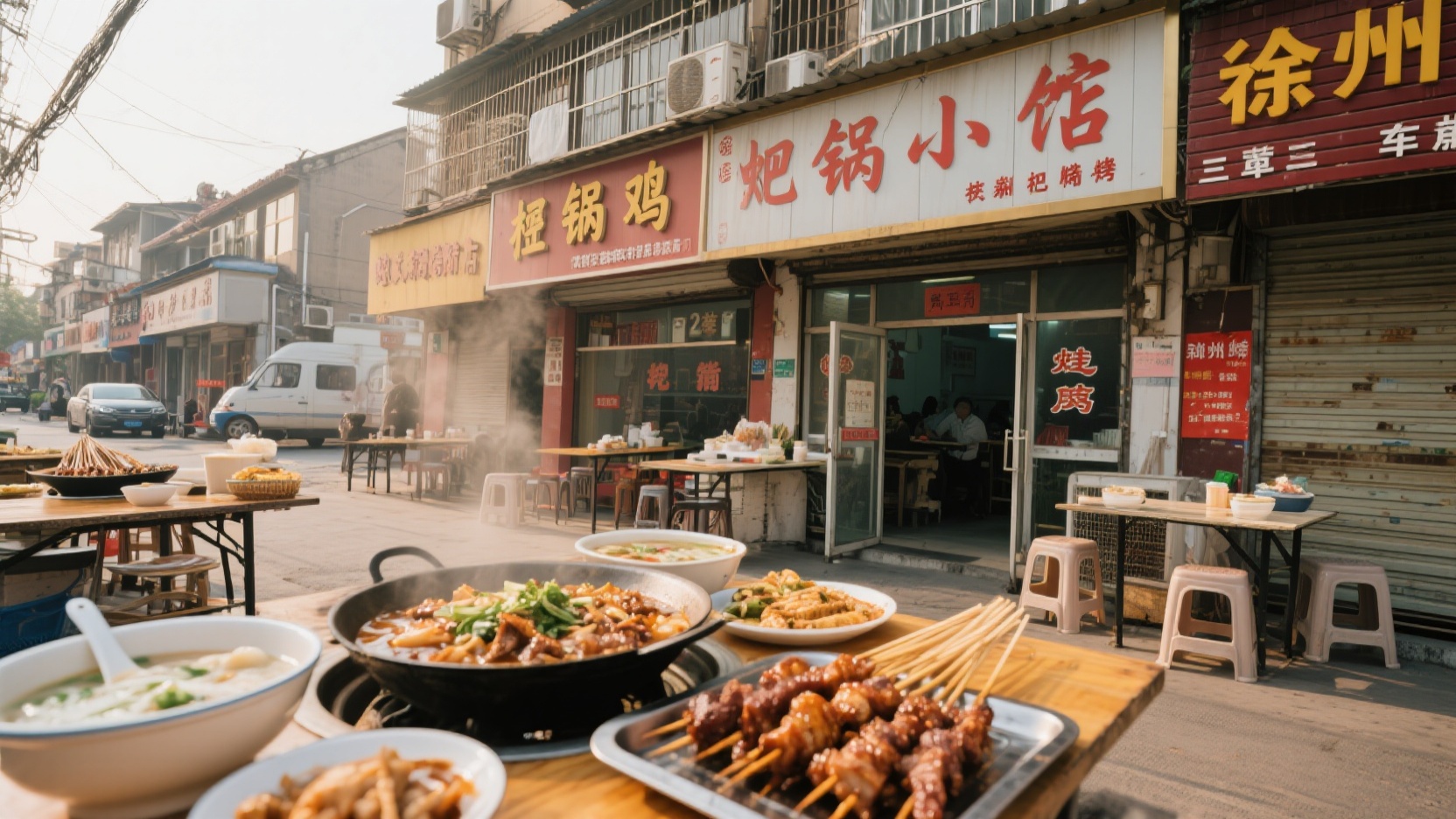
I visited Xuzhou three times. The first two times, I was almost entirely led astray by the local "diguo chicken" (a type of stewed chicken in a clay pot) and "must-eat lists." The food was decent, but the long queues and the homogenization of the dishes made me feel like it lacked the "Xuzhou spirit." On the third trip, I changed my approach, focusing on old neighborhood shops and roadside stalls that didn't have branches, didn't make short videos, and had few tourists outside. The following seven places are a personal list I "persuaded" out of a local friend's phone. I can't guarantee the ambiance, but I guarantee the wok hei (the smoky aroma imparted by a hot wok).
The selection criteria are straightforward: flexible operating hours, many without signs, no online advertising, and surviving solely on repeat purchases from regular customers. The average cost is around several tens of yuan, making it suitable for those willing to get up early and appreciate the atmosphere of a roadside stall.
The soup stall behind Hubu Mountain, the first thing you need in the morning is to make egg drop soup.
Why it's worth going: Just as dawn breaks, a few low tables are set up under the old residential building, and most customers are neighbors carrying enamel bowls. The soup base is made with chicken and pork bones, with a strong peppery aroma, completely different from the lighter version at trendy breakfast shops. Those who know their food will definitely want to add egg drop soup; the boiling soup bursts into the raw egg, creating fluffy and smooth egg drop soup.
The signature dish is a bowl of steamed buns with egg drop soup, served with either eight-strand fried dough sticks or two beef pan-fried buns. After adding chili oil and vinegar, don't stir too much; first, savor the peppery flavor on top. You can also buy piping hot mung bean cakes from the old-fashioned mung bean cake stall at the alley entrance; they're delicious even when cold.
Don't be fooled by the word "fish" in the name of the frog, fish, and fried skewers sold at Fengchu Street Market.
Why it's worth going: The stall furthest inside the Fengchu Street market has no menu, just two long stainless steel tables. The "frog fish" isn't actually fish; it's a cold jelly made from sweet potato starch, shaped like small fish. Chilled and topped with vinegar, garlic sauce, chili, and pickled radish cubes, it's tangy, spicy, and smooth. A local friend said that on a hot day, a bowl of frog fish is more refreshing than milk tea.
What to order from the signboard: A small bowl of frog and fish is enough; be careful with the spice, as the sourness will amplify the spiciness. At the fried skewer stall next door, you can choose bean curd, rice cakes, and cabbage; ask the auntie to fry them a little drier and brush them with sweet and spicy sauce. While you're there, buy some dried radish and chili sauce from the pickle shop at the market entrance; they're more affordable than the tourist souvenirs.
The barbecue carts on Meijian Road have no signs; the real star is the white skewers.
Why it's worth a visit: While lamb skewer shops often steal the spotlight from Xuzhou's barbecue scene, what truly captivates gourmets is a metal cart that only comes out late at night. The owner grills only local young goats, without any sauce or pre-marinating; the skewers are simply sprinkled with salt. The charcoal fire is intense, and the meat is so tender it's juicy. Tourists rarely find it because there's no sign or directions.
How to order from their signboard: Start with twenty skewers of white meat, then two skewers of lamb liver and lamb kidney. Eat them hot wrapped in flatbread, with a little cumin and chili powder stir-fried by the owner. Don't order chicken wings or grilled sausages, which are filling. Along the way, buy some chilled mung bean soup or handmade yogurt from the barbecue cart next door – perfect for cutting through the richness.
The braised pork belly in the garage on the first floor of the old residential building is so bad that if you go too late, all that's left is the broth.
Why it's worth a visit: This braised pork is hidden in the bicycle shed on the first floor of an old residential compound, and it only serves lunch for two or three hours a day. Three large pots simmer with pork, braised meatballs, dried tofu, and green peppers. The pork slices are thick but not dry, and the fatty parts melt in your mouth. There's no dine-in service; diners eat their meals by the flowerbeds at the entrance, giving it a rustic feel reminiscent of old Xuzhou communities.
How to order the signature dish: Choose pork belly with a bit of fat, then ask the owner to pour a spoonful of broth over the rice, add a piece of dried tofu and a braised green pepper. It'll only cost around ten yuan per person to fill you up. Don't just order lean meat, or you'll miss the soul of the meal. On the way, buy some locally grown crisp pears from the fruit stand to the right of the neighborhood; they're crisp, sweet, and refreshing.
At the mutton noodle shop at the foot of Jiuli Mountain, the mutton face is more sought after than the noodles.
Why it's worth visiting: Without a local's guidance, it's difficult to find this mutton noodle shop located in a family's backyard. The clear broth mutton noodles are slow-cooked with mutton bones, resulting in a clear but flavorful soup without relying on MSG. The most unique dish is the cold mutton face salad, sliced extremely thinly and tossed with minced garlic and cilantro—chewy, refreshing, and even more popular than the main course.
How to order from the signboard: Order a bowl of mutton noodles, plus a side of cold mutton face or offal salad. Make sure the noodles are wide so they can soak up the broth. The broth can be refilled once for free, so don't be shy. On the way, buy the sesame-covered flatbread from the shop near the entrance. It's crispy on the outside and soft on the inside when freshly made; tear it open and soak it in the broth for the most authentic experience.
Shaguoju, an old neighborhood restaurant, is the last piece of the carb puzzle.
Why it's worth a visit: This casserole restaurant is located on the ground floor of a residential building. The environment is average, but the soup in the casserole is still bubbling when it's served. It specializes in traditional Xuzhou-style casseroles, such as cabbage, vermicelli, and meatballs; pork ribs with lotus root; and braised pork with dried green beans. The ingredients aren't fancy, but the charm lies in the smoky aroma from the charcoal fire and the rich broth simmered slowly over low heat.
How to order from the signboard: For two or three people, order a casserole of pork ribs and lotus root sandwiches, a serving of cabbage, vermicelli, and meatballs, and two bowls of rice. The lotus root sandwiches are amazing after soaking up the broth; eat the lotus root first, not the meat. Buy candied hawthorns or roasted sweet potatoes from the pushcarts nearby, and have some pickled hawthorns after your meal. A very satisfying meal for under 100 yuan.
The blogger concludes: After three visits, what impressed me most about Xuzhou wasn't the big restaurants, but rather the unassuming stalls hidden in markets, carports, and ground-floor apartments. They don't need marketing; they rely on decades of loyal customers and repeat purchases every day. If time is limited, prioritize the morning market food stalls, clay pot restaurants, and barbecue carts—these will give you a glimpse into the flavors of Xuzhou for a day.
Practical Tips: First, avoid peak meal times. These small restaurants have limited seating and slow service; by 12:30 PM, their menu might be sold out. It's recommended to go when the morning market just opens, before the lunch market closes, or when the late-night food stalls are just starting to open. Second, don't just order the signature dishes. Many hidden ways to enjoy them are in the "toppings," such as adding soup to braised pork, pairing fried skewers with frog and fish, or adding lamb cheeks to lamb noodles. Third, remember to bring cash. Some older stalls only accept cash or have poor signal, especially in wet markets and barbecue carts; having a few dozen yuan in change is always a safe bet.