
Urumqi's Artistic Undercurrents: 8 Spiritual Corners Connected by Old Factories, Independent Bookstores, and Community Cafes
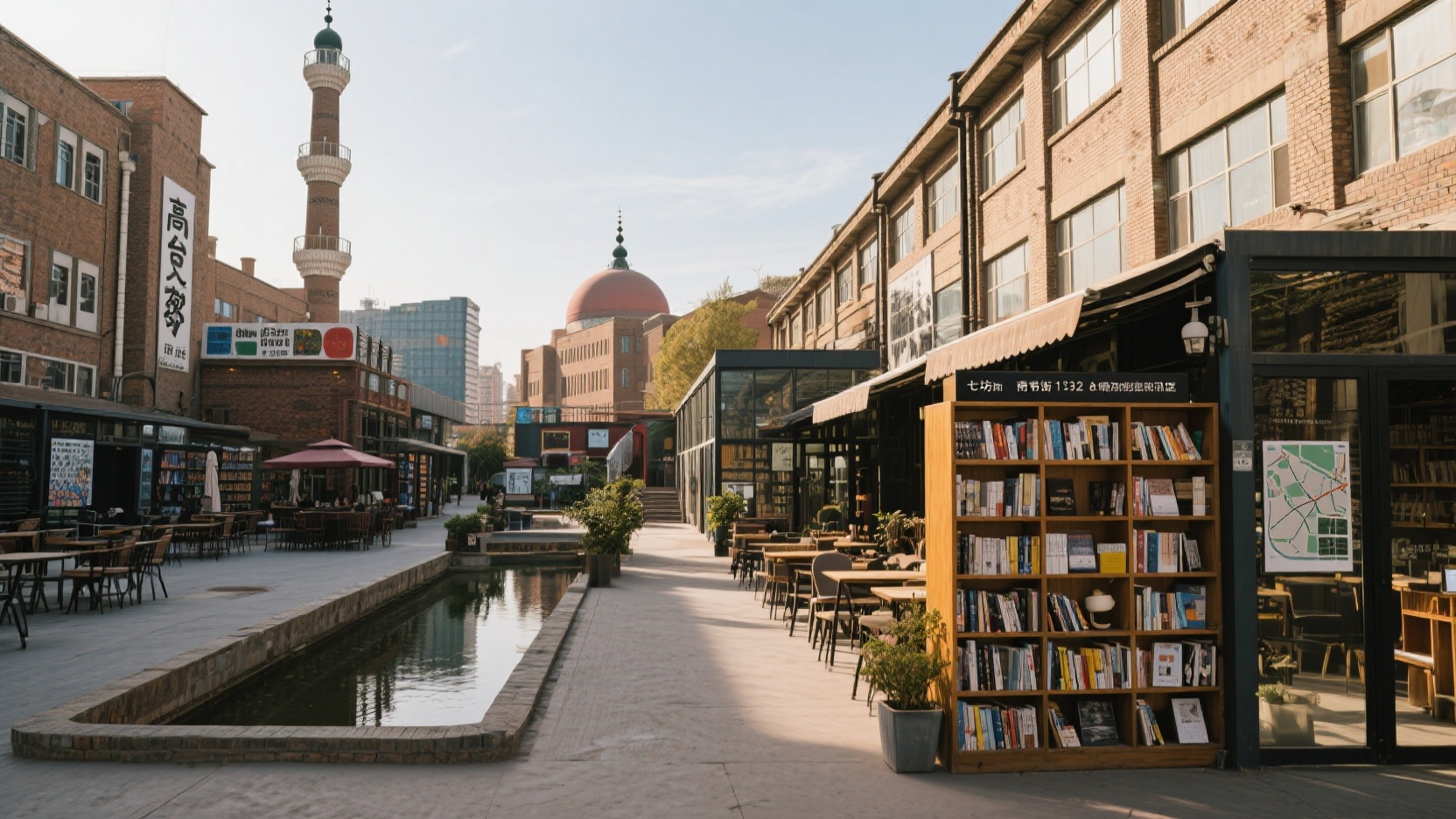
Urumqi's cultural and artistic scene extends beyond museums and dance troupes, spreading across spaces that have sprung up from old factories, warehouses, and shops on the ground floor of residential buildings. This route avoids the Grand Bazaar and Red Hill, connecting eight unique and less-traveled spots, ideal for a half-day to a full day on foot or via short connecting routes.
Gaotai Contemporary Art Center | Xinjiang Contemporary Art in the White Cube
The space is minimalist, and the exhibitions primarily feature photography, installation, and video, with a long-term focus on young creators in Xinjiang and Central Asia. The highlight isn't the permanent displays, but rather the changing curatorial themes and artist dialogues each period. The white wall at the entrance often frames the artworks cleanly; it's recommended to use the natural light from the floor-to-ceiling windows for portrait photography, as the light is softer than overhead lighting.
Left Right Bookstore | The Editorial Power of Independent Bookstores
This long-established independent bookstore's vitality comes from its book selection; its literature, art, social science, and Xinjiang-themed sections are more distinctive than those in department store bookstores. The window-side reading area displays a small selection of vinyl records and creative souvenirs, perfect for browsing rather than taking photos. When taking pictures, utilize the depth of the bookshelves for symmetrical compositions, and in warm lighting, using a clean-covered book to partially cover your face looks more natural.
Book Space | A multi-functional reading space where you can linger
The spacious, high-ceilinged area allows for a mix of reading and small sharing sessions. Design magazines and art books are relatively concentrated, while the rotating exhibitions on the walls mainly feature the works of local illustrators. It is recommended to take photos of the tiered seating area from the second floor, taking advantage of overhead lighting at the stairwell corners to create more layered half-body portraits.
Qifang Street Creative Industry Cluster | An Artistic Transformation of an Old Cotton Mill
The original red-brick factory buildings of the July 1st Cotton Mill have been preserved, with graffiti walls, remnants of old machinery, and artist studios interspersed. The art studios, leather goods workshops, and pottery workshops can be explored closely, and some spaces allow for close observation of the creative process. The red bricks and graffiti provide a natural contrasting backdrop; wearing solid-colored clothing and standing at the factory gate in the afternoon, when the slanting sunlight streams through the high windows, is ideal for capturing light and shadow.
Nanhu Creative 1312 Cultural and Creative Park | Nighttime Vitality in the Boiler Room
Converted from an old boiler factory, the giant chimneys and steel frame structure have been completely preserved. The park is a mix of independent cafes, restaurants, and live music venues. During the day, it's perfect for enjoying a coffee under the steel-framed corridors, while at night, it transforms into a completely different space with the lights on. Shooting the chimneys from a low angle emphasizes the industrial scale, while taking silhouette photos on the corridors at night creates an even more atmospheric ambiance.
Old Cat's Vintage Warehouse: Narratives of Old Objects in a Time Warehouse
Vintage furniture, old cameras, enamel plaques, and old Xinjiang banknotes fill the space, resembling a "time warehouse" ready to be explored. The appeal lies in the traces of local life behind the objects, rather than their neat arrangement. The warm yellow overhead lighting is ideal for photographing still life details; people sitting on old sofas with objects in the foreground easily create a film-like effect.
Sonder Coffee | A coffee window on a neighborhood street corner
The space is small, the bar is welcoming, and the pour-over coffee menu changes frequently. Small works by local illustrators often adorn the walls, and the single seats by the window are perfect for solitude. Taking photos of the coffee and hand details under side-backlighting is the best way to capture the moment. You can record the brewing process at the bar, but you need to get the barista's permission first.
Xiyou Inn | A combination of homestay, restaurant, and live music
By day, it's a quiet guesthouse and restaurant, but by night it transforms into a live music venue featuring folk, jazz, and world music. The black vinyl record wall on the first floor and the outdoor courtyard are its two most recognizable corners. During performances, the warm lighting from the side of the stage is perfect for capturing the atmosphere, while during the day, using the greenery in the courtyard as a foreground makes people feel more relaxed.
These eight locations together form another cultural thread in Urumqi: they don't rely on grand narratives, but rather on daily operations, independent curation, and community relationships to grow slowly. Measure the spiritual corners of this city with your footsteps.