
Suzhou Slow Travel Map | Explore the spiritual corners of 7 old factories, independent bookstores, and private art galleries
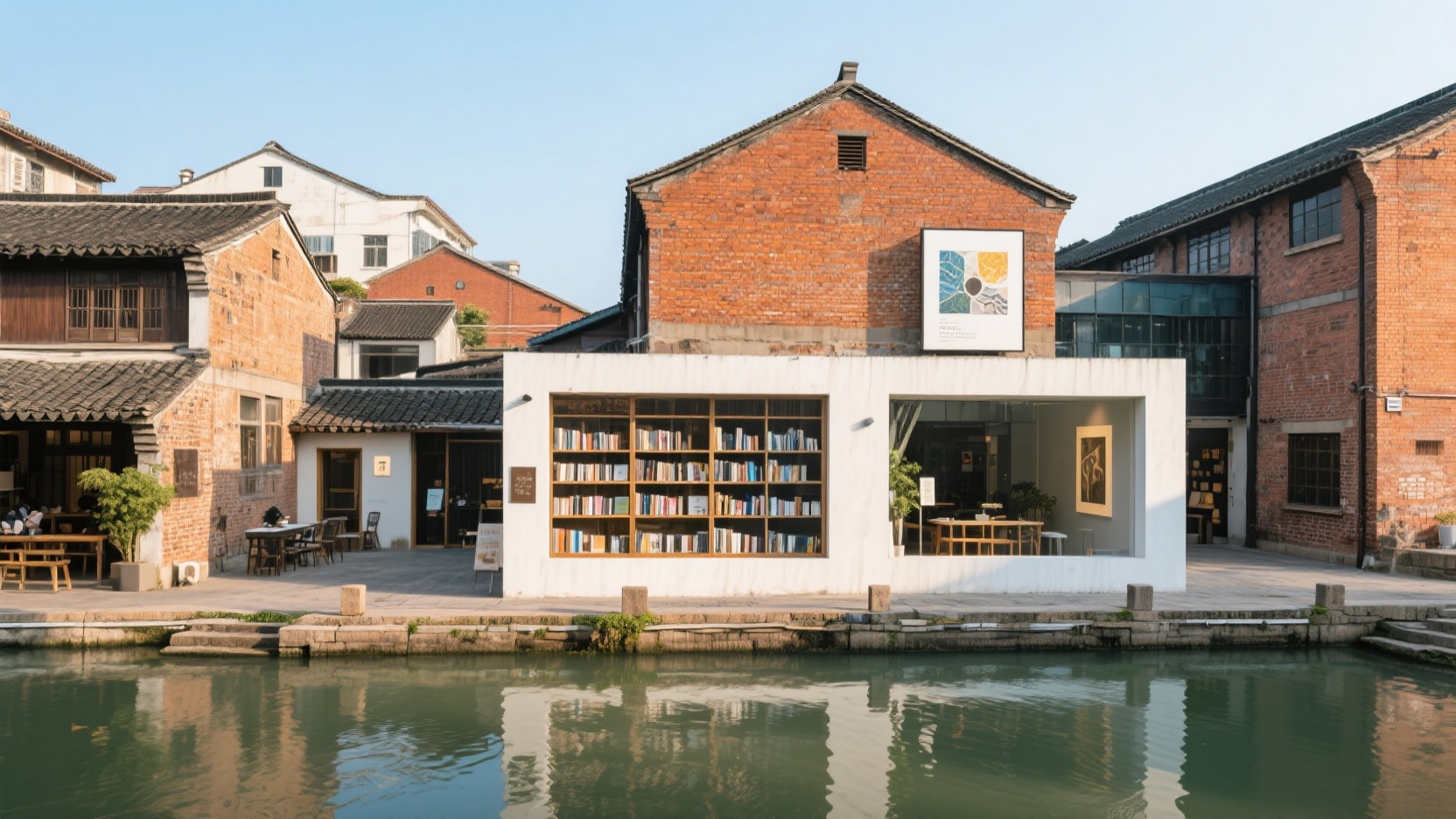
Suzhou's hidden cultural map isn't on the main streets of Pingjiang Road and Shantang Street, but rather in the independent spaces nestled deep within old factories, warehouses, and alleyways. This route avoids crowds, connecting seven spots perfect for leisurely strolls, encompassing independent bookstores, private art galleries, antique warehouses, creative parks in old factories, community cafes, and independent galleries. The route extends from the old city all the way to Wuzhong District, taking just half a day to a full day.
Slow Bookstore: The Warmth of a Bookstore Created by a Courtyard and Handwritten Recommendations
The charm of Slow Bookstore lies not in its neatly arranged bestseller displays, but in the natural light brought by the courtyard of the old house and the book selection. There's no rigid, check-in-the-box layout here; it's more suitable to slowly browse books by theme. The highlights are concentrated in humanities and social sciences, Suzhou local history, and a small number of poetry books. Many books have handwritten recommendation notes next to them, making the information density higher than that of a typical bookstore. If you want to take photos, the courtyard is the best choice, where the light falls from above, creating soft layers on the wooden floor and book spines. Looking down at the reading area from the small windows on the second floor also gives you a sense of quiet depth.
Bense Art Museum: A container of Eastern lifestyle aesthetics along the canal
The Benshe Art Museum is located away from the heart of the old city, resembling more of a spiritual space enclosed by water and rammed earth walls. The exhibitions do not pursue grand narratives, but rather juxtapose tea utensils, flower vases, and contemporary art, emphasizing the relationship between objects and space. Highlights include the water reflection at the entrance, the permanent tea ceremony scene, and the occasional exhibitions of objects. For photography, it is recommended to use the water outside the building to create symmetrical compositions, or to record the outlines of objects and the textures of the walls in the low-light exhibition halls; avoid using flash.
Unique Space: A blend of old items and coffee in a former warehouse.
Wuer Space is a renovated old warehouse, preserving the original depth of the storage space with its mottled walls, old wooden beams, and overall feel. It simultaneously operates a coffee shop, sells vintage goods, and features independent design, creating a clear juxtaposition of "old" and "new" while you browse. Highlights include the retro furniture section, old-fashioned wooden doors, and occasional small exhibitions of illustrations or photography. For photography, it's recommended to use the door frame as a foreground in front of the old wooden doors, or sit on the old sofa and let the mottled wall behind you create a textured backdrop.
Blue Fanghua Cultural and Creative Park: New Content Growing from Red Brick Factory Buildings
Lan Fanghua Cultural and Creative Park, formerly an electronics factory, has preserved its red-brick buildings and steel-framed staircases. Today, it houses a mix of design studios, craft shops, and small cafes. Compared to larger cultural and creative parks, it's less crowded, making it ideal for observing how old industrial spaces are being reused. Highlights include graffiti on the red-brick walls, vintage bicycle installations, and the clean lines of the steel-framed staircases. For photography, it's recommended to take full-body or half-body shots in front of the red-brick walls, or use the staircase as a visual guide.
Jingu Li Art Museum: A Glimpse of Local Art in an Old Courtyard
Jingu Li Art Museum is located in a side alley of Pingjiang Road. Converted from an old Suzhou-style house, the space is small but retains its original courtyard and latticed windows. The exhibits mainly consist of paintings and small installations by local Suzhou artists, and are frequently updated, making it suitable for those who want to see the creative process "here and now." The highlights are the afternoon light and shadow cast through the latticed windows onto the walls, and the relationship between a plant in the courtyard and the white walls. For photography, it's recommended to use the latticed windows as a foreground frame to capture the exhibits, or to record the changes in natural light over time in a corner of the courtyard.
Sparrow Coffee: A bar-style social space in the Shiquan Street community
Sparrow Coffee is located in the Shiquan Street area. The shop is small, with a long bar counter near the preparation area at its heart. The atmosphere is more like a community living room, attracting mostly local residents and coffee enthusiasts who come specifically for hand-drip coffee. The highlights are the flavor options offered by their own roasted beans and the natural interaction between the barista and customers. For photography, it's recommended to sit by the window and capture the overlapping of people and the street scene from outside; you can also focus on the cups and related equipment on the bar counter to avoid disturbing other customers.
Guoyunlou Art Museum: An Intertextual Relationship Between the Former Library Structure and the Exhibition of Calligraphy and Painting
Guoyunlou, formerly a Qing Dynasty library, is now an art museum, where garden landscapes and calligraphy and painting exhibitions are interspersed. The highlight here is not only the exhibits themselves, but also how the old building's structure frames the viewing experience. The corridors, latticed windows, and courtyards draw the viewer's eye to the artworks. For photography, it's recommended to use the corridors to create a sense of depth, or stand in front of a latticed window to capture a corner of the exhibit, allowing natural light to become part of the image.
Explore the spiritual corners of this city with your footsteps.