
How to choose the right souvenirs for Shanghai without making a mistake? I've compiled 8 frequently asked questions from readers.
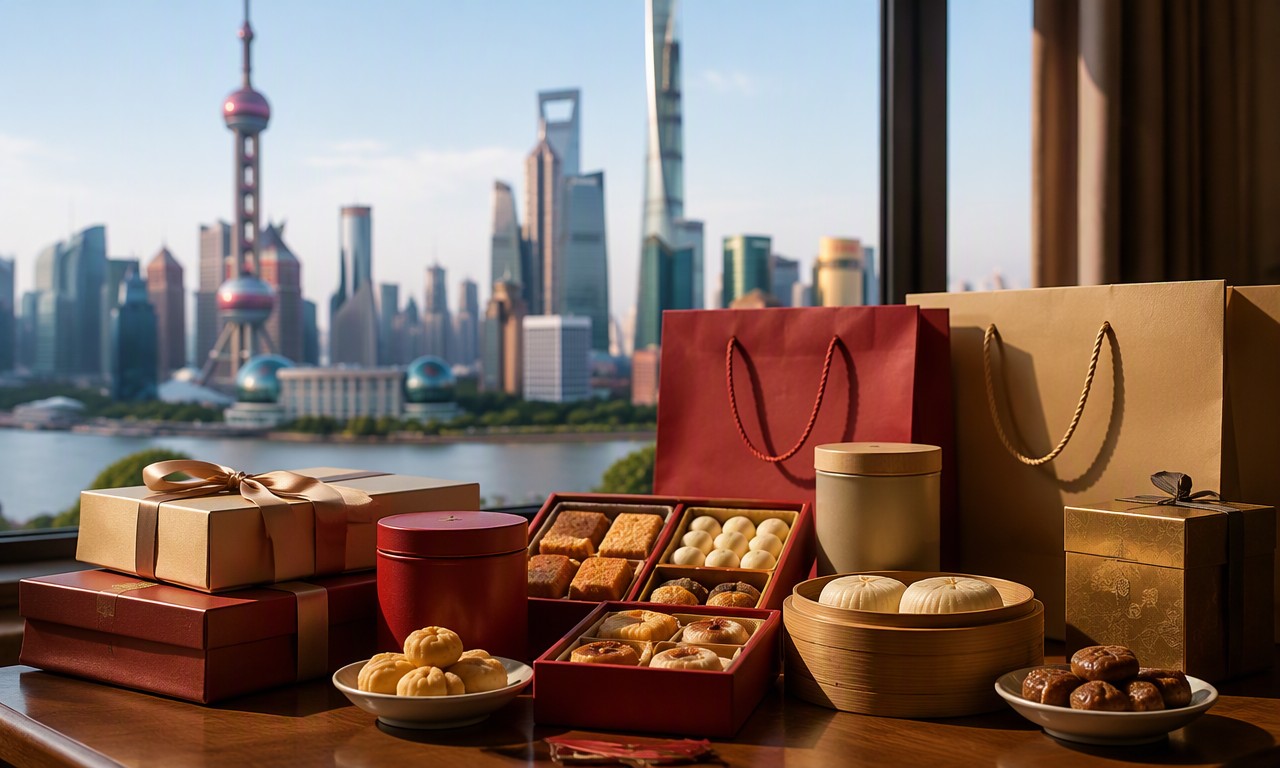
"How do you choose the right souvenirs in Shanghai?" This question deserves a serious answer because while it appears to be about buying something, it's actually about making a good impression. Giving the wrong gift not only wastes money and saves face, but the recipient may not even remember your kindness. In my years of documenting local culture in Shanghai, I've found that most people aren't unwilling to spend money, but rather they don't know what's appropriate to give, what's only suitable for personal consumption, or what seems sophisticated but is actually something Shanghainese people never buy themselves. Below, I'll break down eight frequently asked questions from readers.
What are some presentable yet tasteful gifts for leaders in Shanghai?
There are two things to avoid when gifting a superior: first, it should look like a tourist souvenir; second, the packaging should be excessive but the contents meager. My advice is to go for "established brand premium products" rather than "tourist specialties." My first choice is "Evergreen Biscuits" from Taikang Food Store. These are savory biscuits that Shanghainese have enjoyed since childhood, but it's essential to buy the tin box; the paper wrappings are for personal consumption. The tin box has a substantial feel, and inside are neatly arranged individual packets, which the superior can enjoy at their office without feeling like they've brought back a box of cheap knockoffs. My second choice is "Vegetarian Walnut Shortbread" from Longhua Temple. It's more delicate than regular walnut shortbread, made with vegetarian oil, and packaged in a simple corrugated cardboard box. Anyone in the know will recognize it as something bought on a whim. If your budget allows a bit more, consider the apricot slices from "Shanghai Harbin Food Factory." Their butterfly pastries are too trendy; the apricot slices, on the other hand, have a more traditional and respectable feel.
Pairing suggestion: one savory and one sweet, paired with a small can of Longjing or Qimen black tea. Avoid buying cigarettes and alcohol; they'll make your boss think you're just going through the motions. These time-honored snacks, on the other hand, symbolize "you're thinking of me in Shanghai," and are more meaningful and enjoyable than expensive items.
What Shanghai specialties are good gifts for elders that they genuinely like, rather than gifts that younger people force upon them?
The key to gifting elders is that the food should be "soft, fragrant, and have a nostalgic feel." Elderly people may not have strong teeth, so things that are too hard or too sweet often end up untouched. Qiaojiazha's "Dingsheng Gao" and "Tiaotou Gao" are safe choices. Dingsheng Gao is a soft rice flour cake, while Tiaotou Gao is glutinous rice wrapped around red bean paste. They're delicious after steaming the next day and can be kept at room temperature for two or three days. Shen Dacheng's "Shuangniang Tuan" is also appealing, with one dumpling filled with both red bean paste and sesame seeds; older people will exclaim, "This tastes just like the old days!" However, it's important not to buy too many of these glutinous rice products, as they will harden if left for too long.
The second category of recommendations includes seaweed stems and Ningbo-style pastries from "Sanyang Nanhuo Store." The taste of this store evokes fond memories for older generations of Shanghainese. The seaweed stems are salty, fragrant, and crispy, easy to chew, and not too sweet. Many elderly people will tell you while eating, "I've been eating at this store since I was young." Paired with a small bag of "Shao Wansheng" fermented peanuts, it makes a perfect tea snack. Avoid buying fancy gift boxes; older people might find them empty inside and feel it's a waste.
What are some gift ideas for colleagues on a tight budget, where everyone can receive a gift?
Fairness and convenience are important among colleagues. The price shouldn't be high, but it also shouldn't feel like a cheap gift. My experience is to buy "shareable bulk pastries" rather than individual small packages. Everyone knows about the International Hotel's butterfly cookies; buying two large bags and placing them in the break room is more natural than giving everyone a small bag. People will grab a piece as they pass by, it's low-cost, and makes you seem generous. However, if you don't want anything too trendy, you can opt for cookies from "Red House Pastry" or curry puffs from "Lao Da Chang." Curry puffs are salty, making them more popular in the break room than desserts, and they're less likely to be too sweet.
Another idea is to buy "Taikang Foods" spicy soy sauce. This is a must-have condiment for Shanghainese when eating fried pork chops. Many colleagues from other places don't know it exists. If you send a small bottle with a caption like "Try dipping this in your fried chicken," it will generate a lot of buzz. You're spending a small amount of money to pique their curiosity. Don't buy things that are too common, like chocolate. You can find them everywhere in supermarkets, and they won't show any Shanghai distinction.
What are the things that Shanghainese people would repurchase if they took them home to eat themselves?
If you're just eating it yourself, you don't need to worry about packaging; the key is that the flavor lasts and it's easy to carry. I'd first recommend "Kaisiling's" cookie and butter cake roll, but cake rolls need to be refrigerated, so they're fine for short trips, but not for long ones. A more reliable option is "Guangmingcun's" fresh meat mooncakes. They're a rare find among Shanghai's fresh meat mooncakes—thin-crust, firm, and juicy. Buy half a dozen, pack them in a paper bag, and you can eat them the same day you get home; they're still good the next day after you reheat them in the oven. Many travel guides mention "Zhen Lao Da Fang," but I think Guangmingcun's seasoning is more restrained, making it less likely for out-of-towners to find it too oily.
Another item is the mung bean cake and peanut brittle from "Si Ru Chun". This shop is famous for its cold wontons in the summer, but its pastries are very clean. The mung bean cake has a bean flavor without any artificial flavoring, and the peanut brittle has a satisfying texture. If you're just having some, you don't need to buy the assorted gift box. Just buy a small bag of each item and enjoy them with tea at home.
Will souvenirs I bring to Shanghai in the summer spoil easily? Are there any alternatives that don't require refrigeration?
That's a very good question. Sending fresh meat mooncakes and rice cakes in the summer is just asking for trouble; they'll spoil after a few hours on the road. My advice is to choose dried goods and bottled items in the summer. First, there's "Shao Wansheng's" pickled goods. The pickled brine is bottled and can be stored at room temperature. It's great for pickled edamame and chicken feet; it's hard to find the right brine outside of Shanghai. Second, there's "Sanyang Nanhuo Store's" dried bamboo shoots, peanuts, and creamy preserved plums. The dried fruits from Nanhuo Store keep well and have a more complex flavor than those packaged in supermarkets.
If you absolutely must bring snacks, choose "Guanshengyuan" compressed biscuits or "Xinghualou" boxed chicken biscuits. Chicken biscuits are sweet and savory, on the firmer side, and don't spoil easily in the summer. They still taste like fermented bean curd when you get home. Don't buy any snacks with meat, cream, or fresh fruit fillings in the summer. It's not that you can't bring them, but the risks lie entirely in the temperature and sweating.
If the recipient doesn't understand Shanghai's time-honored brands, what gift can they immediately recognize its value?
In this situation, avoid giving overly "expert" gifts; the recipient won't understand the significance behind the name "Longhua Temple." Instead, choose something that's "visually and gustatoryly straightforward." Xinghualou's Chang'e Flying to the Moon mooncakes or egg yolk lotus seed paste mooncakes are highly recommended. Xinghualou is a well-known Cantonese mooncake brand nationwide, and its red and gold packaging makes it look like a proper gift. Secondly, consider Guanshengyuan's honey and White Rabbit milk candy. While White Rabbit candy is widely available, Guanshengyuan is the original manufacturer, and they now offer retro tin boxes and gift bags, which will appeal to elders and remind younger generations of Shanghai.
Pairing strategy: Connoisseurs would give Longhua Temple vegetarian pastries, while those less knowledgeable would give Xinghualou mooncakes. One speaks of "Shanghai lifestyle quality," the other of "national recognition." Don't try to flaunt your cultural heritage with time-honored brands; the primary goal of gift-giving is to please the recipient, and only then should you consider its cultural significance.
What are some Shanghainese-style souvenirs that you can make yourself at home?
Many people want to bring back some "Shanghai flavors," but you can't bring too much ready-made cooked food. My suggestion is to bring "sauces and semi-finished products." Pre-mixed sauce packets from "Lao Da Fang" or "Xin Ya" are the best choices, such as eight-treasure spicy sauce packets or scallion oil noodle sauce. Just stir-fry a topping at home and you have a Shanghai breakfast. Another option is "Mei Lin" brand rice cake slices and chili sauce. Mei Lin is an old Shanghai canned food brand; their rice cake slices stir-fried with shredded pork are very satisfying, and their chili sauce stir-fried tofu is also a local Shanghainese home-style dish.
There's also "Shao Wansheng's" drunken crab and drunken mud snails, packaged in glass jars that can be checked in as luggage. Once they arrive, you can put them in the refrigerator and enjoy them with congee whenever you want – that's the taste of summer for Shanghainese. These kinds of dried, semi-finished products are more practical than buying ready-made food directly, because when the other person eats it, they feel "I made this myself," which gives them a stronger sense of involvement than just opening the package and eating.
I have a limited budget, but I don't want the recipient to think I just grabbed something off the street.
When on a tight budget, be smart and choose items that are inexpensive individually but create a sense of occasion when combined. One approach is to buy Napoleon pastries from "Red House Pastry Shop" and a small bag of "Lekoufu" milk powder. Lekoufu is a long-established Shanghai brand of malted milk powder, which many people drank as children. Paired with the Napoleon pastries from the pastry shop, it creates a "Shanghai afternoon tea" combination. It's inexpensive, but the other person will think you're a connoisseur. Another approach is to buy mixed fruit sponge cake from "Guangmingcun" and a bag of spiced beans. The sponge cake is substantial, and the spiced beans have an authentic old City God Temple flavor. Neither item is expensive, but when placed together, they evoke the feeling of "Shanghainese people celebrating the New Year and visiting the City God Temple."
Avoid buying those pre-packaged "Shanghai specialty gift sets" at tourist attractions; they usually contain the cheapest items, and the taste and packaging are disappointing. When on a budget, choosing classic individual items or themed sets is more memorable than an expensive but empty gift box.