
Avoid paid attractions in Sanya | A local's recommended 4-day itinerary with no entrance fees – don't be fooled by travel guides!
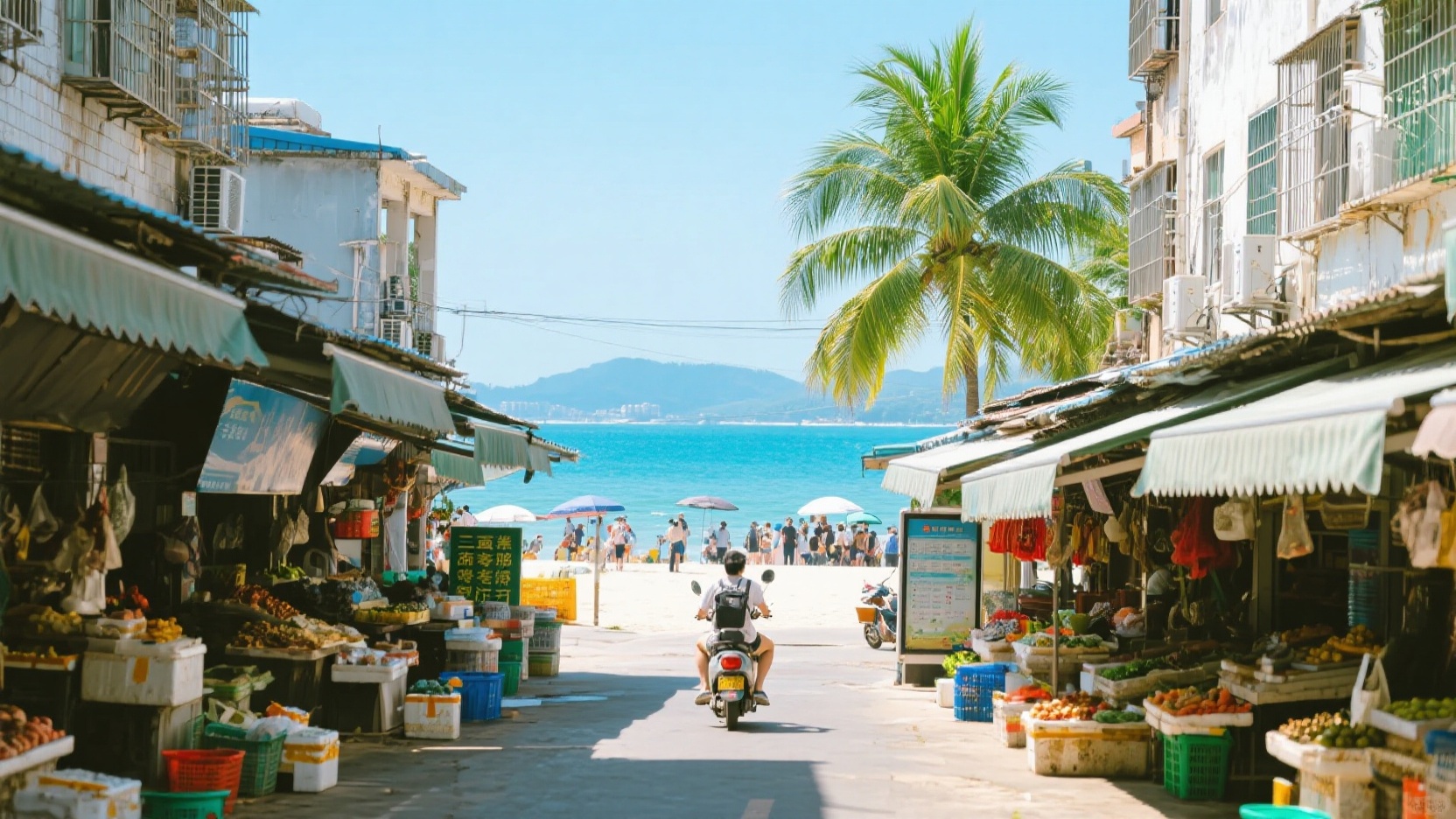
Instead of spending most of the day queuing to enter the paid islands in Sanya, it's better to go to Hongsha Wharf to watch the fishing boats return to port, buy a couple of pounds of freshly caught seafood, and sit on the breakwater to enjoy it slowly. This is a common saying among locals, but tourists rarely take it to heart.
Having lived in Sanya for over five years and traveled there and back twenty times, I've become increasingly convinced that the most expensive places in Sanya are often the least memorable, while the cheapest spots are the ones I remember the longest. The following four-day itinerary excludes any major tourist attractions with entrance fees; Wuzhizhou Island, Nanshan, the Forest Park, and Tianya Haijiao are all excluded. The entire trip will be by public transport, electric scooter, and walking, with daily expenses kept to between tens and hundreds of yuan per person.
Day 1 | Community Market Day: Hongsha Market and Fishing Port Wharf – Don't Pay Tourist Prices for Seafood
Hongsha is located in the northeast corner of the city, and many tourists haven't heard of it. In the morning, you can ride a shared electric scooter or take a bus from the city center; it's not crowded, and the air is filled with a salty sea breeze mixed with the smell of diesel fuel. The breakfast stalls at the entrance of the vegetable market sell Lingao rice noodles and Hou'an rice noodles; you can get a full meal for just a few to a dozen yuan per person.
Don't buy seafood at the first stall near the market entrance; walk further in and watch how the local aunties choose their seafood. Shrimp, crabs, and small fish are priced according to the day's market rates; sometimes you can buy a large bag for just a few tens of dollars. There are processing points next to the market; steaming or blanching are the safest options, avoid complicated cooking methods. It's more comfortable to eat your cooked food at the Hongsha Wharf than at the seafood market.
In the afternoon, walking along the seawall deeper into Hongsha Port, you can see fish farms and small boats returning to port. This is a residential pier, not a photo spot, so be careful not to block the view when taking pictures. The light is best in the evening, and many local families come for a walk on electric bikes; the smell of sea salt is very strong.
Day 2 | University Surrounding Area Day: Sanya College and Lizhigou Road, enjoying the local flavors while paying only for public transport.
The area around Sanya University is an underrated haven for affordable food. It's about a 30-40 minute bus ride from the city center, costing only a few yuan. The food street and night market near the university gate mainly cater to students, and prices are significantly lower than in Dadonghai and Sanya Bay. You can find everything from refreshing desserts and fried skewers to sour rice noodles and grilled oysters; you can eat your fill for just a few dozen yuan per person.
For lunch, you can find a local stir-fry restaurant near Xueyuan Road and order a dish of sweet potato leaves with shrimp paste, a casserole of salted fish and eggplant, and a bowl of rice. These places don't have trendy decor, but the wok hei (wok aroma) is excellent. Many restaurants close after 2 PM, so avoid going during peak meal times.
In the afternoon, take a stroll along Lizhigou Road to see another side of Sanya: hardware stores, secondhand bookstores, electric scooter repair shops, and fruit stalls are all mixed together. Buy a glass of salted lemonade and walk slowly; there's no need to stop at a coffee shop for photos. This place isn't for sophisticated travel, but rather for observing the authentic lives of locals.
Day 3 | Old Industrial Area Renovation Day: Old factories and fishing village alleys in the southern coastal area, electric vehicles traversing the forgotten Sanya.
The southern coastal road is close to the city center but not crowded; old saltworks, old factories, and port authority dormitories are all mixed together. Renting an electric scooter costs only a few dozen yuan per day. Starting from Sanya Bay, ride along the Sanya River outwards; the breeze is more comfortable than taking a taxi. Avoid the highway; take the coastal roads instead.
Nanbianhai Fishing Village is a treasure trove. The alleys are narrow, the houses old, and the ground floors are filled with small shops, tailor shops, and traditional tea stalls. In the mornings, there are mobile stalls selling barley cakes and coconut rolls for a few dollars a bag. Chat with the owners, and they'll tell you which alley leads to the beach.
In the evening, you can ride to the foot of Luhuitou Mountain without buying a ticket to go up the mountain. Follow the coastal road to the vicinity of the mid-mountain pier, where you can see sailboats and the sunset. Many locals are enjoying the breeze on the roadside stone benches; it's much quieter than the mountaintop viewing platform. Remember to leave enough battery on your electric bike for the return trip.
Day 4 | Old Town and Alleyway Day: Yazhou Old Town and Baoping Village, take a bus to see the free historical sites.
Take a local bus from the city center to Yazhou; the journey takes about an hour one way, and the fare is inexpensive. There are no tourist barriers in the old town of Yazhou; the arcade streets, the area surrounding the Yazhou Confucian Temple, and the ancient city gate ruins can all be visited for free. Avoid the newly built imitation ancient street; instead, walk into the alleys behind the arcade buildings.
Baoping Village is an old village near Yazhou. Most of the old houses date from the Ming and Qing Dynasties to the Republic of China period, and some are still inhabited. Do not enter the courtyards without permission; you can look at the gable walls, plasterwork, and wooden doors from the alley entrance. Most villagers are friendly; you can ask for directions, but please refrain from taking photos of the elderly and children.
Have lunch near the Yazhou Central Market with a bowl of Yazhou noodles or fish stew; it costs around ten to twenty yuan per person. When taking the bus back in the afternoon, pay attention to the last bus time, as rural routes stop running earlier. This day's expenses are basically limited to transportation and food.
Why is the zero-ticket route closer to Sanya?
Sanya's paid attractions are mostly man-made photo spots and fenced-off beaches, resulting in severe homogenization. The truly authentic local scenes are often found in farmers' markets, old communities, docks, and village alleys. These places don't require admission fees, yet they hold the most genuine aspects of Sanya.
Not buying a ticket doesn't mean you're bored. Allocate your budget to food and leisurely exploration; you can experience the changing seasons, tides, and people. For example, the strong winds at the fishing port in winter or the cool respite after a summer afternoon downpour are more memorable than queuing for photos.
Saving money isn't the goal; avoiding crowds is. The worst thing about solo travel is wasting time queuing and taking shuttle buses, and free-entry routes perfectly avoid these hassles.
How to choose accommodation and transportation for a solo traveler on a budget with no entrance fees?
Avoid staying in the Yalong Bay or Haitang Bay areas. Opt for guesthouses or budget hotels in neighborhoods near Sanya Bay or Hongsha Beach. These are convenient for transportation and offer affordable dining options. Hostels or single rooms are fine for solo travelers. Book in advance during peak season and view rooms on-site during off-season for more flexibility.
Public transportation is prioritized, supplemented by shared electric bikes. Sanya's public transportation system covers major areas, with routes to Yazhou and Hongsha. Electric bikes are less strenuous for short distances, but always wear a helmet and check the battery level. Record a video of the bike's condition before renting to avoid disputes upon return.
Bring water, sunscreen, and rain gear every day when you go out. The UV rays in Sanya are strong; sunburn is no joke. Your phone battery drains quickly, so bring a power bank. People with sensitive stomachs should avoid drinking iced coconut water immediately after eating seafood, as it can easily cause diarrhea.
In closing: Don't ask the locals if I didn't tell you.
1. Don't buy tickets at the entrance of tourist attractions for "locals to take you to the free beach" offers; the beach is free in the first place.
2. When buying seafood at the market, choose live seafood yourself, and remember to drain it after weighing. Don't accept the plastic bag from the vendor.
3. When taking the bus towards Yazhou, you need to prepare small change or scan a QR code, as there may not be real-time bus information in rural areas.
4. Try to avoid going to remote fishing villages and deep alleys at night when you are alone, as the streetlights are dim at night in the southern sea and Hongsha area.
5. When you encounter a "processing shop" that enthusiastically solicits customers, first ask whether the processing fee is charged by weight or by portion, and pay after you finish eating.
6. Not all free places in Sanya are less crowded during peak season. It is more comfortable to travel the free-entry routes from November to March of the following year, avoiding the Spring Festival and National Day holidays.