
A Culinary Journey Through Sanya's Markets: 9 Authentic Local Delicacies Locals Repeatedly Buy at the First and Third Markets
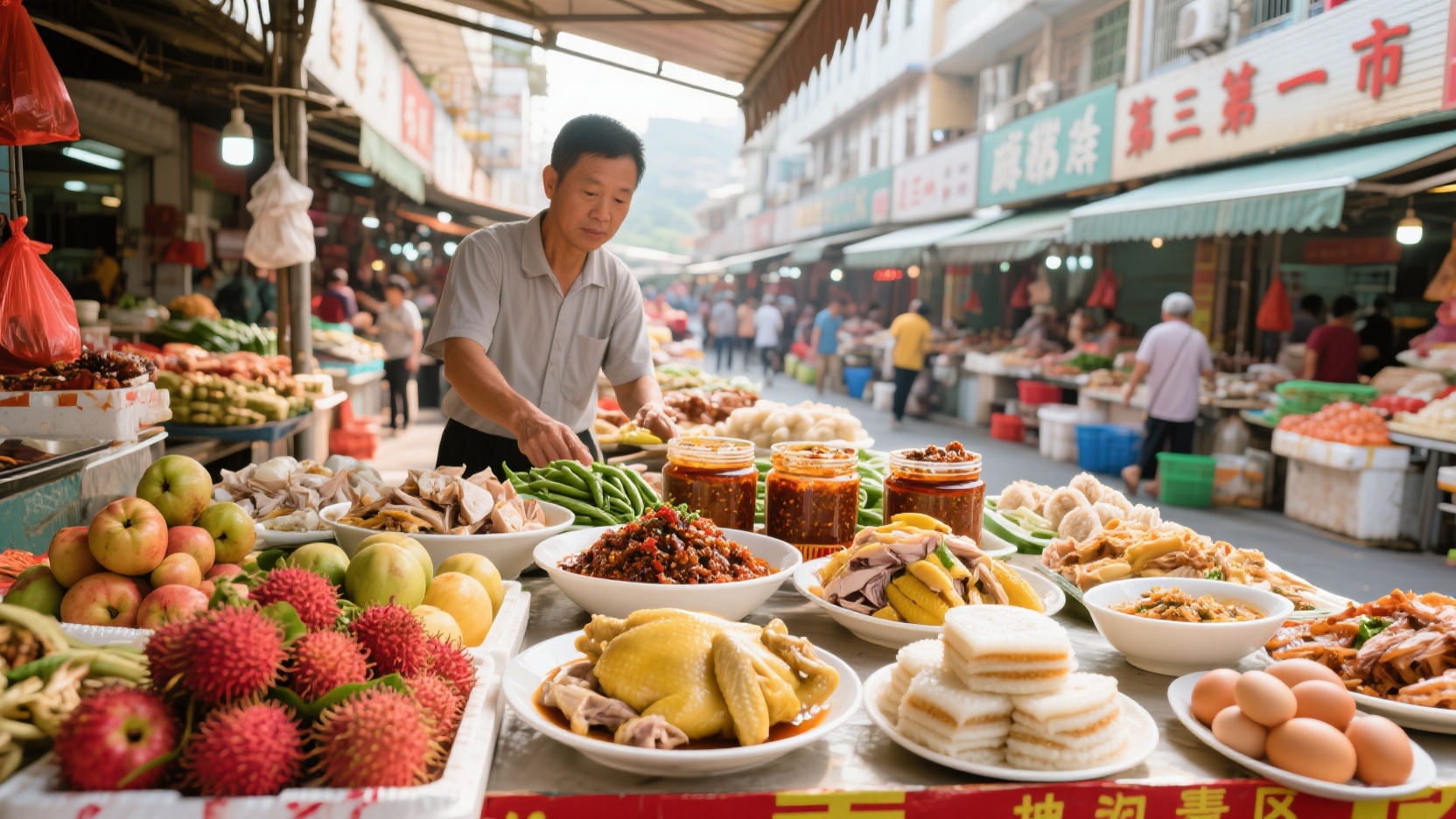
In Sanya, the true flavors undiluted by tourist menus are often hidden in the early morning markets. The First Market is near the old town center, while the Third Market is a local favorite for leisurely strolls. They don't sell standardized souvenirs, but offer freshly chopped poached chicken, Tanka-style rice dumplings wrapped tightly in hibiscus leaves, perfectly fermented shrimp paste and lentil paste, and seasonal fruits arranged by ripeness. Here are nine must-try items; it's recommended to visit on an empty stomach and enjoy them as you explore.
First Market: The old-fashioned area with the highest concentration of cooked food stalls and pickle stands.
The First Market is one of the earliest comprehensive markets in Sanya. Although the cooked food section is crowded, it's a popular place for locals to grab dinner after get off work. For poached Wenchang chicken, choose chicken with a bright yellow skin and a thin layer of gelatinous substance between the skin and meat; the meat should be firm but not dry. Ask the vendor to chop it into pieces and pack a separate bag of the original broth; this will help retain the chicken flavor when you get home and dip it in garlic soy sauce. The adjacent cooked food stall often sells Tengqiao spare ribs; choose those with a bright red color, slightly crispy skin, and a sweet soy sauce aroma. Buy half a portion; when reheating after cooling, place a piece of paper underneath to absorb excess oil.
The pickle stalls are located towards the inner part of the market. Shrimp paste, a staple in Sanya households, is made from local small shrimp fermented with salt. Good shrimp paste is grayish-purple or dark gray, with a smooth texture and a fermented, salty, savory aroma rather than a fishy smell. Green bean paste is made by grinding green beans and fermenting them with garlic and salt. It's dark brown and relatively dry, suitable for braising fish or stir-frying sweet potato leaves. Buy only a small jar at a time, refrigerate after opening, and consume as soon as possible. Choose handmade, bulk yellow lantern chili sauce. It's golden-orange in color, with visible chili seeds, and has a fresh, spicy, and fruity aroma. It's suitable for dipping poached chicken or mixing with rice noodles, but it's very spicy, so don't eat too much with shrimp paste.
Third Market: Handmade Pastries Hidden Behind Local People's Kitchens
Compared to the First Market, the Third Market is more focused on local life, with breakfast stalls and handmade pastry vendors opening at 6:00 AM. Job's tears cakes are made by wrapping glutinous rice flour with shredded coconut, crushed peanuts, and a small amount of brown or white sugar, then wrapping them in banana or jackfruit leaves and steaming them. When buying, check if the outer skin is soft and moist, and if it slowly springs back when pressed. The coconut shreds should be moist and oily, not dry and whitish. Job's tears cakes are best eaten on the same day, paired with a pot of partridge tea to cut through the richness.
The name "chicken shit vine cake" is misleading. It's actually made by pounding chicken shit vine leaves to extract juice, then mixing it with tapioca flour to form small granules. It has a grassy, herbal aroma. You can buy semi-dried or fresh chicken shit vine cakes at the market; choose those that are dark green and have uniform granules. When making the sweet soup at home, add ginger slices and brown sugar, and drizzle with coconut milk before serving for a smoother texture. Brown sugar rice cakes and coconut milk layered cakes are displayed at the dim sum stalls. Good layered cakes have clear layers and are elastic when pressed. After buying them, cut them into pieces and pan-fry them in a little oil until both sides are slightly browned; they're more fragrant than eating them cold.
Besides shrimp paste and lentil paste, the third market also offers pickled bean paste. This paste is made by removing the pits from locally grown tamarind pods and fermenting them with salt. It has a deep brownish-red color, a sandy texture, and a bright sour taste with a slightly sweet aftertaste. Choose tamarind without white mold or a pungent sour smell. Add a spoonful when cooking seafood at home; it's milder than vinegar. If you like sour snacks, you can buy a bag of pickled tamarind—just suck on one for a pickle, or chop it up and mix it with green mango.
Seasonal Fruits: Freshness Rules Based on Ripeness and Stem Cells
Fruit stalls at Sanya's farmers' markets often compete on the speed of delivery. For wax apples, choose those with a slightly open navel, a waxy sheen, and a firm, not soft, texture; chill them and slice for a crisp, sweet taste. For rambutans, look for bright red with a hint of green in the hairs; the fresher the shell, the better. After peeling and removing the pit, the flesh resembles lychee but is sweeter. For passion fruit, choose those with a golden-yellow skin that feels soft to the touch; the flesh is powdery, sweet, and fragrant, perfect for eating on its own or mixed with yogurt. Durian honey fruit is smaller than jackfruit, with softer thorns; it's best when it smells a blend of durian and jackfruit aromas, and it's safer to have the vendor open it on the spot. Guifei mangoes have a long season in Sanya; choose those with a red and yellow skin and a honey-like aroma at the stem; don't squeeze them too hard, they'll be sweeter after a day or two at room temperature.
Visiting the local market is the best way to experience a city. Sanya's seafood stalls can be replicated, but the freshly chopped poached chicken, the perfectly fermented broad bean sauce, the two fragrant barley cakes, and the vendor's gesture of picking out the sweetest wax apple for you—these are the everyday moments of the city that cannot be taken away. Next time you visit Sanya, make the local market your first stop. There are no tourist traps, only the daily routines of locals.