
Quanzhou Flavors | The Flavors of an Ancient City: A Culinary Legend of the Maritime Silk Road
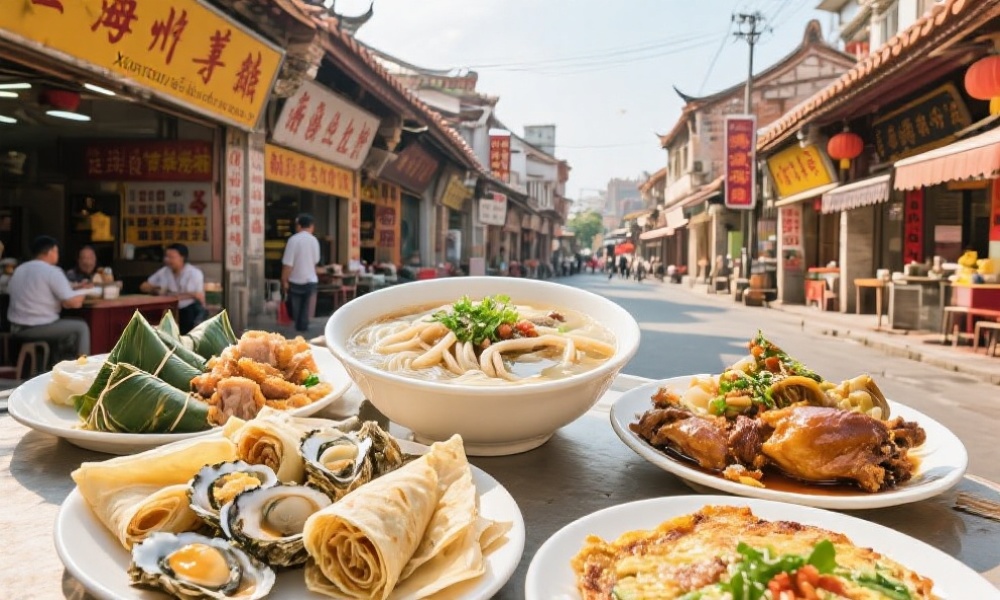
Quanzhou, a city once hailed by Marco Polo as "the largest port in the East," not only boasts a glorious history of the Maritime Silk Road but also has, over its long history, developed a unique Minnan (Southern Fujian) culinary system. Its food culture blends ancient Central Plains traditions, maritime influences, Southeast Asian flavors, and even exotic spices, resulting in a distinctive and diverse local cuisine. For travelers seeking a deeper cultural experience, Quanzhou's food is not merely about filling their stomachs, but rather the best way to explore the historical context and everyday life of this ancient city.
Must-try signature dishes list
Quanzhou boasts a rich and diverse culinary scene. Below are some of the most representative local delicacies to help you accurately capture the essence of this ancient city's flavors.
- Rice Noodle Soup: As one of Quanzhou's most recognizable breakfasts, rice noodle soup is famous for its light yet rich broth, thin, hair-like noodles, and a wide variety of customizable toppings. The broth is often made with pork bones or seafood, resulting in a sweet and savory flavor; the noodles are cooked until they reach a thick, melt-in-your-mouth consistency. Diners can add dozens of toppings according to their preferences, such as pickled pork, pork intestines, braised eggs, oysters, and small intestines, and then sprinkle with pepper and chopped green onions. A bowl of this is both warming and satisfying. Its unique characteristics lie in the freedom to combine toppings and the mellow taste of the broth, making it an excellent starting point for experiencing the daily life of Quanzhou people.
- Tusun jelly: This seemingly ordinary "jelly" is actually made from a marine annelid scientifically known as *Sipunculus nudus*. After being washed and boiled, its gelatinous substance naturally solidifies, forming a crystal-clear, smooth, and bouncy jelly. Tusun jelly is usually served with soy sauce, vinegar, minced garlic, mustard, and other condiments. It has a slightly salty taste from the sea and the unique sweetness of the sipunculus, offering a refreshing flavor. It is one of Quanzhou's most representative seafood snacks, challenging the taste buds while showcasing the ingenuity of the Minnan people in utilizing marine ingredients.
- Runbing (Spring Rolls): Quanzhou runbing shares similarities with northern spring rolls, but its fillings are much richer and more diverse. A thin, special wrapper encases over ten ingredients, including stir-fried carrot shreds, bean sprouts, cabbage, seaweed, crushed peanuts, diced meat, and oysters, creating distinct layers of flavor with a perfect balance of sweet and savory. Its key features lie in the freshness and variety of ingredients, as well as the chewy and refreshing texture of the wrapper. Every bite offers a harmonious blend of flavors, making it a delicious staple on Quanzhou's festive or everyday dining tables.
- Quanzhou meat dumplings: Unlike the soft and glutinous texture of Jiaxing meat dumplings, Quanzhou meat dumplings emphasize the richness of the filling and the chewy texture of the rice. They are made with high-quality glutinous rice, braised pork belly, shiitake mushrooms, chestnuts, dried shrimp, dried scallops, and other ingredients, wrapped in bamboo leaves and steamed for a long time. The dumplings are characterized by their firm texture, plump rice grains, and rich, flavorful filling. They are often served with peanut sauce, sweet chili sauce, or garlic sauce, offering a unique flavor and making them a common choice for breakfast or lunch in Quanzhou.
- Ginger Duck: As a nourishing delicacy, Ginger Duck enjoys immense popularity in Quanzhou. It's made with Muscovy duck, a generous amount of old ginger, and rice wine, simmered slowly in a clay pot over low heat. The duck meat is tender and flavorful, the broth rich and mellow, exuding the aroma of ginger and the sweetness of rice wine. Its key characteristics are its nourishing and warming properties, making it especially suitable for autumn and winter. The preparation of Ginger Duck emphasizes precise control of heat and proportions, reflecting the Minnan people's understanding of the shared origins of medicine and food.
- Oyster omelet: This is a classic Minnan snack made by mixing fresh oysters with eggs, sweet potato starch, garlic sprouts, etc., and frying them in a pan until golden brown on both sides. The outer skin is crispy and fragrant, while the inside is soft and tender, with the sweetness of the oysters and the richness of the eggs blending perfectly. It is usually served with sweet chili sauce or ketchup, offering a rich flavor, and is a common sight at Quanzhou night markets and snack stalls.
Local favorites for food
To truly experience Quanzhou's culinary delights, it's key to avoid tourist hotspots and immerse yourself in local life. Here are some of the local favorites for food lovers:
- West Street: As one of Quanzhou's oldest and most bustling streets, West Street is not only a cultural landmark but also a food paradise. Numerous century-old shops and snack stalls line the street, such as "Grandma Hou's Rice Dumplings," "Wu's Handmade Mochi," and "Bingzhengtang Stone Flower Paste," offering both traditional snacks and modern tea drinks. Although some areas are crowded with tourists, exploring the alleyways nearby reveals many authentic local delicacies.
- Zhongshan Street and its surrounding alleys: Connected to West Street, Zhongshan Street is also a historic street. It not only features arcade buildings but also hides many restaurants and breakfast stalls frequented by locals. Especially in the alleys extending from Zhongshan Street, such as Jinyu Alley and Hua Alley, you can often find family-run workshops serving vermicelli soup, satay noodles, and beef soup, all at affordable prices and with authentic flavors.
- Tumen Street: This street, due to its proximity to Qingjing Mosque, has a stronger multicultural character. In addition to traditional Minnan snacks, you can also find some delicacies with Southeast Asian or halal characteristics. For example, "Haochengcai Beef Steak" is a local favorite, with its beef soup and beef steak.
- Dongjie Market and its surroundings: The area around a market is often a "gold mine" of authentic local delicacies. Dongjie Market not only offers a glimpse into the daily life of Quanzhou people, but its surrounding snack shops also provide delicious and affordable food, making it a great place to experience the most authentic Quanzhou breakfast and lunch.
Tips for avoiding overpriced and overpriced shops and tourist attractions
When looking for food in Quanzhou, avoiding tourist traps and enjoying truly authentic delicacies requires some strategy:
- Be wary of overly packaged "Instagrammable" restaurants: Some of these heavily promoted "Instagrammable" restaurants on social media may prioritize decor and photogenic appeal over the quality and flavor of the food itself. When using platforms like Dianping and Xiaohongshu, pay close attention to genuine reviews from local users, especially negative ones, and prioritize established restaurants with consistently good reputations and recommendations from locals.
- Stay away from the core areas of scenic spots: At the entrances or inside popular scenic spots such as Kaiyuan Temple and Qingyuan Mountain, food prices are often high, and the flavors may have been adjusted to cater to tourists, losing their authentic characteristics. It is recommended to walk to the residential areas or alleys outside the scenic spots and look for small shops with inconspicuous storefronts but full of customers.
- Observe the diners' composition: If a restaurant has a large number of local diners, especially middle-aged and elderly people, it usually means that the food is authentic and the prices are reasonable. If most of the people in the restaurant are tourists taking pictures, you should be cautious.
- Pay attention to the menu and prices: Authentic small restaurants often have simple and straightforward menus, focusing on a few signature dishes, and the prices are relatively transparent and reasonable. If the menu is too fancy, the categories are too varied, or the prices are significantly higher than those of similar small restaurants, there may be a markup.
- Try nameless street stalls: In old streets and alleys, near farmers' markets, there are often small vendors without shop names who rely solely on their skills and word of mouth to survive. Their food is often the most authentic and local, and is a "hidden gem" worth trying.
In Quanzhou, food is not just about sustenance; it's a carrier of history and a microcosm of culture. Slow down, savor the vibrant atmosphere of this ancient city with your taste buds, and appreciate its unique charm that has been refined over thousands of years.