
Qingdao's Hidden Gems | 8 Local Secrets Tested After Three Trips (Non-Famous/With Tips to Avoid)
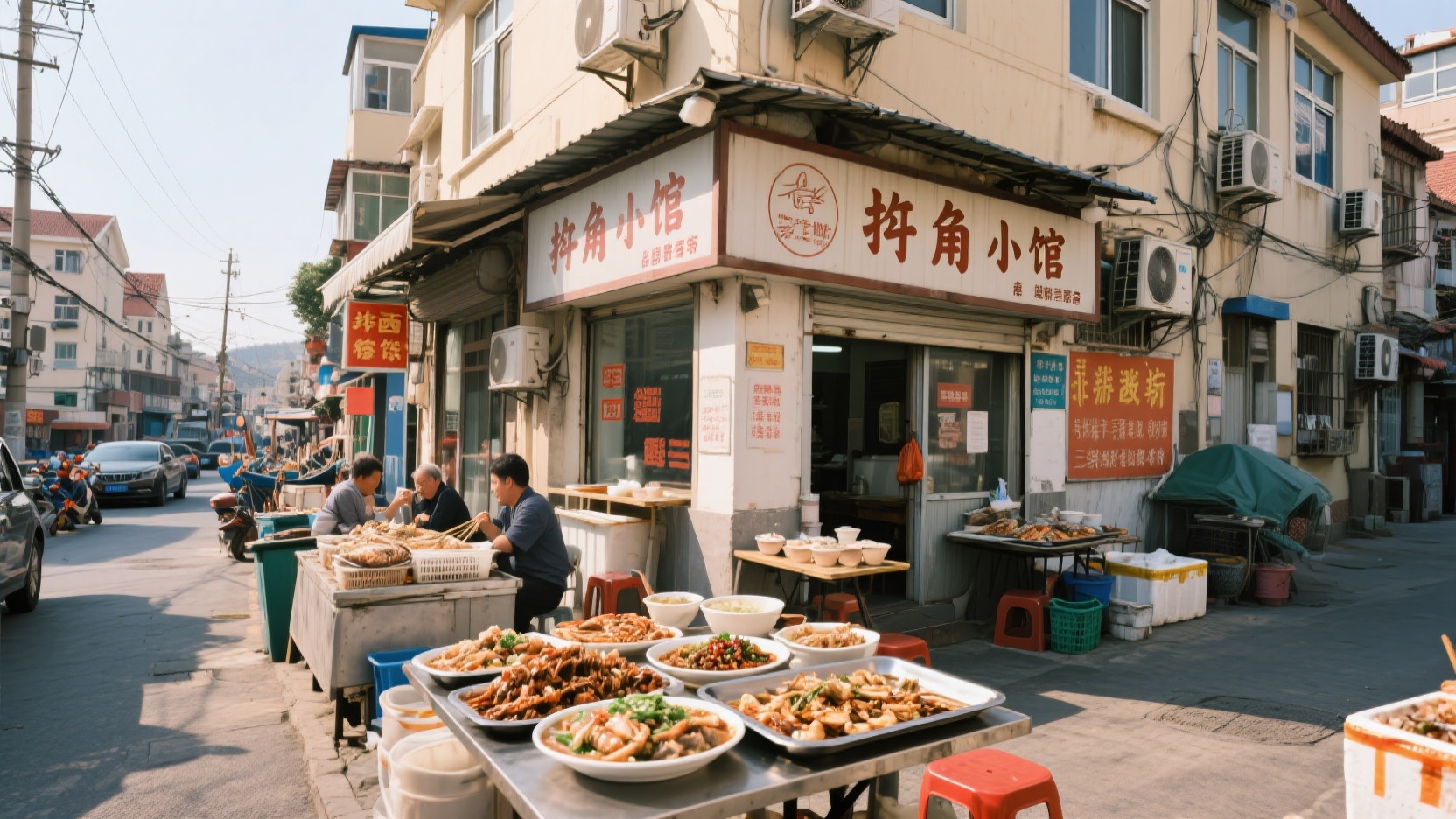
When dining in Qingdao, it's easy to get misled by keywords like "around Zhanqiao Pier" or "Taidong Pedestrian Street." After three trips to Qingdao to check out different places, I simply cleared out my must-eat list on my phone and focused on areas like Xizhen, Tuandao, Licang, and Shazikou—places where locals shop for groceries and commute to and from get off work. None of the eight restaurants below advertised anything, and some even had their signs obscured by trees, but at mealtimes, the tables outside were always full of local residents.
These restaurants generally have mediocre environments, service is mostly by shouting, don't expect to order by scanning a QR code, and some stalls even only accept cash. If you can accept this, then continue reading; if you're looking for air-conditioned private rooms and beautifully presented dishes, you can close this window now.
The smoky aroma of cooking in the old town of Xizhen: spicy stir-fried clams and potstickers
Xizhen is the culinary cornerstone of Qingdao's old city. Tourists head to Zhanqiao Pier, while locals wander into the old buildings along Feixian Road and Wenshui Road. My first visit to "Lao Cui's Stir-Fry" was at 1:30 PM, and there was still a wait. The restaurant doesn't have a menu; the dishes are written on a blackboard. The owner, Lao Cui, goes to Hongdao Island every morning to collect clams. Why it's worth the trip: his spicy stir-fried clams don't use fermented bean paste or oyster sauce, relying solely on scallions, ginger, dried chili peppers, and a touch of rice vinegar for flavor. The clam meat doesn't shrink, and the broth at the bottom of the plate is perfect for dipping steamed buns.
How to order the signature dishes: For the spicy stir-fried clams, be sure to ask "Are they fatty today?" If Lao Cui says yes, then order. Pair them with a side of seaweed jelly and a bowl of clam noodle soup; the noodle soup goes better with rice. What else can you buy along the way: Head west from here, and you'll find an old-fashioned pastry stall selling jujube paste pastries and shrimp pastries by weight; a bag of these back at the hotel is perfect for a late-night snack.
"Xizhen Pang Sao Potstickers," located in the same area, only serves breakfast and lunch. Their potstickers have a wonderful wok hei (wok aroma). The mackerel and chive filling better reflects the Qingdao flavor than the pork and seafood filling; the bottom is golden brown, and the filling is juicy when you bite into it. Don't order the platter; sticking to a single flavor is more reliable. The nearby community grain store sells freshly ground sesame paste and shrimp paste. The shrimp paste is quite salty, so just buy a small jar.
The unlicensed wonton stall downstairs in the old building in the north of the city: a secret code that only appears after nine o'clock.
The soul of Qingdao's late-night snacks isn't the seafood stalls, but the unlicensed wontons. I waited two nights in a row near Shaoxing Road in the North District before finally spotting that unmarked tricycle. The owners, a husband and wife, each took turns wrapping and cooking the wontons, generously adding dried shrimp, seaweed, and shredded egg. The broth was clear yet flavorful. Why it's worth going: There are many late-night food stalls in this area, but very few use pork bones to make the broth; most just use MSG water.
How to order signature dishes: A small bowl of wontons is enough; save room for the fried skewers. Chicken hearts, vegetarian chicken, and rice cakes are the three classic choices. For the sauce, remember to ask for "a mixture of jam and chili sauce," which is the local way of eating it. What else can you buy nearby: Grab an ice-cold bottle of Laoshan Cola from the convenience store next door; it's more refreshing than beer with fried skewers, especially in summer.
Avoid going within the first half hour after the stall opens, as the queue will be the longest. Wait until after 10 PM, when the first batch of customers have left, and the frying will be cooked more evenly.
Outside Tuandao Market: Eating cold noodles and pork cracklings with the auntie who was buying groceries
Tuandao Market is a staple for locals, and hidden around its perimeter are numerous small stalls where you can enjoy your meal standing up. "Old Liu's Seaweed Jelly" is sold from scratch, served in a small glass display case. The jelly, made with agar-agar, is homemade and has a more elastic texture than those found in tourist areas. It's topped with minced garlic, dried shrimp, cilantro, and rice vinegar. Why it's worth a visit: Qingdao jelly can be authentic or fake. Jelly made with agar-agar has tiny air pockets in its cross-section and is refreshingly cool without being powdery. When ordering, ask the owner to add extra garlic and dried shrimp.
What else can you buy along the way? Freshly made corn cakes and sun-dried mackerel are available at the market, perfect for pan-frying at home. "Lao Jiaodong Zhizha" across from the liangfen (cold mung bean jelly) stall is also worth checking out. Zhizha is a snack Qingdao locals have enjoyed since childhood. This stall offers leaner "crispy strips," fried to order, and doesn't sell resealable bags. How to order their signature dish: Ask the owner to weigh out freshly fried strips and eat them with onions or on their own. Don't buy the cold, pressed-out kind.
I recommend going to this area in the morning, when everything is available, and the cold noodles and pork cracklings are freshly made. Many stalls close early in the afternoon.
The casserole and crispy chicken of Licang Old Street: the perfect balance of flavors only found away from tourist areas.
Licang District is located in the northern part of Qingdao city, and very few tourists make a special trip there. A friend took me to "Lao Cangkou Casserole Restaurant" near Shengping Road. The storefront was so old that you couldn't tell its original color. This restaurant has been open for over twenty years and specializes in pork rib rice and casserole. Why it's worth going: chain pork rib rice restaurants often use a thick sauce, but this place has a clearer broth with the flavors of ginseng and goji berries, and the pork ribs are stewed until they fall off the bone easily.
How to order the signature dishes: You can combine the pork ribs and spare ribs, but be sure to add a side of cabbage and tofu so the tofu can soak up the broth. Eating rice with the broth is even more satisfying than eating the meat alone. What else can you buy nearby: Head east, there's a honey bread shop with a thick caramel crust on the bottom; they sell it by the bag and it's best eaten hot.
The "Lao Cang Kou Crispy Chicken" in the same area makes traditional crispy chicken, sold in half-chicken portions. The skin is so crispy it crumbles, and the meat is tender. The salt and pepper are packaged separately; don't sprinkle them directly on, or it will be too salty. Half a chicken is suitable for two to three people, so don't order too much. There are handmade "gangtou" baked buns nearby; buy two to go with the chicken, or take them home as snacks.
Shazikou Wharf: As soon as the boat docks, you can eat whatever's available.
If you only visit downtown Qingdao, you'll miss the fresh seafood at Shazikou Wharf. On my third visit, I specifically went at 3 PM. There's a row of blue sheds along the wharf, and "Xiao Qingdao Fisherman's House" among them doesn't have a formal menu. The owner, Lao Liu, goes to collect the catch every day as soon as the fishing boats dock, so the menu changes daily. Why it's worth going: It's truly "dock-to-table," and the freshness of the seafood is a level above what you'd find in city restaurants.
What to order for signature dishes: Don't ask about signature dishes, just ask "What seafood do you have today?" Stewed small yellow croaker, stir-fried mantis shrimp with chives, boiled oysters in salt water – order whatever's available. For a main course, sweet potato noodles are a must. What else can you buy nearby: There are stalls selling fresh kelp and wakame seaweed near the pier; dried goods are convenient and make good souvenirs.
Check the weather forecast before you go; if it's windy and the fishing boats aren't out at sea, the shops might be closed. The best time is between 4 PM and 6 PM; if it's too late, the good stuff will be sold out.
Finally, let's get down to business.
These eight shops aren't for everyone. They lack a decent environment, and some don't even have fixed opening hours. But it's precisely this instability that preserves the authentic flavors of Qingdao's community kitchens and dockside stalls. After visiting three times, my biggest takeaway is that the truly delicious food in Qingdao is often hidden on the outskirts of the markets, under old residential buildings, and along the docks, not on tourist billboards.
Three things to avoid: First, avoid peak meal times: On weekdays, try to go before 11:30 AM or after 1:30 PM for lunch, and go to night market stalls half an hour after they set up, otherwise the queues will wear down your patience. Second, don't just order the signature dishes: Seafood and fried foods tend to be salty; pairing them with cold noodles, millet porridge, Laoshan Cola, or small cold dishes will be more comfortable for your taste and stomach. Third, remember to bring cash: Some stalls outside Tuandao Market, at the pier, and at the unlicensed wonton stalls still only accept cash, so it's always good to have some change on hand.
If time is limited, I suggest combining different areas: dedicate one day to the two restaurants in Xizhen and the Tuandao Market, another day to the late-night snacks in Licang and Shibei districts, and half a day to Shazikou. Eating your way through these areas will likely give you a better understanding of Qingdao than simply following a list of popular tourist destinations.