
Jincheng Foodie Adventures | In-depth Analysis of Authentic Lanzhou Cuisine and a Guide to Avoiding Pitfalls
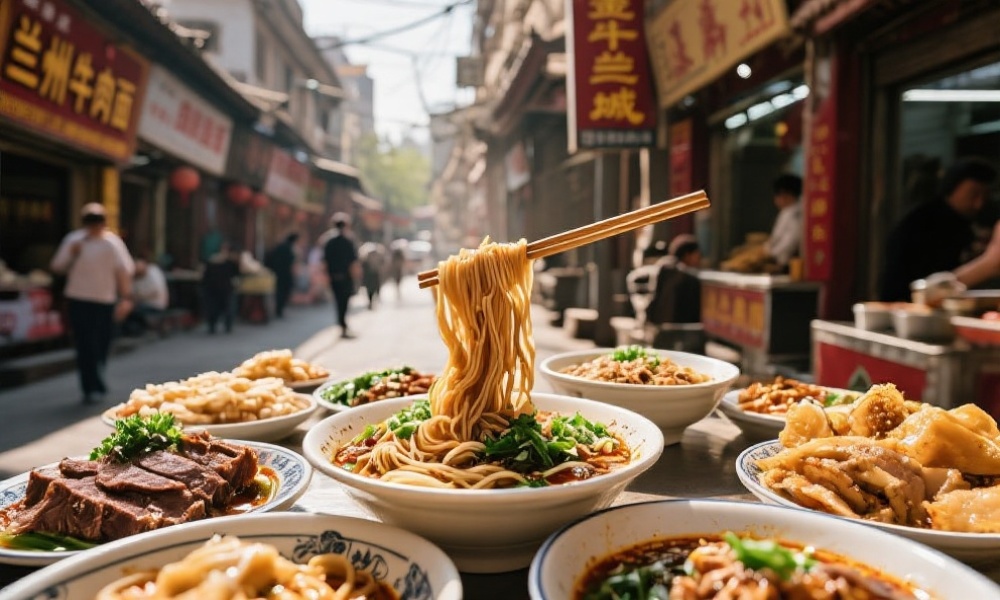
Lanzhou, a vital northwestern city nourished by the Yellow River, boasts a culinary culture far more complex than just a bowl of beef noodles. It's a tapestry of flavors, a tapestry woven from diverse ethnic customs, local produce, and rich historical heritage. As a seasoned destination columnist for XOOTOUR, this article will delve into the authentic flavors of Lanzhou, helping you avoid the superficial and reach the heart of the city's culinary delights.
Must-try signature dishes list
Lanzhou's cuisine, with its unique Northwest flavor and solid ingredient expertise, has built a complete system of flavor profiles.
Lanzhou beef noodles: undoubtedly the soul of this city. Its essence lies in "one clear, two white, three red, four green, and five yellow": a clear broth, white radish slices, bright red chili oil, vibrant green cilantro and garlic sprouts, and chewy, bright yellow noodles. There are many varieties of noodles, from the hair-thin "maoxi" to the belt-wide "dakuan," each offering a different texture and flavor. Enjoying beef noodles is not just about filling your stomach, but also about experiencing the respect Lanzhou people have for the ritual of breakfast.
Fermented vegetable soup noodles: Unlike the hearty flavor of beef noodles, fermented vegetable soup noodles are a refreshing summer treat with their unique tangy taste. It's made with a broth derived from fermented vegetable leaves (usually celery, radish greens, etc.), and served with hand-pulled noodles, tiger-skin chili peppers, and chive blossoms. Slightly sour and refreshing, it's a favorite home-style flavor among locals.
Liangpi: A cold snack commonly found on the streets and alleys of Lanzhou. Made from wheat flour, it has a chewy and smooth texture. Common varieties include "Gaodan Liangpi" and "Jingfen Liangpi," served with garlic sauce, vinegar, chili oil, sesame paste, and other seasonings. It is spicy, savory, and flavorful, with a rich and complex flavor profile, making it an ideal choice for afternoon tea or a late-night snack.
Sweet fermented barley: A type of sweet snack made from fermented oats or barley. It resembles fermented rice wine in appearance but has a chewier texture and a slightly sweet taste with a hint of alcohol. Eaten chilled, it's refreshing and thirst-quenching, a unique way for Lanzhou locals to beat the summer heat.
Gray Beans: Made from locally unique gray beans (a type of small lentils), simmered with red dates, white sugar, and other ingredients until the beans are soft, sticky, and sweet. The broth is thick and has a warm, smooth texture, making it a comforting and stomach-warming dessert in winter, and it is also often served as a breakfast accompaniment.
Milk and Egg Rice Wine: A star product of Zhengning Road Night Market. Rice wine (fermented glutinous rice) is cooked with milk and eggs, then topped with chopped walnuts, raisins, peanuts, etc., resulting in a rich, sweet, and complex flavor. Steaming hot, sweet but not cloying, it's a popular choice at nighttime food stalls.
Hand-pulled mutton: As a major city in Northwest China, Lanzhou has mutton as a staple on its dining tables. Hand-pulled mutton uses bone-in mutton, boiled in water until tender, with minimal seasoning, only salt and garlic cloves. This method preserves the original flavor of the mutton to the greatest extent, resulting in tender, juicy meat that is not greasy.
Grilled lamb skewers: Lanzhou's grilled lamb skewers blend Xinjiang and local flavors. The pieces of meat are of moderate size, with a good balance of lean and fat. They are sprinkled with cumin, chili powder and other seasonings, and grilled over charcoal. The aroma is irresistible, making them the absolute star of night markets and barbecue stalls.
Local favorites for food
To experience the most authentic Lanzhou cuisine, the key is to immerse yourself in the local residents' living areas. These places often lack fancy decorations, but they hold the purest flavors.
Dazhong Lane: This historic lane is a living fossil of Lanzhou's cuisine. It's home to many renowned beef noodle shops, such as Ma Zilu and Wu Mule. Although some shops have become more tourist-oriented, their traditional craftsmanship and flavors are still worth trying. Besides beef noodles, you can also find many other local snacks.
Zhengning Road Night Market: Despite its fame and popularity attracting many tourists, Zhengning Road Night Market remains an important part of Lanzhou's nightlife. Especially noteworthy is its signature milk and egg fermented rice soup, with each stall offering its own unique flavor. In addition, a wide variety of snacks such as grilled meat skewers, liangpi (cold skin noodles), and sweet fermented rice are available, making it an excellent place to experience the vibrant atmosphere of Lanzhou's night markets.
The area around Xiguan Cross: As one of the core areas of downtown Lanzhou, the streets and alleys around Xiguan Cross are home to a large number of restaurants catering to local residents. These shops are often inconspicuous, but have excellent reputations and are a treasure trove for finding authentic home-style dishes and local snacks.
Qilihe District and Anning District: If you want to escape the hustle and bustle of the city center, venture into the residential areas of Qilihe District or Anning District. You'll discover more unpretentious, affordable local shops. Restaurants in these areas primarily serve the local residents, offering authentic flavors and making them an ideal choice for experiencing Lanzhou's everyday food culture.
Tips for avoiding overpriced and overpriced shops and tourist attractions
In this age of information overload, knowing how to distinguish between genuine and fake information and avoid making mistakes is an essential skill for every food explorer.
Identifying Trendy Restaurants: Lanzhou also has its share of over-hyped "trendy" restaurants. They typically boast elaborate decor, exaggerated advertising, and dishes designed for photo ops. Criteria for judging their quality include: whether they excessively emphasize being a "century-old establishment" without a sense of historical depth, whether their menus are overly flashy, and whether they have a small number of local elderly customers. Truly authentic Lanzhou restaurants often have simple decor, primarily catering to locals, and even during off-peak hours, they still attract a steady stream of diners.
Avoid tourist trap pricing: Restaurants located inside or near tourist attractions such as Baitashan Park and the Yellow River Mother Sculpture often have inflated prices and mediocre taste. It's recommended to choose restaurants within a 10-15 minute walk of residential areas while visiting these attractions. Generally, the further the walk, the more reasonable the prices and the more authentic the food.
Observe local foot traffic: This is the most effective way to avoid pitfalls. Whether it's a breakfast shop, lunch restaurant, or night market stall, choosing those with long queues of locals or packed seats during mealtimes is usually a safe bet. Local residents have the most direct judgment on taste and value for money; their choices are the best indicator.
Price reference: A bowl of authentic Lanzhou beef noodles typically costs between 10 and 15 RMB. Be cautious if the price exceeds this range and there are no special ingredients or services offered. Other snacks such as liangpi (cold skin noodles) and sweet fermented rice are also mostly priced around 5-10 RMB. Knowing the general price range will help you avoid being overcharged.
Communication and Ordering: Many authentic local restaurants may not have English menus, or even detailed Chinese menus. Learning the pronunciation of some simple dish names, or simply pointing to the dishes at neighboring tables, is a good way to immerse yourself in the local food culture. Restaurant owners are usually hospitable and will patiently answer your questions.
In Lanzhou, every bite of food carries the city's history and passion. Slow down, savor the unique local flavors of Lanzhou, and you'll create an unforgettable culinary experience.