
A Guide to the Hidden Gems of Jinan's Alleys: A List of Lesser-Known Restaurants: Tested by a Blogger After Three Trips (Including 3 Tips to Avoid Pitfalls)
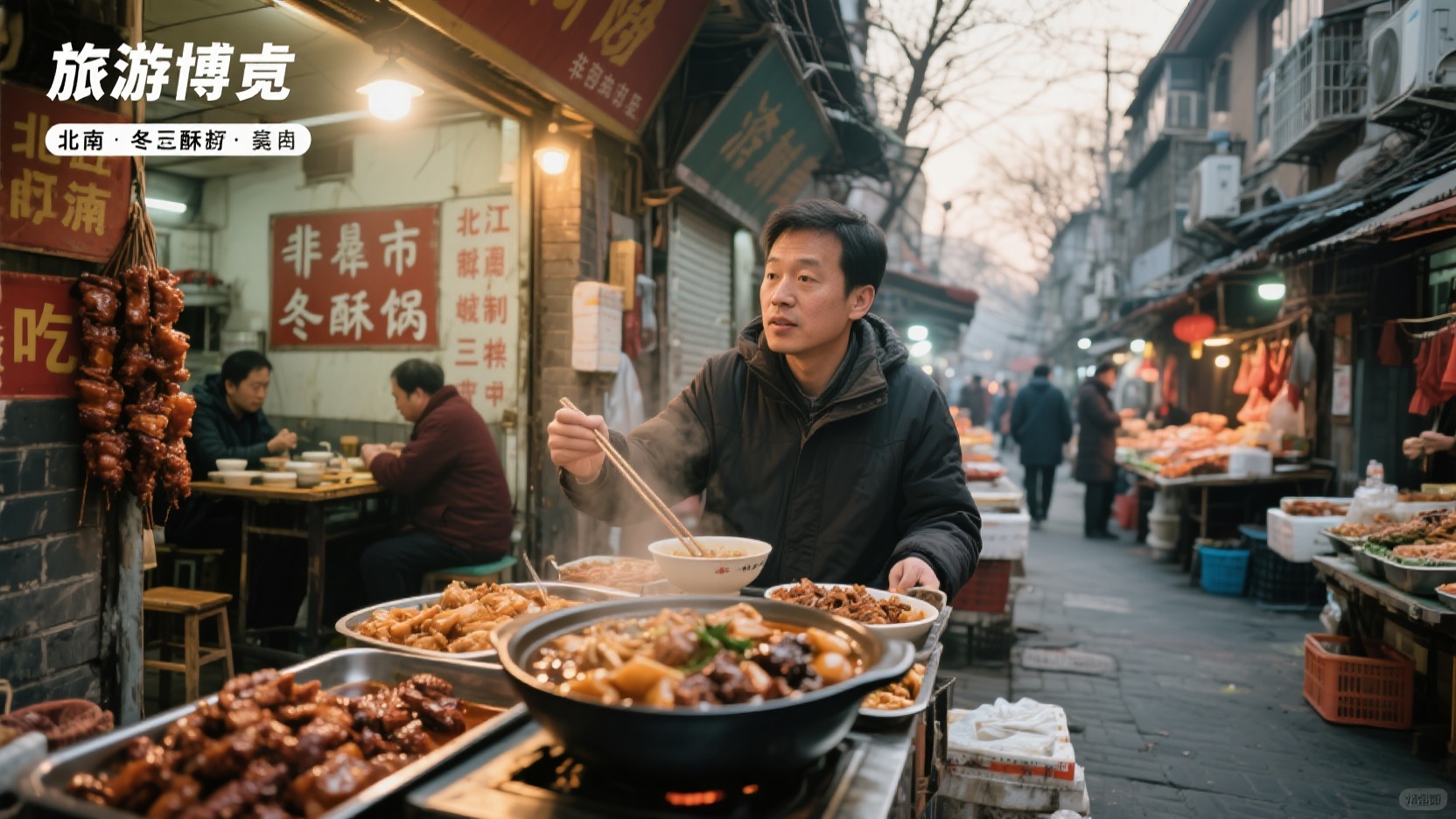
During my three trips to Jinan, I deleted most of the restaurants marked "must-eat" or "queue king" from my favorites. It wasn't because they weren't good, but because the truly addictive flavors of Jinan are often hidden in the windows of ground-floor apartments in old residential buildings, at folding tables in morning markets, and in alleyways where the lights don't come on until after 9 pm. None of the restaurants on this list are marketed or on any must-eat lists; they're all places I discovered by eating my way through the food scene, following the clues given to me by local gourmets.
After three visits to scout out the locations, I've already ruled out half of the "trendy shops."
The first time I went, I ate at two restaurants listed on my phone, waiting in line for forty minutes. The taste was acceptable, but an old man at the next table commented, "This can be considered Jinan flavor?" which made me rethink my approach. The second time, I specifically ventured into old neighborhoods like Beitan, Zhijinshi, and Dianliuzhuang at 6:00 AM, 11:30 AM, and 9:30 PM, looking for restaurants with faded signs and menus pasted on the walls. The third time was a repeat visit, and I only wrote about it after confirming the quality was consistent. The selection criteria were straightforward: no marketing, not on must-eat lists, and the owner or regular customers could tell me "what's good about this hot pot today."
Braised pork belly and stir-fried chicken: Two lights in a late-night neighborhood
In the Zhijinshi residential area, there's a small shop that only has a sign that says "Braised Pork Belly," with no formal menu. A huge pot of pork stews from afternoon until late at night. Why it's worth a visit: their braised pork belly is thickly sliced with skin, so tender it trembles when picked up with chopsticks, rich but not greasy, with a savory sauce and a hint of medicinal herbs. How to order: Don't just order the lean meat; be sure to choose the "fatter with skin" cut, and ask the owner to add an extra spoonful of broth. Serve with a bowl of rice and a piece of fried tofu. You can also buy something nearby: after 8 PM at the north gate of the residential area, there's a stall selling freshly fried lotus root slices. Buy two and stuff them with rice—a local secret.
There's a stir-fried chicken shop downstairs in the Dianliuzhuang residential building, only open for dinner and late-night snacks. There are more plastic stools than tables outside. Why it's worth a visit: The chicken pieces are stir-fried with soy sauce, then simmered with green peppers and garlic cloves; the broth is so thick it clings to the spoon. What to order: The stir-fried chicken starts at medium spicy. Halfway through, add a serving of hand-pulled noodles and mix it into the broth—it's even more delicious than eating the chicken alone. What to buy nearby: The convenience store next door sells draft beer from Baotu Spring, served in plastic cups, which is perfect for cutting through the richness of the stir-fried chicken.
Breakfast and morning market: Besides sweet millet porridge and fried dough twists, locals prefer these two stalls.
The sweet porridge stall near Beitan Market only stays open until 9 AM, closing as soon as it sells out. Why it's worth a visit: Sweet porridge is the soul of Jinan breakfast, and this stall is generous with peanuts, tofu skin, and chopped spinach, with just the right amount of ginger and pepper. What to order: Order a bowl of sweet porridge with freshly fried dough sticks or fried dough twists. Break the twists into pieces and soak them in the porridge; they're best when they're half-crispy and half-soft. Nearby: There's a stall in the market's cooked food section that sells pickled cucumbers and pickled shredded vegetables. Buy a small bag to take home; they're perfect with porridge.
When the Hero Mountain morning market is open, the elderly couple never stop making fried dough twists. Why it's worth a visit: Fried dough twists are a traditional Jinan pastry, and the aroma of their scallion oil wafts across half the street. The crust is crispy yet not hard. How to order: Freshly made, wait three minutes, then tear open the layers while it's still hot; don't put it in a bag. A convenient side shop: The spring water tofu from the tofu stall at the morning market is still steaming hot. Cut a small piece and eat it directly; it's full of bean flavor and sweetness.
Main meals and appetizers: The authentic flavors of old-style Shandong cuisine found in residential buildings
There's a mutton soup restaurant on Tongyuanju Street, its sign simply reading "Shanxian Mutton Soup." Why it's worth a visit: the soup is simmered every morning starting at dawn, rich in color but not cloudy, and the mutton slices are generously portioned. How to order: the mutton soup is served with freshly baked sesame flatbread. First, drink the broth, then add chili oil and vinegar yourself. A convenient side street food stall: the braised lamb trotters at the street corner are incredibly tender. Buy one and enjoy it while waiting for your soup—a truly authentic Jinan experience.
In the Xixiang community of the county, there's a potsticker shop that only sells two fillings: chives and pork, and fennel and egg. Why it's worth a visit: the potstickers are so crispy you can hear them crackling, and the dough is semi-scalded, so they don't harden even when cooled. How to order: order half of each filling at once, and wait until the crispy crust on the bottom of the pot comes out before asking the chef to remove it; don't rush them. Nearby: in autumn and winter, they sell roasted chestnuts at the alley entrance; buy a bag, peel them while they're hot, and enjoy the sweet and savory flavors with the potstickers.
I bought this from a small window shop on my way: a winter-limited crispy pot.
Behind Hongjialou Church, there's a small street where a mobile crispy pot vendor only operates until the Lunar New Year after the start of winter. Why it's worth a visit: Jinan crispy pot is best enjoyed in winter. This vendor's kelp, lotus root, and tofu are soaked in a sweet and sour sauce, making it even more satisfying cold than hot. How to order: Ask the owner for extra kelp and lotus root, and a spoonful of the frozen sauce at the bottom of the pot. Nearby: The radish balls from a nearby fried food stall are fresh out of the fryer, crispy with a sweet radish flavor.
Blogger's Summary and Practical Tips
These seven restaurants don't have fancy storefronts or endorsements from must-eat lists, but they've won over the daily stomachs of Jinan locals. If it's your first time visiting Jinan, I suggest allocating two mornings and one late night, exploring different areas one by one, and not trying to do too much at once.
Three tips to avoid these pitfalls. First, avoid peak meal times: these older shops are small and slow to prepare food, so 11:30 am and 7 pm are the most crowded times with nearby office workers. Going out of the peak hours allows you to chat with the owner. Second, don't just order the signature dishes: braised pork with fried tofu, stir-fried chicken with hand-pulled noodles, sweet porridge with fried dough sticks—many hidden ways to enjoy these dishes rely on combinations. Ordering them individually will lack variety. Third, remember to bring some cash: some vendors are elderly and only accept cash or are not familiar with QR code payments, so it's safest to have a few dozen yuan in your pocket.