
Culinary Delights of Hohhot | Delving into the heart of Hohhot to discover the secrets of authentic local flavors
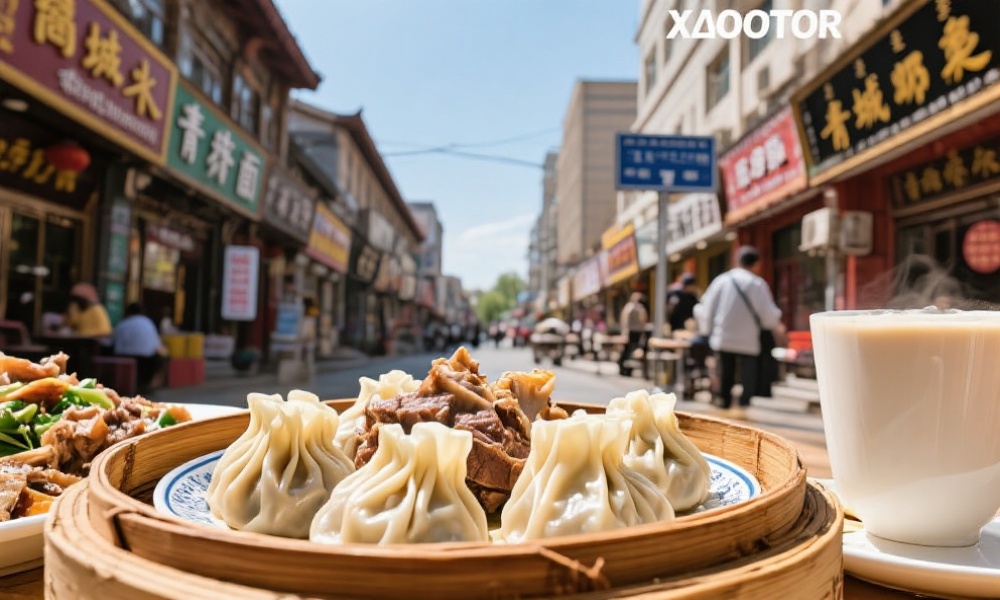
Hohhot, the capital of Inner Mongolia, known as the "Green City," is not only a crossroads of history and culture but also a culinary treasure trove born from the collision of northern nomadic peoples and agricultural civilization. Its food culture is deeply influenced by Mongolian traditions and Hui flavors, forming a unique northern cuisine. For travelers seeking a deeper culinary experience, Hohhot offers a series of authentic local flavors not to be missed, worth savoring one by one.
Must-try signature dishes list
Hohhot's cuisine centers on beef, mutton, and dairy products, supplemented by whole grains and noodles, resulting in rich flavors and the original taste of the ingredients.
Shaomai (steamed dumplings) : Shaomai is one of the most representative local snacks in Hohhot. Unlike the delicate shaomai of the south, the shaomai here is mainly filled with mutton and scallions, with a paper-thin wrapper, a generous filling, and abundant juice. After steaming, it resembles a pomegranate, is crystal clear, and has a rich meaty aroma without any gamey or muttony smell. Paired with a bowl of brick tea or mutton offal soup, it is a top choice for locals' breakfast. Its characteristics lie in the purity of the filling and the deliciousness of the mutton, and it is usually sold in units of 50 grams.
Hand-pulled mutton (Shǒubāròu) : As the most traditional Mongolian dish for entertaining guests, hand-pulled mutton is the essence of Hohhot's cuisine. It uses lamb with a good balance of lean and fat, boiled in plain water until it's about 80-90% cooked without any seasoning, preserving the original flavor of the mutton to the maximum extent. It's eaten by cutting it with a Mongolian knife and dipping it in a sauce made with chive blossoms, wild onions, fermented bean curd, and other ingredients. The meat is tender and juicy, rich but not greasy, making it the best way to experience Mongolian culinary culture.
Lamb Offal Soup (Yángzásuì) : The lamb offal soup of Hohhot is renowned for its clear broth and rich flavor. It is primarily made from various lamb offal, including head, stomach, liver, lungs, and intestines, and is served with scallions, cilantro, chili oil, and other seasonings. A bowl of steaming hot lamb offal soup not only warms the stomach and dispels the cold, but also allows one to savor the unique freshness and rich texture of the lamb, making it a popular breakfast and late-night snack for locals.
Bèizi : Bèizi is a unique type of pasta in Hohhot, resembling a baked flatbread in appearance but with a crispier texture. There are sweet, savory, and plain Bèizi. Sweet Bèizi contains a sugar filling and is sweet and delicious; savory Bèizi has a peppery and salty flavor, crispy on the outside and soft on the inside; plain Bèizi has no filling and can be eaten with other dishes. Bèizi is usually eaten as a staple food for breakfast, or paired with milk tea or mutton offal soup, and is an indispensable part of the daily life of local residents.
Salty Milk Tea (Xiánnǎichá) : Completely different from the sweet milk tea of southern China, Hohhot's milk tea is salty. It's made with brick tea and fresh milk, with a touch of salt, resulting in a rich and mellow flavor, combining the fragrance of tea with the sweetness of milk. Often served with fried rice, milk curd, and dried meat, it's both refreshing and energizing, a daily drink for Mongolians and an important part of experiencing the local lifestyle.
Oat noodles (莜面) : Oat noodles are an important coarse grain crop in Inner Mongolia, made from oats. In Hohhot, the preparation methods for oat noodles are diverse, with common varieties including oat noodle fish (莜面鱼鱼), oat noodle nests (莜面窝窝), and oat noodle he luo (莜面鸹). They are characterized by their chewy texture and rich nutrition, and are typically served with mutton sauce, mushroom sauce, or various vegetable gravy. Oat noodle fish (莜面鱼鱼) resemble small fish, while oat nests (莜面窝窝) are shaped like honeycombs, making them both visually appealing and delicious—a healthy and locally distinctive staple food.
Lamb skewers (Yángròuchuàn) : Although lamb skewers are found throughout China, those from Hohhot are particularly delicious due to their high-quality lamb and unique grilling techniques. Made with fresh, perfectly marbled lamb, they are grilled over charcoal and sprinkled with cumin and chili powder, resulting in a crispy exterior and tender interior, bursting with aroma. Authentic Hohhot lamb skewers can be found at street stalls and barbecue restaurants.
Local favorites for food
To truly experience the authentic cuisine of Hohhot, it's key to avoid tourist hotspots and head to the streets frequented by locals.
The area surrounding Dazhao Temple : Centered on Dazhao Temple, radiating outwards to areas like Sai Shang Old Street and Kuan Alley, this is Hohhot's historical and cultural district. It's home to numerous time-honored brands and traditional snack shops, such as shaomai (steamed dumpling) shops, baked bun shops, and mutton offal soup shops. Many of these shops have been passed down through generations, preserving the most traditional production techniques and flavors. Dining in this area not only allows you to enjoy delicious food but also lets you immerse yourself in a rich historical atmosphere.
The Muslim Quarter (around the Grand Mosque) : Centered around the Grand Mosque, the Muslim Quarter is the main area for Muslim residents in Hohhot. The food here primarily features halal beef and mutton products, offering authentic halal shaomai (steamed dumplings), mutton stew, beef patties, and more. The shops are typically run by Hui families, ensuring fresh ingredients and authentic flavors, making it an ideal place to enjoy halal cuisine.
Shidong Road Night Market : As night falls, Shidong Road transforms into one of Hohhot's most vibrant night markets. It's a bustling hub of barbecue, snacks, and drinks stalls, brimming with lively atmosphere. From lamb skewers and grilled gluten to spicy hot pot, it offers a wide variety of options, making it a great place to experience Hohhot's nightlife and street food. Affordable prices and a diverse selection make it a popular spot for local young people and families.
Around university towns (such as near Inner Mongolia University and Inner Mongolia Normal University) : The dining options around university towns are diverse and generally more affordable. There are not only fast food and snacks catering to students, but also many authentic home-style restaurants. While it may lack the charm of an old street, you can enjoy local specialties in a more economical way.
Tips for avoiding overpriced and overpriced shops and tourist attractions
When exploring the culinary scene in Hohhot, making rational choices and avoiding unnecessary consumer traps is crucial.
Identifying Popular Restaurants : Some "Instagrammable" restaurants promoted through social media may suffer from over-packaging, mediocre taste, inflated prices, and excessively long queues. It's recommended to check genuine user reviews on local service platforms before choosing a popular restaurant, paying particular attention to feedback from local diners, rather than relying solely on tourist recommendations. Often, established restaurants with small, unpretentious storefronts but consistently packed with customers are more representative of the true quality of local cuisine.
Restaurants in tourist areas often have higher prices than those in the city, and their flavors may be compromised to cater to a wider audience, losing their authentic taste. For example, dining inside or near popular attractions like Dazhao Temple and Zhaojun Museum usually results in higher prices. It is recommended that tourists plan their meals in advance before visiting tourist areas, trying to choose restaurants outside the scenic area or in nearby residential areas. These restaurants offer better value and more authentic flavors, and can be found within a few hundred meters of walking or by short-distance transportation.
Price Reference and Comparison : Before ordering, observe the menu prices and compare them with similar shops. For stalls without clearly marked prices, it's advisable to inquire beforehand. In Hohhot, the reasonable price range for a basket of shumai, a serving of lamb offal soup, or a bowl of oat noodles is relatively fixed. If the price is significantly higher, choose with caution.
Hygiene considerations : Whether choosing an established shop, a new shop, or a night market stall, food hygiene is always the primary consideration. Observe the shop's hygiene, the freshness of the ingredients, and the cleanliness of the tableware. Choose vendors that appear clean, tidy, and operate according to regulations.
Hohhot's culinary scene extends far beyond what's shown here; each dish embodies the city's history and charm. Slow down, savor the everyday life of Hohhot, and experience the unique allure of this "Green City."