
Harbin: A Deep Dive into the Diverse Culture and Arts of the Ice City
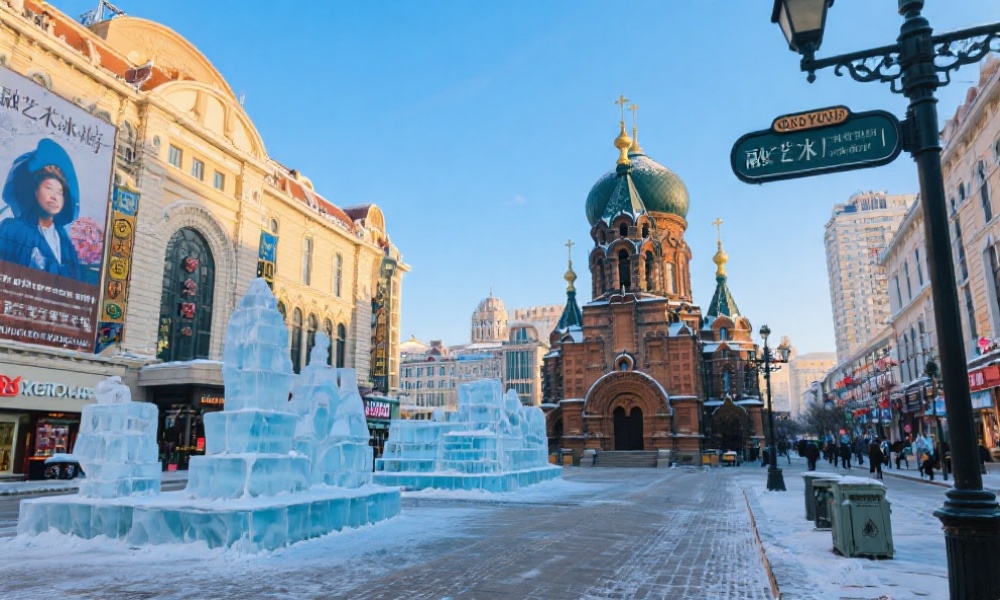
Harbin, a city hailed as the "Oriental Moscow" and the "Oriental Paris," boasts a unique geographical location and historical development that have shaped its urban fabric, a blend of Eastern and Western cultures. It is not only renowned for its ice and snow, but also attracts global attention with its profound historical heritage, diverse architectural art, and vibrant cultural pulse. This column will plan an in-depth cultural and artistic journey, guiding you beyond superficial visits to immerse you in the essence of Harbin's culture and art.
Architectural Epic and Echoes of Faith
A cultural and artistic journey through Harbin often begins with its iconic architectural complex. St. Sophia Cathedral , this magnificent Byzantine-style building, is a silent witness to Harbin's history. Once the largest Orthodox church in the Far East, it has now been transformed into the Harbin Architectural Art Museum, showcasing the city's unique architectural evolution. Stepping inside, one can not only experience its solemn religious atmosphere but also learn about Harbin's historical origins as a melting pot of multiple ethnicities and religions. Its classic red brick and green roof image is not only a paradise for photographers but also a starting point for understanding the spirit of Harbin.
Central Street , adjacent to St. Sophia Cathedral, is a living history of European architecture. This century-old street brings together architectural masterpieces of various styles, including Renaissance, Baroque, Eclecticism, and Art Nouveau, each building carrying a historical story. Strolling here shouldn't be limited to shopping; one should slow down, savor the facade decorations and window carvings of each building, and feel the bustling past and cultural fusion of Harbin as an important commercial port in the Far East. It is not only a commercial street, but also an open-air museum of Harbin's urban culture and architectural art.
Historical memory and community imprint
Harbin's diverse culture extends far beyond its Russian influence. The Harbin Jewish History and Culture Museum (formerly the Harbin Jewish Synagogue) serves as a unique landmark revealing the city's deep history. In the early 20th century, Harbin was one of the most important Jewish communities in the Far East, where they established a well-developed community system that profoundly impacted Harbin's economy, culture, and education. Through a wealth of historical materials, artifacts, and photographs, the museum tells the story of these unique immigrants' struggles and contributions in Harbin, and their intertwined history with the city. A visit here offers a more comprehensive understanding of Harbin's inclusiveness and complexity as an international metropolis.
To gain a more comprehensive understanding of Harbin and the Northeast region it encompasses, the Heilongjiang Provincial Museum is an indispensable stop. As the only provincial-level comprehensive museum in Heilongjiang Province, it houses a rich collection of artifacts from the Paleolithic era to modern times, covering multiple fields such as nature, history, and ethnic customs. Through a systematic visit, visitors can learn about the unique natural geographical environment of Heilongjiang, the cultural heritage of ancient ethnic groups (such as the fish-skin culture of the Hezhe people and the birch-bark culture of the Oroqen people), and the development and changes in Northeast China since modern times. This provides a solid background for understanding the regional cultural characteristics of Harbin.
Modern Artistic Concepts and the Essence of Ice and Snow
The artistic pulse of Harbin resonates not only in its historical buildings but also pulsates on modern stages. The Harbin Grand Theatre , hailed as the "Light of the North," with its streamlined design inspired by the natural forms of ice and snow, has become a new cultural landmark of the city. It is not only a venue for top international performing arts groups but also a symbol of Harbin's modern artistic spirit. If you have the opportunity, consider enjoying an opera, dance drama, or concert here to experience the vitality and international perspective of the Ice City in the performing arts.
Meanwhile, as a "city of music," Harbin also boasts the Harbin Concert Hall , which plays a vital role in the city's cultural landscape. The hall regularly hosts various classical music concerts and chamber music performances, infusing the city with the vitality of high art. Experiencing Harbin's musical culture is another way to appreciate its artistic spirit.
Finally, we must mention Harbin's most representative intangible cultural heritage— ice and snow art . While the Ice and Snow World and the Ice Lantern Festival are seasonal attractions, ice and snow sculpture, as a unique art form, has long been integrated into the very fabric of Harbin. It's not merely winter entertainment, but a masterful use and aesthetic creation of natural elements. Artists use ice as bricks and snow as tiles to sculpt crystal-clear and magnificent works of art. Even outside of winter, visiting through pictures, videos, or related exhibitions to understand the exquisite techniques and cultural connotations of ice and snow art offers a profound experience of Harbin's unique artistic charm. This creativity in solidifying nature into art is a true reflection of the Harbin spirit.
A cultural and artistic journey through Harbin is a dialogue across time and space, a meeting of Eastern and Western civilizations. Slow down and delve deeper, and you'll discover that this ice city is far more vibrant and diverse than you imagined, brimming with artistic details and human stories worth exploring.