
Don't buy tickets in Guiyang | Local testimonial: 4-day free tour, a real alternative to trendy tourist spots – don't be fooled by guides!
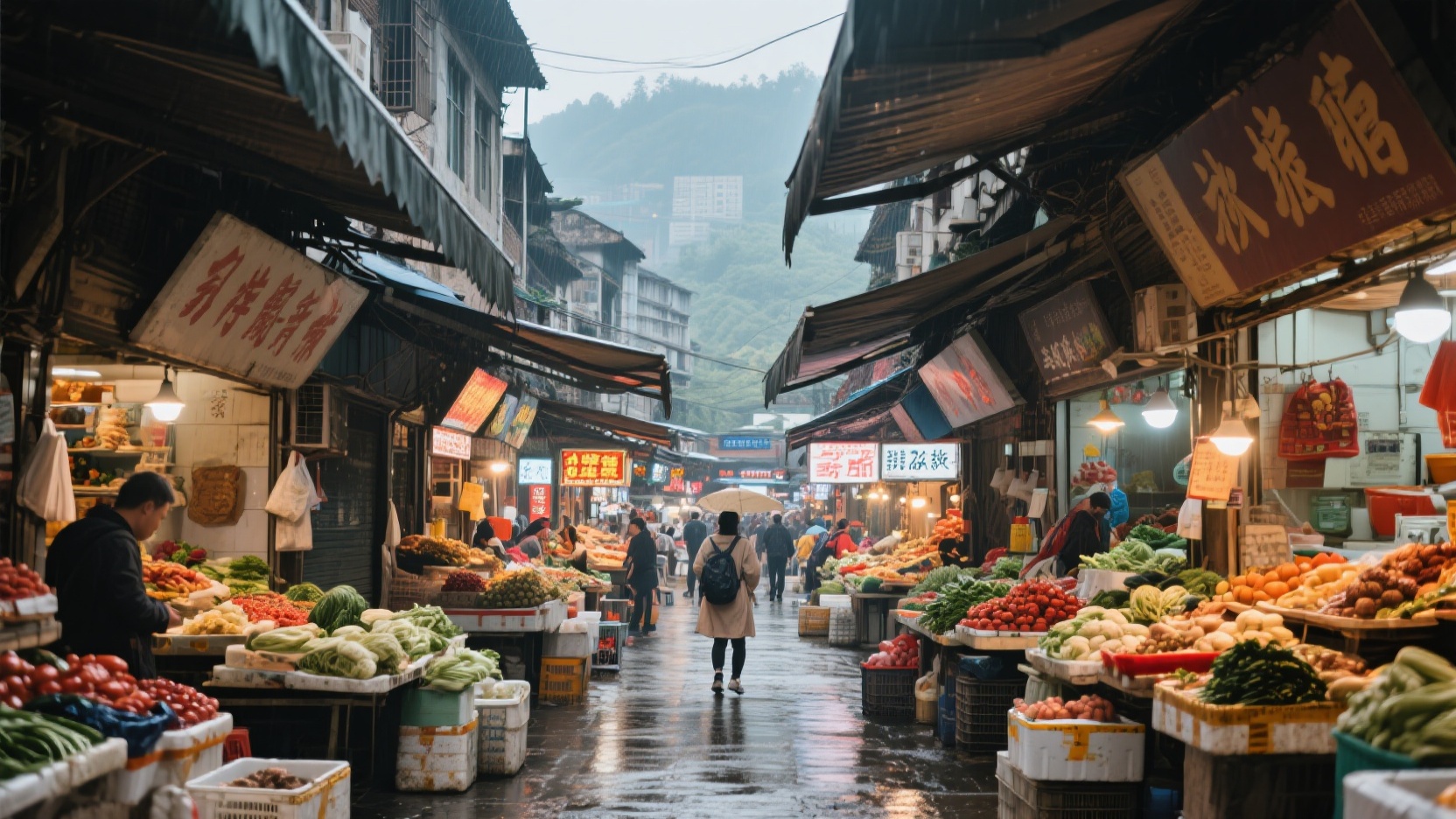
Having lived in Guiyang for seven years, the biggest pitfall I encountered while accompanying friends from out of town wasn't being ripped off, but rather paying for a ticket only to discover that the view from the alley across the street was even better, as it was free.
Guiyang is not a place for sightseeing tours. Its charm lies in the aroma of chili oil in the vegetable markets, the affordable grilled tofu stalls near the university gates, and the elderly playing cards under the red brick walls of the old factory area. This post doesn't include Qingyan Ancient Town, Tianhetan, or good night view spots at Jiaxiu Tower; it only offers a four-day, zero-entrance-fee itinerary that I've personally tested countless times.
Day 1: Spend your morning at the local market; it's closer to Guiyang than visiting an ancient town.
Don't bother queuing at the Erqi Road snack street; that's where tourists complete their "been there" mission. Locals in Guiyang typically start their mornings at the Hongbianmen, Guiwu Road, or Youzha Street vegetable markets. Before 8 a.m., the stalls selling glutinous rice at the market entrance are surrounded by office workers, and the lady selling houttuynia cordata next door will tell you directly whether the bracken fern is old or not.
My usual route is to walk through the outer perimeter of the Guigang Flower and Bird Market on Youzha Street, first looking around at the flowers, birds, fish, and insects, then going around to the back half of the market to eat vegetarian rice noodles. There are no entrance fees here, and no performative "old street" shows, only the pungent aroma of chili peppers and vendors asking you "soft or crispy pork rinds?" A meal costs only a few dozen yuan per person, which is enough for a very substantial meal.
If you're worried about the market being chaotic, go a little later. After 10 a.m., the morning rush has passed, and you can see the local aunties slowly selecting beans and rice and haggling with the vendors in a genuine, authentic way. There aren't any photo spots here, but your phone's photo album will be filled with vibrant colors.
Day 2: The area around the university isn't a tourist attraction, but rather a popular, affordable dining spot for young people in Guiyang.
Many people visit Huaxi only for Huaxi Park, but the real must-see area is the "Degenerate Street" around Guizhou University and Guizhou Normal University. Place names like Coal Mine Village, Xudong Road, and Chaoyang Village are the main battlegrounds for local students after class. Grilled tofu, fried potatoes, small wrapped rolls, and sour soup rice are all affordable and open late.
Walking from Baoshan North Road to Xudong Road requires not entering any paid areas. The evening is the most pleasant time, watching students ride electric scooters through the alleys, and shop owners setting up charcoal fires at their doors. After eating, head to the free walking path along the Huaxi River to digest. On the opposite bank are the mountains and trees that require tickets to enter, but the scenery from the riverside walking path is just as beautiful.
Shops around the school generally don't cater to tourists; they're direct and you have to order quickly. Don't ask "What's on the signboard?" Local students usually just say, "Boss, a small tofu dish, extra chili powder, please."
Day 3: Old Industrial Area Renovation Day; Red Brick Walls More Authentic Than Imitation Ancient Streets
Traces of Guiyang's old industrial areas are disappearing, but the factory frameworks from the Third Front construction era still remain in Wudang Xinguangli and Huaxi Banqiao Art Village. These places are mostly free to enter, perfect for a leisurely afternoon stroll. The red-brick workshops, old chimneys, and rusty iron gates are quieter than many cultural and creative parks that charge admission.
I prefer the old flower and bird market in the Guigang area of Youzha Street. It's not a tourist attraction, but it retains the inertia of old Guiyang factory life: the birdcage sellers smoke while repairing cages, and people always squat and browse through the used books for a long time. It's not a designed nostalgia, but an everyday life that hasn't been completely demolished.
Don't go to the old industrial area expecting to take spectacular photos. The light is best around 3 or 4 pm. If you get tired, grab a bowl of Changwang noodles or beef rice noodles near the factory gate. Without the hassle of entrance fees, it's easier to understand why Guiyang was once called "Little Shanghai of Southwest China" due to its industrial foundation.
Day 4: Exploring the old city's alleyways, I finally understood why Guiyang is called "Refreshing Guiyang."
Jiaxiu Tower is a great spot for taking photos at night, but the alleys of the old town are where locals truly live. Places like the latter half of Diantai Street, Wenmiao Alley, Wangong Street, and Humen Alley don't require precise navigation; just wander in and you'll find old apartment buildings, cured meat drying on balconies, and cats perched on doorsteps.
My suggestion is to shrink the map on your phone. Walk from Yuantong Street to Shengfu Road, then through Yonglie Road; you don't need to visit any paid attractions along the way. If you get hungry, find a noodle shop with an elderly person sitting outside, or a barbecue stall that only starts smoking in the afternoon. These alleyways aren't suitable for a strenuous, special-force walking tour; they're better suited for wandering aimlessly.
Don't rush back to your accommodation at night. The barbecue and "silk doll" stalls in the old town alleys often stay open later than those on the main street, as the owners remember the tastes of their regular customers. Sitting alone at a small table, ordering a plate of grilled zucchini, a plate of cabbage, and a bottle of local yogurt—this is the logic behind Guiyang's late-night snacks.
If you have another half day: taking a bus across the Nanming River is the cheapest way to access the scenic viewpoint.
Guiyang has a dense network of bus routes, allowing you to travel from the old city to Guanshanhu for very little money, crossing the Nanming River and the outskirts of Qianling Mountain along the way. Choose a window seat, ride from Youzha Street to Beijing West Road, then get off at any stop and walk back to the old city. This aimless travel style is more suitable for one person than a sightseeing bus.
Metro Line 1 is an option, but buses offer a wider view of the streets. You'll pass old wholesale markets, newly opened shopping malls, and residential buildings on hillsides. Guiyang's terrain is hilly, so taking the bus itself is a free, mobile observation deck.
You don't need to plan too much for this day. Just bring a bottle of water, wear headphones, and get off at any station with an interesting name. Many surprises in Guiyang are hidden behind the names of stations that aren't actually tourist attractions.
In closing: Don't ask the locals if I didn't tell you.
1. Even if the weather in Guiyang is cool, you should still bring a light jacket. The temperature difference between day and night and the drafts in the alleys will make you regret wearing short sleeves.
Second, if one person cannot finish a large pot of hot pot or sour fish soup, order a small portion or a small bowl. Local restaurant owners will not find it strange; on the contrary, they will teach you how to make the dipping sauce.
Third, don't blindly follow navigation to find the "most authentic" old shops. Stalls with small queues at the entrance of the vegetable market, the back gate of the school, or the entrance of the first floor of an old residential building are usually more reliable than those listed in the guide.
Fourth, you can scan the QR code on Guiyang Metro and buses, but it is recommended to bring up the QR code in advance to avoid being flustered at the station.
Fifth, don't overschedule your trip. Guiyang's "attractions" aren't behind the gates, but rather whether you're willing to spend an extra five minutes looking around the market.