
The Undercurrents of Art and Culture in Dongguan: 8 Spiritual Corners in the Old Factory Streets
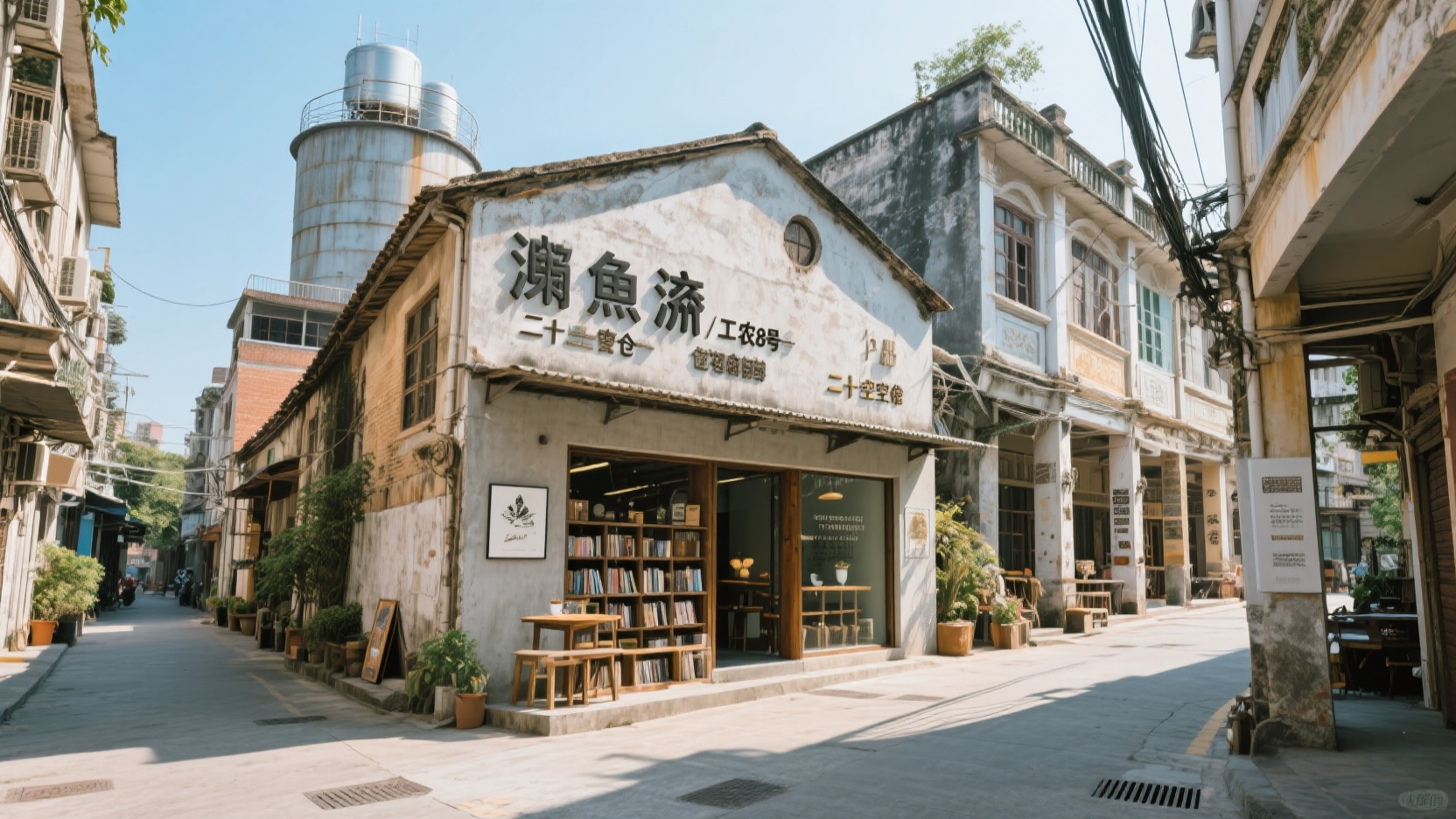
The artistic and cultural essence of Dongguan isn't found on the cover of tourist brochures, but rather in the old streets where Guancheng, Wanjiang, and Nancheng meet. Avoiding major tourist attractions like Keyuan Garden and Humen Fortress, the following seven locations form a more walkable "niche cultural map" that offers a closer look at the city's true character.
Jianyu Island Cultural and Creative Park: A mixed exhibition space of old granaries and waterfront
Formerly a riverside warehouse and grain and oil mill, the site retains its red brick walls, water tower, old chimneys, and railway tracks. After renovation, it houses independent bookstores, exhibition spaces, and community cafes. The atmosphere blends industrial heritage with artistic flair; weekdays are less crowded, making it ideal for a leisurely stroll. Highlights include the riverside red brick arcades, several sections of old machinery that haven't been demolished, and the occasional small-scale handmade markets. For photography, it's recommended to choose a sunny afternoon after 3 PM, utilizing the light and shadow on the building facades; walking in the middle of the arcades and using a telephoto lens to compress the depth of field can capture the unique sense of order characteristic of the old factory buildings.
Gongnong No. 8: A Youth Cultural Space Converted from a Grain Depot
Unlike the refined atmosphere of Yu Chau, this place feels more like a rough-and-ready community spontaneously formed by local youth. The triangular wooden trusses, weathered slogans, and iron gates of the old granary are well preserved, and the interior has been divided into a livehouse, independent gallery, vintage clothing store, and craft beer bar. The highlight isn't any particular exhibit, but rather the traces of time etched into the space itself. For photography, it's recommended to use a wide-angle lens to shoot upwards at the top of the warehouse structure, or use your phone's portrait mode to take a half-body shot in front of the iron gates and graffiti wall; at night, when the lights come on, the red glow contrasts with the brick walls, making low-saturation colors suitable.
Dongguan Old Warehouse: Memory Specimens in the Arcade Buildings
Hidden in the ground floor of a row of old Nanyang-style arcade buildings, the entrance is inconspicuous, but pushing open the door reveals another dimension of time. Old doorplates, sewing machines, film cameras, enamel mugs, and vintage receipts are displayed according to everyday life scenes—not in rigid display cases, but in a live setting where you can observe these old objects up close. The atmosphere is quiet, even somewhat dim, perfect for those who appreciate material culture. Highlights include an entire wall of old drawers, an antique barber chair, and employee badges from old factories in Dongguan. For photography, it's recommended to turn off the flash, use side-backlighting to highlight the scratches on the surfaces of the old objects, focus on specific details, and blur the background for a more narrative feel.
Yan Yi Humanities Space: Books and Tea in an Old Residence
This isn't a large, all-encompassing bookstore, but rather an independent, cultural space converted from an old residential building. A courtyard, wooden staircase, old bookshelves, and a tea table are all intertwined. The books primarily focus on literature, art, and local history, and you can sit down and browse. The atmosphere is quiet and restrained, perfect for whiling away an afternoon alone. Highlights include the reading seats under the courtyard, the old wooden tables by the second-floor windows, and the occasional small book clubs. For photography, it's recommended to utilize the natural light from the courtyard, taking photos from upstairs overlooking the desks on the first floor, or capturing silhouettes of people at the corner of the wooden staircase; avoid disturbing other readers.
21 Space Art Museum: Contemporary Slices in a White Cube
While not large in scale, the exhibitions are frequently updated, focusing on contemporary art, case studies of young artists, and cross-media projects. The space is a typical white cube, with a simple flow and minimal decoration, making the artworks the sole focus. The atmosphere is calm and restrained, suitable for those who truly want to appreciate the art in peace. The highlights vary depending on the exhibition, but the permanent installations and video works are worth lingering over. For photography, it's recommended to wear dark or solid-colored clothing and utilize the white walls as negative space; taking photos of the viewer's back or the proportion between the artworks and people creates a greater sense of space than directly photographing the artworks.
Yanling Garden: A fusion of old garden and contemporary art
A private garden has been transformed into an art space, juxtaposing traditional Lingnan pavilions, ponds, and corridors with contemporary sculptures and installations. The contrasting yet intriguing atmosphere makes it ideal for those who enjoy exploring unconventional art museums. Highlights include contemporary works within the framework of the old garden architecture, the interplay between outdoor sculptures and natural vegetation, and the changing light effects of different seasons. For photography, it's recommended to frame the scene using doorways and latticed windows, placing sculptures or figures within the frame; shooting on a cloudy day can soften the stark contrast between old and new, creating a more unified composition.
July Coffee: Hand-drip Coffee and Everyday Coffee on a Community Corner
Hidden in the lower levels of an old neighborhood, the shop has only a few seats by the window, frequented mostly by regulars and coffee enthusiasts who come specifically for it. The interior is dominated by vintage wooden furniture, Japanese-style goods, and a hand-drip bar, with the coffee bean selection changing seasonally. The ambiance is like a neighbor's living room, perfect for ending a walking journey. Highlights include the hand-drip process, the street view from the window, and posters of local arts and culture events on the walls. For photography, it's recommended to sit by the window and use the warm evening light to blur the street scene; the bar seats are good for taking photos of the coffee and equipment from above, but avoid photographing other customers' faces directly.
From old warehouses to arcade-style secondhand stores, from independent bookstores to community cafes, this route doesn't chase after trendy spots; it simply connects the most ordinary, spiritual corners of Dongguan. It's about exploring the city's spiritual landscape on foot.