
Eating the Right Foods in Changsha During the Seasons | These Seven Seasonal Delicacies Took Me Three Years to Master (Personal Experience to Avoid These Pitfalls)
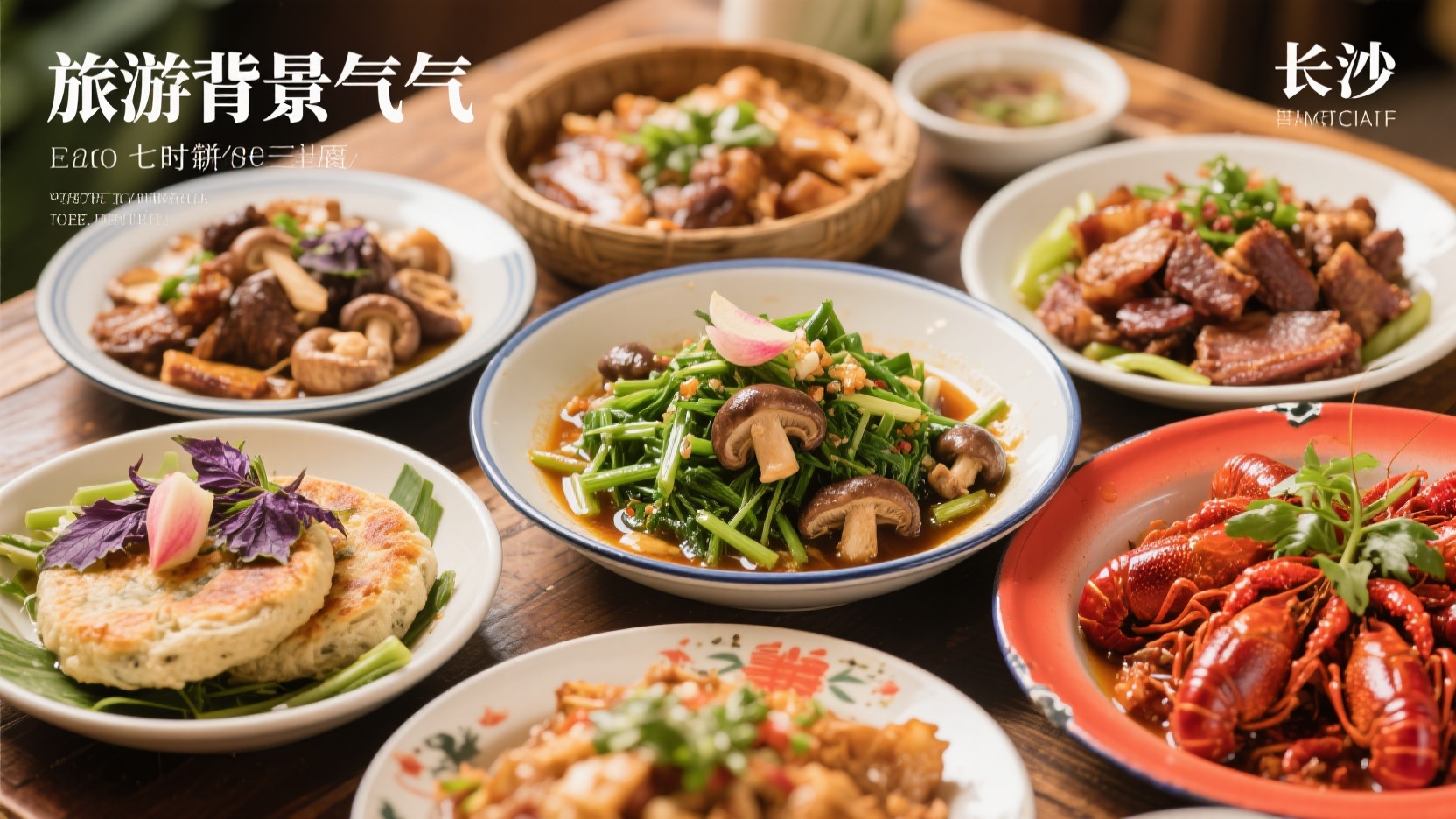
After visiting Changsha more than ten times, I've come to a conclusion: using a year-round food list to eat in Changsha will easily leave you feeling disappointed. The first time I went specifically to find food, I went looking for perilla, peach, and ginger dishes recommended by online influencers, only to be disappointed in November. Later, chatting with an elderly woman who frequents the Lotus Pond Market, I learned that Changsha people's palates follow the twenty-four solar terms. The following seven dishes are seasonal specialties that I rearranged according to spring, summer, autumn, and winter, spanning at least three years to complete, and I've written down my experiences of being disappointed with each one.
Spring | Boiled eggs with wild vegetables on the third day of the third lunar month and mugwort cakes for Qingming Festival
On the third day of the third lunar month, the entrance to the Changsha vegetable market is lined with vendors selling shepherd's purse (莩菜). Hunan people have a tradition of "shepherd's purse boiled with eggs on the third day of the third lunar month," where the shepherd's purse, roots and flowers included, is boiled together with eggs. Why does it taste best at this time? Shepherd's purse with flowers has the strongest medicinal properties and aroma; after Qingming Festival, it becomes too old. Key characteristics: the shepherd's purse with roots and soil, and free-range eggs. Locals eat it by boiling the eggs, cracking them, and soaking them in the broth overnight. The next day, they drink the broth and eat the eggs, which the elders say dispels dampness and cleanses the liver. The first year I went on the third day of the third lunar month, many stalls closed early; later I learned my lesson and went early in the morning.
The mugwort cakes made around Qingming Festival lose their flavor after that time. The tender mugwort shoots are only at their most tender from a week before Qingming to Grain Rain. Locals pick fresh mugwort leaves, blanch them to remove bitterness, and then mix them with glutinous rice flour to make cakes, which can be steamed or pan-fried. Why the time limit? After Grain Rain, the fibers become coarser and the aroma turns bitter. The proper way to eat them is to pan-fry them in a little oil until both sides are crispy, and then enjoy them with a cup of pre-Qingming tea. I once bought a frozen version at Wuyi Square, and the taste was completely wrong; I advise everyone to buy freshly made ones from the market.
Summer | Lesser Heat, Perilla, Peach, Ginger, and First Dog Days Chicken
Perilla, peach, and ginger is a summer delicacy in Changsha that's easily missed. Every year from the Lesser Heat to the Beginning of Autumn, local perilla leaves are at their lushest, young ginger is crisp and tender, and peaches are just about to fall off the pit. These three ingredients are marinated in sugar and rice vinegar for a few hours, then chilled before serving. Why is it only delicious during this season? After the Beginning of Autumn, the perilla becomes old and astringent, and the peaches become soft and mushy. Locals eat it by ordering spicy crayfish at night market stalls, always accompanied by a dish of perilla, peach, and ginger to cool the palate and relieve the spiciness. And it can't be ordered at room temperature; it has to be chilled until it's condensing into water droplets for the best flavor.
An old Changsha saying goes, "Chicken for the first day of the dog days, dog for the second, and turtle and red dates for the third." On the first day of the dog days, locals stew a free-range chicken with perilla, old ginger, and roadside brambles. Why the first day? Because the dog days are hot and humid, and the old ginger and perilla help to induce sweating and dispel dampness. A young rooster is preferred. Locals emphasize eating it at noon and avoiding cold water afterwards. I visited a local shop, and they were basically sold out by the afternoon of the first day of the dog days. This dish is only suitable for special occasions during this period and is not available year-round.
Autumn | Double Ninth Festival Braised Pork with Cold Mushrooms and Mid-Autumn Festival Traditional Mooncakes
Autumn's limited treasures are hidden in the mountains and forests of Hunan: the winter mushroom, also known as the goose mushroom or the Double Ninth Festival mushroom. It only sprouts in the pine forests after a cold rain around the Double Ninth Festival each year. This mushroom cannot be artificially cultivated; it has a firm texture, a strong aroma, and a hint of pine needles. Why is it only at this time of year that it tastes best? Only the temperature difference after the autumn rains stimulates its growth; after the first frost, it's practically nonexistent. Locals prepare it by stewing fresh winter mushrooms with pork belly, resulting in a golden broth; or by simmering a pot of winter mushroom oil, which is absolutely delicious with noodles. I once ate the first batch of mushrooms of the year at a small, unassuming restaurant in Hexi; the owner would often say, "We have mushrooms today!"
A week before the Mid-Autumn Festival, traditional Changsha-style mooncakes truly come alive. These mooncakes have a flaky crust with five kinds of nuts, made with lard, and the filling must include osmanthus sugar, candied winter melon, and five kinds of nuts. Why are they only available for Mid-Autumn Festival? The lard-based flaky crust doesn't keep well, so they're only made in large quantities in the cool autumn; they spoil easily in hot weather. Locals aren't queuing up for gift boxes, but for the freshly baked, still warm, unbaked mooncakes. Visitors might find them too sweet on their first try; it's recommended to eat them slowly with hot tea.
Winter | Winter Solstice: Stir-fried Bamboo Shoots with Cured Pork and Steamed Pork with Laba Beans
Winter bamboo shoots are the most typical seasonal food in Changsha during winter. From around the winter solstice to the beginning of spring, the bamboo shoots are still underground, with the tenderest flesh and the least astringent taste. A classic local combination around the winter solstice is stir-fried winter bamboo shoots with cured pork or a hot pot with winter bamboo shoots and cured pork. Why this specific combination? Spring bamboo shoots become coarse and old as soon as they sprout, while only winter bamboo shoots have a crisp and sweet taste. The cured pork should be smoked in western Hunan or freshly smoked by farmers around Changsha after the winter solstice. How to eat it: Slice the winter bamboo shoots thinly, blanch them to remove oxalic acid, then stir-fry them quickly with the cured pork over high heat. The smoky aroma of the cured pork perfectly complements the sweetness of the bamboo shoots.
Laba beans are also a winter memory for Changsha people. Around the eighth day of the twelfth lunar month, the beans are steamed, fermented, and then mixed with ginger and salt before being placed in a jar. Why only at this time? Low-temperature fermentation is most stable; it's prone to spoilage in summer. Steamed Laba beans with preserved meat or fried eggs are hidden menu items in local breakfast shops. I saw a blackboard in an old neighborhood rice noodle shop advertising "Steamed Pork with Laba Beans," and the owner said it was only available until the Lunar New Year. These foods remind you that once the season is over, the taste changes.
Blogger's Summary and Tips on Avoiding Pitfalls
Having eaten in Changsha for so many years, my biggest takeaway is that truly seasonal dishes don't wait for guests; you have to follow the seasons. If you only have one chance to visit Changsha, I suggest checking the lunar calendar and the solar terms before deciding which restaurants to go to.
First, check the lunar calendar in advance: The days around the third day of the third lunar month, the first ten days of summer, the Double Ninth Festival, and the Winter Solstice are the easiest to find seasonal dishes; missing them often means waiting another year. Second, prioritize small shops around old markets like Lotus Pond and South Gate; many seasonal dishes aren't listed on fixed menus. Third, don't rely on travel platform recommendations; dishes like perilla, peach, and ginger, winter mushrooms, and bamboo shoots often have significant gaps in availability. Fourth, places where local elderly women queue are usually more reliable than fancy restaurants. Eating according to the seasons is the right way to experience a city.