
5 Days in Xuzhou Without Tiring Your Feet | A Slow 4-Night Itinerary Trip Tested with Parents and a Checklist to Avoid Pitfalls (Top Choice for Seniors in Spring and Autumn)
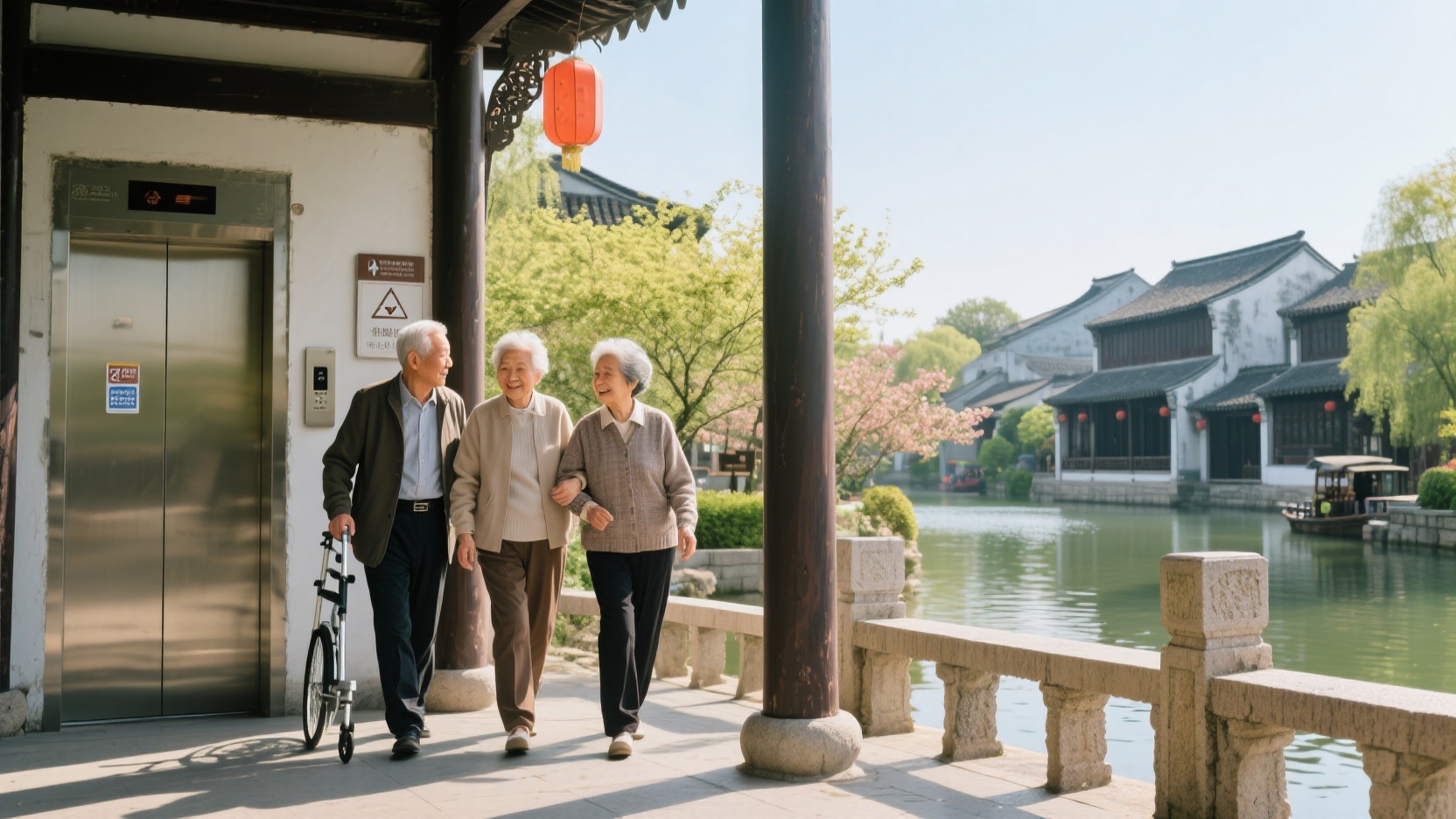
This is the first time I've designed a five-day, four-night trip to Xuzhou entirely according to my parents' schedule. The reason is that my mother hasn't dared to walk much for two years after her knee replacement surgery, and my father's blood pressure fluctuates greatly. I made quite a few mistakes before finally coming up with this "leg-friendly" itinerary. Xuzhou has a flat terrain and is directly accessible by high-speed rail, but being suitable for the elderly doesn't mean just walking around casually. The key is to include the distance to hospitals, elevators, accessible pathways, and lunch break time in the plan in advance.
I. Accommodation and Daily Rhythm: The Two-Hour Lunch Break Should Be Fixed
When bringing my parents to Xuzhou, my biggest lesson learned was to prioritize the distance to hospitals before choosing a scenic spot. This time, I stayed on the east bank of Yunlong Lake. There was a ramp and elevator downstairs that led directly to my room, and the nearest level-two or higher hospital was about a ten-minute drive away. I didn't leave until 9:30 every morning and had to return to the hotel around 1:30 in the afternoon for a nap from 2:00 to 4:00. This wasn't laziness, but rather to allow my parents time to adjust their blood pressure and heart rate.
Many scenic spots may not seem large, but for seniors, the biggest challenge is walking for more than forty minutes straight. I limit each walk to under fifteen minutes, and at each stop, I first check the location of seating and restrooms. I only plan one or two key spots each day, and the alternative spots are all decided on the spot based on how I feel that day, without any "we're already here" mentality.
II. 5-day, 4-night daily itinerary: Day 3: Choose one of the following: Ancient Town or Hot Spring.
Upon arrival on the first day, no major attractions will be arranged. Parents will simply familiarize themselves with the area within 500 meters of the hotel, confirming the location of wheelchair access, elevator button heights, non-slip floor tiles, and public restrooms. Get some rest early in the evening and avoid any exciting activities.
The next day, we went to the Xuzhou Museum. We made a reservation in advance. The museum has elevators, wheelchair rentals, and accessible restrooms. There are many flat surfaces indoors, which is suitable for elderly people with knee problems. We limited our visit to about an hour, then went back to the hotel for a two-hour nap. In the evening, we took a short walk along the Yunlong Lake lakeside promenade, only walking on the paved flat paths. There is a high density of public restrooms along the lake.
On the third day, you have to choose one of two options: if it's sunny, prioritize Yaowan Ancient Town; if it's rainy or elderly people are sensitive to cold in their lower limbs, choose the hot springs. For the ancient town, I chartered a car directly to the nearest entrance, not aiming to walk the whole thing, but only exploring the middle section of the flat road. Along the way, I first checked for toilets and rest pavilions to avoid getting my cane stuck in the cracks between the stone slabs. For the hot springs, I chose resort-style ones with many rest areas and non-slip floors. You must get up to rehydrate after soaking for 15 to 20 minutes, and the changing rooms should ideally have benches and non-slip mats.
On the morning of the fourth day, we took the sightseeing bus around Yunlong Lake, minimizing walking, so the elderly could enjoy the water views without having to climb Yunlong Mountain. In the afternoon, after a rest, we strolled around Huilongwo, where the alleyways were gentle and the restrooms were clearly marked. However, the adjacent Hubu Mountain had many steps, so I skipped it. On the fifth day, after breakfast, we packed up at our leisure. If we were returning late, we could walk a short distance along the main road of the Huaihai Memorial Park, avoiding the underground exhibition halls and areas with many steps, allowing ample time to reach the high-speed rail station.
III. Essential Tips for Seniors to Avoid: Distance to Elevators, Toilets, and Hospitals
Upon entering each location, I ask three questions: Where is the elevator? Is the accessible route a roundabout way? How many minutes' walk is it from the entrance to the nearest restroom? While elevators and accessible restrooms in most indoor venues in Xuzhou are fairly standard, extra care must be taken to prevent slipping on the cobblestone streets of old streets and ancient towns.
The distance to hospitals is often overlooked in travel guides. This time, I requested that the driving time from the hotel and main activity areas to hospitals at level two or above be kept within 20 to 30 minutes, and even shorter for elderly people with chronic illnesses. If the hospitals near the scenic spots are far away, I will break the itinerary into smaller segments and avoid any continuous long walks.
IV. Blogger's Summary: Xuzhou is a slow-paced city suitable for accompanying parents on their early years.
Xuzhou has a flat terrain, convenient high-speed rail access, and relatively accessible cultural and museum venues and lakeside walkways, making it relatively friendly to senior citizens. As long as you include three things in your itinerary: "two-hour lunch break, fifteen-minute walks each way, and finding a restroom before sightseeing," you won't feel tired after five days and four nights.
Finally, here's a packing list and a reminder of commonly used medications that I always use when traveling with my parents. The list of twenty items may seem like a lot, but it fits perfectly in one carry-on suitcase.
V. Packing List and Commonly Used Medications for Seniors
Packing list of 20 items: 1. ID card/medical insurance card/chronic disease medical records; 2. Two pairs of lightweight, non-slip shoes; 3. Folding stool; 4. Thermos cup; 5. Carry-on bag for commonly used medications; 6. Portable blood pressure monitor; 7. Medicine dispenser; 8. Hand warmers; 9. Folding umbrella; 10. Light jacket; 11. Walking stick or trekking pole; 12. Knee pads; 13. Spare diapers or waterproof pads; 14. Hand sanitizer; 15. Tissues and wet wipes; 16. Individually packaged snacks; 17. Mobile phone power bank; 18. Emergency contact card; 19. Folding wheelchair or walker as needed; 20. Night light.
Five categories of commonly used medications to remind you: First, cardiovascular medications: always carry antihypertensive drugs, nitroglycerin, or nitroglycerin tablets with you. Second, hypoglycemic medications: bring sufficient insulin or oral hypoglycemic agents and glucose tablets. Third, cold and fever medications: have some on hand in spring when there are large temperature differences between day and night. Fourth, gastrointestinal medications: antidiarrheal, digestive aids, and prokinetic agents. Fifth, external medications: band-aids, iodine swabs, plasters, and anti-chafing patches. Keep all medications in their original packaging and instructions for easier inspection at security checkpoints.