
Ningbo Slow Travel Guide: A Tested Itinerary for 5 Days 4 Nights with Parents, Includes Elevator, Toilet, and Lunch Break Information
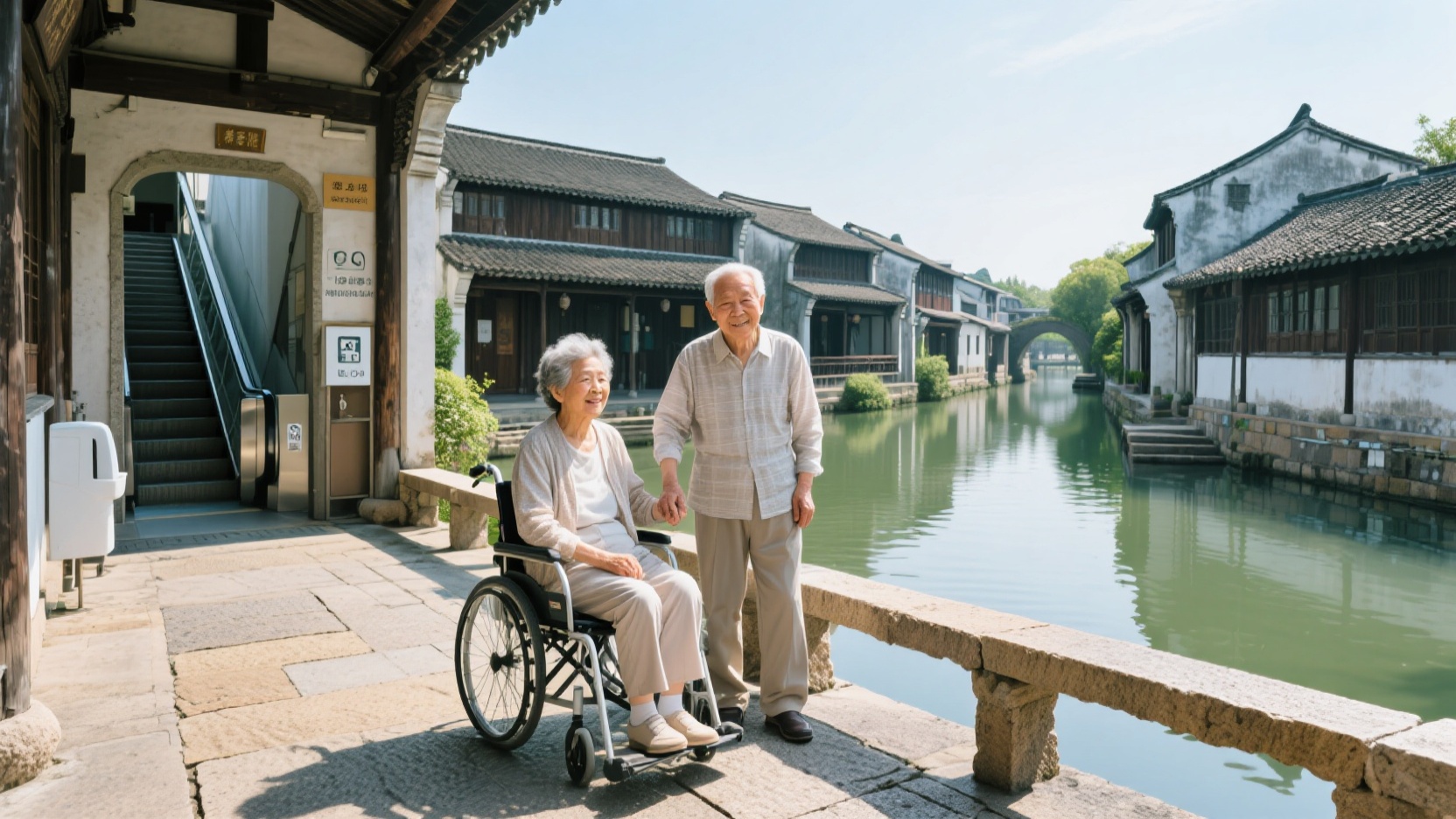
My biggest mistake when taking my parents to Ningbo was over-packing the itinerary. These two 70-year-olds walked 20,000 steps a day with me, and the next day they were lying in the hotel until noon. I went back twice more, gradually figuring out the best pace for exploring Ningbo's old town. The first time, we stayed near Dongqian Lake, and one evening the elderly couple had stomach problems, requiring a nearly half-hour drive to find a hospital. Another time, we visited two attractions in a row, with almost no places to sit in between. This time, I took my parents for 5 days and 4 nights, only planning one or two key destinations each day, forcing them to return to the hotel for a two-hour nap. I thoroughly checked all elevator access, wheelchair access, toilet density, walking distances, and the distance to nearby level-two or higher hospitals beforehand. The itinerary was suitable for my parents, who have knee problems, can't walk fast, and need to sit down frequently.
1. Accommodation: First consider the distance to the elevator, toilet, and hospital; don't just focus on the river view.
Staying in the old town of Haishu or around Yuehu Lake is the safest option. Avoid staying in the Dongqian Lake resort area, as it's inconvenient to find pharmacies and hospitals at night. When choosing a hotel, I make sure there are three things: an elevator from the lobby to the room with no stairs; public restrooms on every floor or handrails in the room's bathroom; and the nearest level-two or higher hospital is no more than a 15-minute drive away. This time, I stayed in a mid-range chain hotel with a convenience store and pharmacy downstairs. I also specifically requested a room near the elevator to avoid walking too far down the corridor.
A two-hour nap every day is essential, without fail, and the elderly should not go out again until after 3 PM. If the elderly break their nap routine, they will become very tired for the next two days. It is best if the hotel provides breakfast to reduce the walking distance to find food in the morning; confirm with the front desk in advance whether there are non-slip mats and bath chairs in the bathroom, or bring your own folding ones if they are not available.
Second, for the first two days: Moon Lake Park and Tianyi Pavilion, walk within 3,000 steps.
On day 1, we'll only visit Moon Lake Park. We'll take a taxi from the hotel to Moon Lake, not the entire loop, but only the section near the lake in the north area, about 1.5 kilometers. There are many stone benches along the way, and public restrooms are about every 300 meters. We'll return to the hotel for lunch and a rest. In the afternoon, if the elderly are feeling well, we'll go to the Drum Tower and walk along the outer side of the street for about ten minutes before returning. We won't climb the tower or explore the inner alleys, as the stone paths are slippery and crowded. In summer, avoid visiting at midday, as there's a section of discontinuous shade in the north area.
On the second day, we'll visit Tianyi Pavilion. There are thresholds and a few steps; the main exhibition hall has a wheelchair ramp for easy access, but some sections of the library lack elevators and require walking. I'll limit the visit to one and a half hours, and afterwards, let the elderly person sit in the long corridor near the entrance for twenty minutes. The nearest hospital is about a twelve-minute drive away. We'll continue with a midday rest in the afternoon; no additional stops are planned.
Day 3: Ancient Town or Hot Spring? A Guide to Avoiding Pitfalls for Parents Choosing Between Two Options
On day 3, don't visit both; choose one. Choose Cicheng Ancient Town, and only walk along the main street of Minquan Road, about 800 meters long. The road surface is flat, and there are long corridors on both sides where you can sit. The toilets are concentrated in the visitor center and the middle section of the main street. Don't walk in the outer alleys, as the stone slabs are uneven and easy to trip over; don't buy freshly made pastries that require you to carry them for a long time.
When choosing a hot spring, make sure it has a separate rest area and indoor hot springs, and that the changing area has benches, non-slip mats, and wheelchair access. Elderly people should limit their soaking time to under 20 minutes, and after getting out, they must sit and rest for half an hour before going outside in the wind. The nearest hospital is about a 20-minute drive away. My suggestion is to choose an ancient town in spring and autumn, and a hot spring in winter; choose a hot spring if you have mobility issues, and an ancient town if you prefer a more lively atmosphere. Elderly people with high blood pressure should have their blood pressure checked before soaking in the hot spring, and the temperature should not be too high.
IV. The last two days: Only visit a section of Dongqian Lake, and don't stay out too late at the Old Bund.
On day 4, we went to Dongqian Lake. We didn't circle the lake; instead, we took a taxi directly to the vicinity of Hanling Old Street and walked only along the lakeside boardwalk for about one kilometer, which has railings and rest platforms. Public restrooms are spaced a bit far apart, so make sure the elderly person uses the restroom before we leave. The boardwalk planks have gaps, so hold your walking stick firmly. After lunch, we returned to the hotel for a rest. Nearby hospitals (level II or above) are about a 25-minute drive away. The pace should be slower on this day; if the elderly person says they are tired, we should immediately turn back.
On the evening of the 5th day, we went to the Old Bund. We only walked 400 meters along the riverside promenade to see the lights at the confluence of the three rivers, without visiting the bar street. The promenade is accessible, but it's windy by the river, so bring a light jacket for the elderly. We returned to the hotel before 7:30 pm to avoid the cool night and crowds. Weekends are very crowded, so try to go on a weekday evening.
V. Blogger's Summary: The ability to back out is more important than checking in.
The core of a leisurely trip to Ningbo with parents isn't about visiting a few tourist attractions, but about having easy access to rest, the hotel, and hospitals at every turn. A 5-day, 4-night itinerary is quite relaxed, but the elderly are only willing to go out when they're not tired. Don't expect your parents to be as efficient as young people. Many "must-see" places were intentionally omitted from the itinerary, such as the late-night snacks at Nantang Old Street, the stairs at the Drum Tower, and the entire loop around Dongqian Lake. These places aren't bad, but they're not ideal for elderly people with knee problems who need frequent rest. When traveling with parents, leaving room for flexibility is the greatest sign of sincerity.
It is recommended to print out the following checklist before departure and check off each item.
A packing list for seniors going out (20 items): 1. ID card, medical insurance card, retirement certificate; 2. Two pairs of flat, non-slip shoes; 3. Lightweight jacket; 4. Knee pads; 5. Folding cane; 6. Portable stool; 7. Thermos cup; 8. Commonly used medicine containers; 9. Reading glasses; 10. Spare batteries for hearing aids; 11. Umbrella; 12. Thin blanket; 13. Tissues and wet wipes; 14. Disposable toilet seat covers; 15. Portable urine bag; 16. Mobile phone lanyard; 17. Power bank; 18. Card with emergency contact information and medical history; 19. Snacks; 20. Several plastic bags.
Five categories of commonly used medications to remind you: 1. Cardiovascular medications such as antihypertensive drugs and nitroglycerin; bring enough for the required number of days and keep them with you at all times. 2. Hypoglycemic drugs and candy to prevent hypoglycemia. 3. Respiratory medications such as asthma inhalers. 4. Digestive medications such as montmorillonite powder and stomach medicines. 5. Topical medications such as adhesive bandages, iodine swabs, and joint plasters. Keep all medications in their original packaging and instructions for easy access to security checks and medical care.