
These 8 fresh delicacies from Ningbo | Blogger's personal review | A seasonal list of foods I dare to share only after eating them for all four seasons according to the solar terms (not from internet
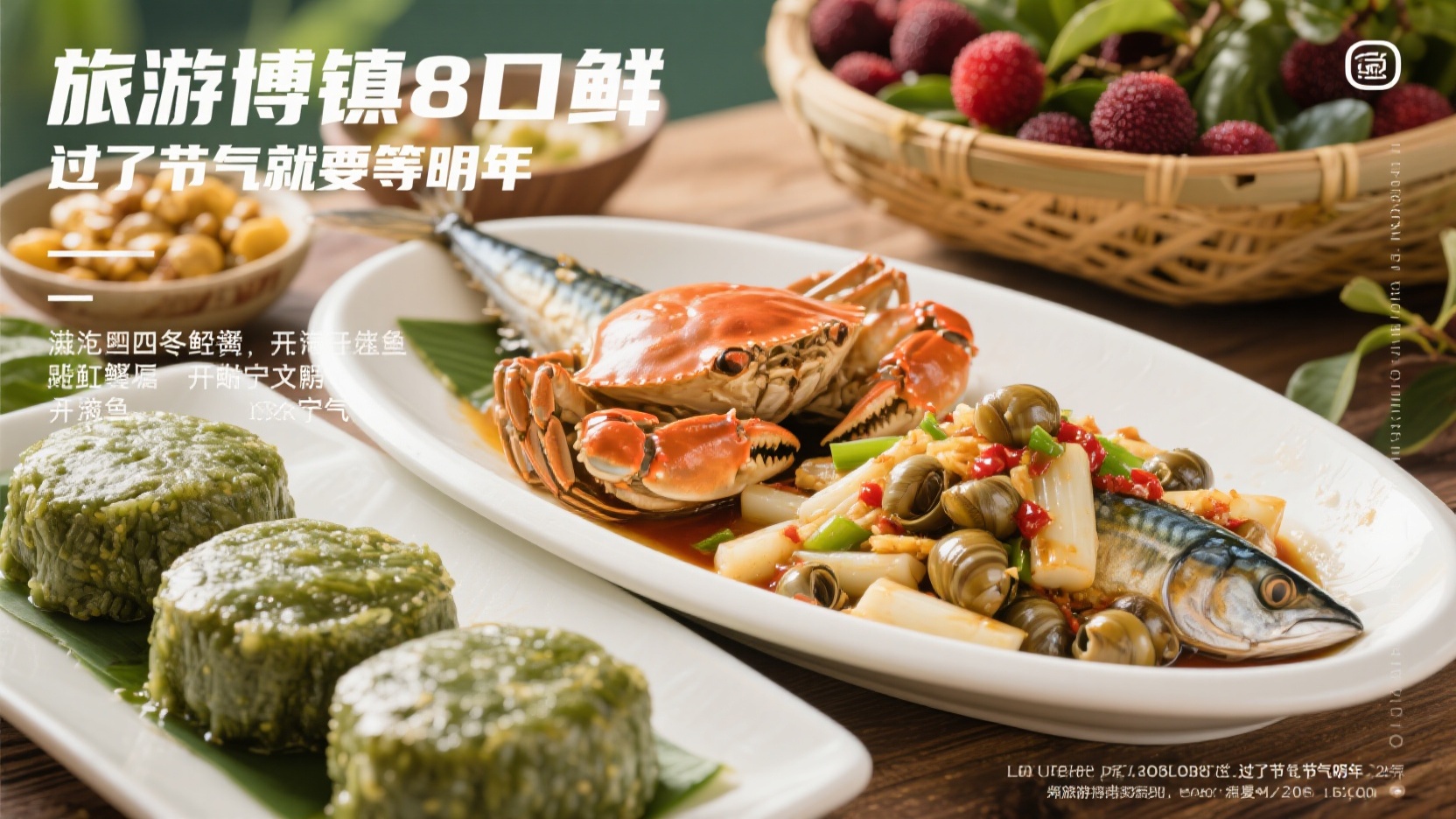
Having lived in Ningbo for over a month, I noticed a strange habit among locals when ordering food: they don't look at the menu, but first ask, "What just arrived today?" I didn't understand at first. In March, I bought a frozen mackerel at the market to save money. When I cooked it with pickled mustard greens at home, the meat was tough and fishy, almost making me mistake Ningbo cuisine for something else. Later, the market vendor told me that mackerel from Xiangshan Port around Qingming Festival is called "鰆鯃" (a type of mackerel), and after those twenty days, its price and taste plummet. This post won't be a comprehensive "must-eat in Ningbo," but rather a record of those flavors that, once the season is over, you'll have to wait another year.
From the Spring Equinox to Qingming Festival: The Golden Twenty Days for Spanish Mackerel and Green Rice Cakes
Before Qingming Festival, if you go to the small pier by Xiangshan Port, you'll see locals crowding around the newly arrived fishing boats, scrambling for fish. Spanish mackerel are available year-round, but only the blue-spotted mackerel that migrates to the port to spawn between the Spring Equinox and Qingming Festival is called "鰆鯃" by the people of Ningbo. At this time, the fish has a bluish-gray sheen, and when cut open, the flesh is clearly resembling garlic cloves, with a rich fishy aroma and firm, tender meat. After Qingming, once the fish have spawned, the meat becomes loose, and locals generally don't buy it.
In terms of preparation, Ningbo people are most particular about "quick marinating and steaming": the fish is cut into thick pieces, lightly rubbed with salt, topped with shredded ginger, and steamed. It is served with piping hot rice. Another dish is mackerel soup with pickled mustard greens, but the pickled mustard greens should not overpower the flavor; their salty and savory flavor should bring out the sweetness of the fish. At the same time of year, the mugwort on the field ridges is just sprouting tender buds, and the green glutinous rice cakes are at their best. Unlike green rice cakes elsewhere, Ningbo green glutinous rice cakes are not filled. They are made by pounding mugwort and glutinous rice until they become elastic, then covering them with pine pollen and cutting them into diamond shapes. Locals like to pan-fry them without oil until both sides are slightly browned, resulting in a crispy exterior and a chewy interior, with the unique bittersweet aftertaste of mugwort.
Around the summer solstice: Waxberries are harvested from the mountains and pickled mud snails are opened.
In mid-to-late June, friends from Cixi and Yuyao will suddenly disappear for a few days. No need to ask, they've all gone back to their villages to pick bayberries. People in Ningbo only eat bayberries around the summer solstice, a week or two before and after. The bayberries from the Biji variety are purplish-black, and the juice is slightly sour, just right to relieve the stuffiness of the plum rain season. If picked too late or transported for too long, the sweetness becomes cloying, so locals prefer to eat them fresh, or soak them in bayberry liquor to treat bloating in autumn and winter.
At the same time, the traditional summer dish of pickled mud snails in Ningbo is also being prepared. Mud snails harvested before the Qingming Festival are sealed with rice wine, salt, and sugar and pickled until the summer solstice, resulting in perfect flavor. There's a specific way to eat these pickled mud snails in Ningbo: first, gently bite the shell with your teeth, then suck out the snail meat, which is served with cold rice porridge or congee, offering a savory and slightly wine-infused flavor. When you don't feel like cooking in the summer, a plate of mud snails and a bowl of mung bean soup is the traditional dinner.
After the autumn fishing season: Stir-fried rice cakes with swimming crabs and the soft, glutinous texture of Fenghua taro.
From the start of the fishing season in September until the first frost, it's the peak season for swimming crabs in the East China Sea. In Ningbo, they're called "white crabs"—the males are full of meat, while the females are brimming with roe. The crab meat is sweet during this season, and locals often don't steam it, but rather stir-fry it with rice cakes. The crab is chopped into pieces, coated in a thin layer of starch, and pan-fried until the shells turn red. Then, rice cakes are added and simmered, allowing the rice cakes to absorb the crab's flavorful juices. The rice cakes must be water-milled, not too soft, and have a pleasant rice aroma and a chewy texture. When a plate of these is served, the rice cakes disappear before the crabs even arrive.
Another seasonal delicacy easily overlooked by tourists in autumn is Fenghua taro. Taro harvested around the time of the Frost's Descent solar term is truly soft and powdery, revealing fine red veins when cut open. Locals enjoy making taro and pork crackling soup, steaming and mashing the taro, then blending it with pork crackling and clear broth to form a smooth and creamy soup, a perfect finishing dish for the Mid-Autumn Festival family feast. If you visit Ningbo at this time and don't have taro soup on the table, it feels like you've missed half of autumn.
From Winter Solstice to Minor Cold: The Ultimate Answer to Red Roe Pickled Crab and Northwest Wind Dried Eel
For Ningbo locals, winter's culinary faith rests on pickled crab with red roe. Around the winter solstice, the female swimming crabs from the East China Sea are brimming with roe, making them perfect for raw pickling. The red roe pickled crab is marinated only in salt and water for a few hours to a day, relying on the low temperature to turn the crab meat into a translucent, jelly-like consistency. Locals eat it chopped into pieces, always with rice vinegar—a savory and salty bite paired with a bite of hot rice porridge—a signature cold dish for the New Year's Eve dinner. If the roe isn't red enough or the meat isn't tender enough, Ningbo people will simply say, "It's not ready yet."
Paired with red-roe pickled crab is dried eel. When the northwest wind blows and the air becomes dry, people in Ningbo begin drying sea eels. Dried eel cannot be exposed to direct sunlight; it must be hung in a shady, well-ventilated place to be slowly dried by the north wind. Dried eel dried between the winter solstice and the Lesser Cold is the most fragrant. After steaming, it is shredded, the flesh firm and oily, with just the right amount of saltiness. After the New Year, when the south wind brings dampness, the dried eel easily turns yellow and spoils, so eating dried eel becomes a countdown.
Blogger's Summary and Practical Tips
The biggest mistake I made in Ningbo was using a year-round menu to find seasonal dishes. The truly delicious flavors are hidden within the solar terms: mackerel before Qingming Festival, bayberries at the summer solstice, taro at Frost's Descent, and red-roe pickled crab at the winter solstice. If you miss them, you'll have to wait until next year. The following tips are ones I've personally tested and found effective, and I'm sharing them for first-time visitors to Ningbo based on the solar terms.
Before Qingming Festival, buy mackerel at the small seaside piers, and look for local fishing boats from Xiangshan Port; when buying green glutinous rice cakes, ask if they contain fresh pine pollen. Avoid picking bayberries after rain during the summer solstice, as the fruit easily absorbs moisture and becomes less flavorful. In autumn and winter, when eating swimming crabs and pickled crabs, look at the translucent parts of the shell; the redder and fuller the roe, the better. If you can't finish dried eel after buying it, freeze it to prevent it from getting damp. When unsure about seasonal availability, simply ask at the store, "What just arrived today?"—it's more reliable than any guidebook. Eating according to the seasons is the right way to experience a city.