
Hidden Gems in Jiaxing | A Local Non-Trendy List I Visited Three Times Before Writing This (Personally Tested and Avoided Pitfalls)
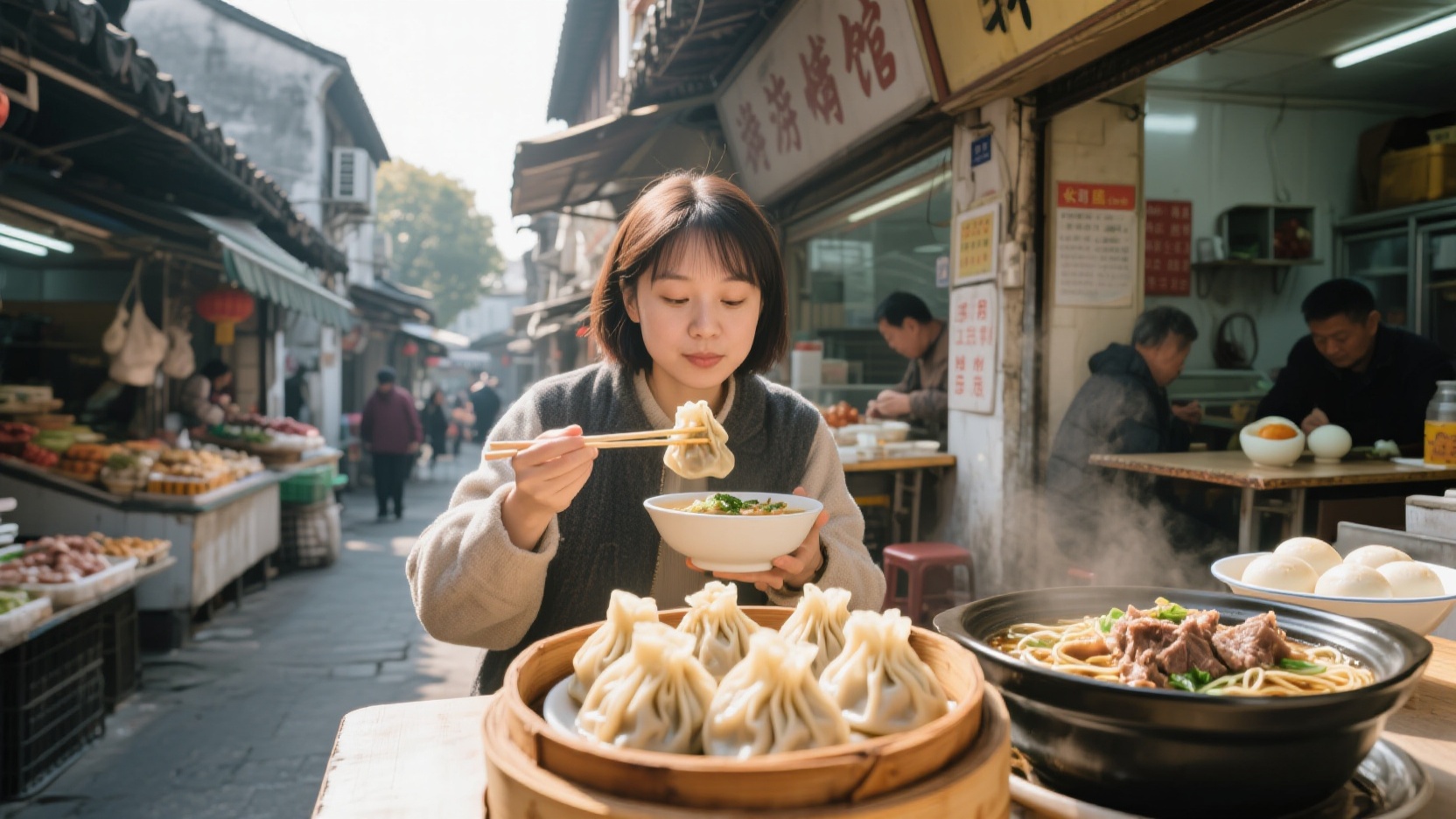
The first time I came to Jiaxing, like most tourists, I followed the must-eat list and queued up, only to find that the rice dumplings tasted standardized. The second time, I stayed in the south of the old city and walked along the vegetable market and community alleys, only to find that the true flavor of Jiaxing was hidden in those small storefronts where even the signs were too lazy to be polished. The third time, I reviewed the experience with local friends before I dared to write this list.
These eight restaurants below don't do any marketing and won't appear prominently on any lists, but they are my most cherished secrets, the ones I'm most reluctant to reveal after three visits to them. I suggest you put aside your "mealtime anxiety" for now, because most of these restaurants only operate during fixed hours and close down once they're sold out.
Morning market exclusives: Fresh meat shumai from the old community in the west of the city and fried dough sticks from the bridgehead.
The first shop is a shumai stall located under an old residential building in the west of the city. It has no name, only a wooden sign that says "Shumai" hanging at the entrance. It only operates in the morning; if you arrive late, you might be told to "come back tomorrow." Jiaxing's local shumai is completely different from glutinous rice shumai from other places. It has a thin skin wrapped around fresh pork and bamboo shoots, and the bottom is filled with broth when it comes out of the steamer. How to order: Just order a basket of fresh pork and bamboo shoot shumai, and a bowl of lard noodles, so that the noodles can be soaked in the broth that seeps out of the shumai. You can also buy a glutinous rice ball wrapped with fried dough sticks and pickled vegetables at the alley entrance.
The second stall selling fried radish dumplings at the bridgehead only opens in the afternoon. The old lady sets up her iron wok and has only two small tables. The dumplings have a thin, crispy outer shell, and the shredded radish filling has a hint of white pepper spiciness. They're best eaten fresh out of the wok. After buying the dumplings, you can stop by the pickle shop next door to get a few ounces of pickled mustard greens, which are perfect to take back to your guesthouse and eat with porridge.
Steamed dish restaurants in the back alley of the market and the community braised duck window
Jiaxing Market is the heart of local flavors. The third restaurant, hidden in a back alley of the North City Market, offers steamed dishes. The menu is written on a blackboard, and they only serve one batch a day. Their signature dish is Haining clay pot pork, thick slices of pork belly simmered in a large clay pot – the lean meat is tender, and the fat is like tofu. How to order: Two people should order one clay pot pork, one serving of steamed double-stinky tofu, and a bowl of salted pork and vegetable rice. The steamed double-stinky tofu smells pungent, but tastes salty, fresh, and sweet – a true test of local palates. You can also buy freshly cut pickles nearby, especially the rose-flavored fermented bean curd.
The fourth stall is a braised duck stand near the side entrance of the market. It doesn't offer dine-in service; only takeout is available. It's not a tourist attraction gift set; it sells braised duck that locals cut into half and take home every day. The braised duck has a glossy black skin but isn't overly sweet. The duck tongue and braised beef are also worth picking up. After buying the braised duck, walk a few steps south to find a seasonal stall selling water chestnuts from Nanhu Lake; you can find them in autumn.
Locals would go out of their way to visit these clay pot restaurants and mutton noodle stalls.
The fifth restaurant is Tongxiang Hot Pot, located in an old residential building in the south of the city. It only has seven or eight tables, so you'll have to wait if you don't arrive early for dinner. Their signature dish isn't the extra-spicy bullfrog, but the blackfish hot pot. Freshly killed blackfish slices are coated in a thin batter and cooked with chicken feet and rice cakes in a broth with a slightly sour tomato flavor. How to order: For two people, order a small hot pot, plus a serving of rice cakes and frozen tofu. Don't order too many cold dishes. There's also a stall next door selling sweet osmanthus lotus root; the sweetness is more restrained, perfect for cleansing the palate after a meal.
The sixth mutton noodle stall only operates in autumn and winter, hidden under a colorful tarpaulin shed near a bridge. The braised mutton, skin and all, is cut into chunks and stewed until the meat falls off the bone. The noodles are thin and flat, absorbing the mutton broth and becoming even more fragrant than the meat. How to order: a bowl of mutton noodles with mutton offal, plus a spoonful of garlic leaves and chili sauce. Don't rush off after your noodles; the freshly baked snow dumplings and sugar cakes from the pastry shop next door are delicious and perfect to take away for breakfast the next day.
Seasonal limited edition: Steamed banquet balls and Pinghu pickled eggs, a traditional way of eating.
The seventh shop is a small stall making Chang'an banquet balls, tucked away next to the old town's market, open only during the morning and afternoon hours. The banquet balls are made by mincing fish and pork, wrapping them in a thin layer of black moss or egg crepe, steaming them, and serving them with a touch of local rice vinegar. Many people mistake them for ordinary fish balls at first, but they have a firmer texture and a base flavor of pepper and Shaoxing wine. How to order: Just order a serving of pure fish banquet balls; don't choose the pre-fried, semi-finished version. You can also buy a bottle of local Shaoxing wine or rice vinegar nearby, which you can use at home to recreate the steamed dishes.
If you happen to be there in autumn or winter, you can also buy Pinghu fermented eggs at an old-fashioned sauce shop in the east of the city. It's completely different from preserved eggs; it's made by slowly fermenting raw eggs with rice wine lees. The egg white is translucent and gelatinous, and the yolk has a wine aroma. First-timers might need some getting used to, but pairing it with white porridge is a favorite way for old Jiaxing residents to enjoy it. This shop doesn't offer samples, so you can ask the vendor to pick out a jar with a recent expiration date before buying. There's a stall selling fermented rice wine nearby; buying a bowl to take home and pair with the fermented eggs is perfect.
Blogger's summary and three tips to avoid pitfalls
These eight shops, from morning markets to late-night snacks, don't all require a "must-visit" experience, but each one is worth making an extra detour for. The authentic flavor of Jiaxing isn't found in shopping malls or tourist attractions, but rather in the back alleys of markets, by bridges, and on the windowsills of residential communities. After three visits, my deepest impression is that truly delicious small shops often don't even bother to update their menus, but instead spend all their time on the kitchen.
First rule to avoid pitfalls: Don't go during peak meal times. Many restaurants only operate during morning or lunch hours, and some close once they sell out. Going early or during off-peak hours will allow you to eat freshly cooked food. Second rule: Don't just order the signature dishes. Hidden gems in Jiaxing restaurants are often written in the corner of a blackboard, such as steamed double stinky tofu at a steamed dish restaurant or lamb offal at a lamb noodle stall. Ordering only the signature dishes will make you miss half the flavor. Third rule: Remember to bring cash. Several market stalls and roadside vendors only accept cash, and QR code signs are often useless. Carrying a few dozen yuan in change is the safest bet.