
Avoid Paid Attractions in Dongguan | Local Testimonial: Don't Be Fooled by Guides, Four Days Without Buying Tickets is the Real Way to Experience It
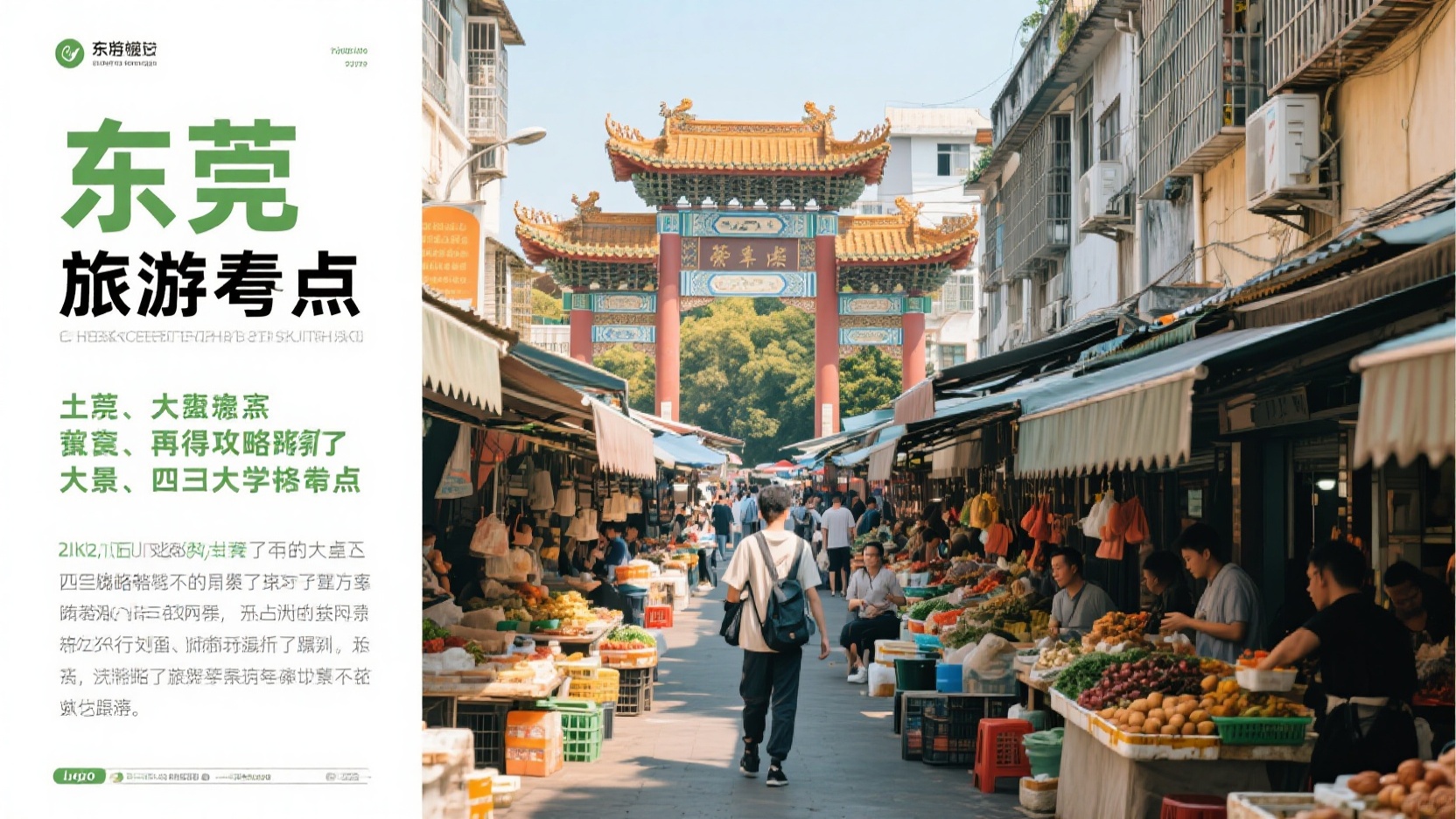
I've lived in Dongguan for almost six years, and the advice I most want to give you is: don't buy tickets. The places in Dongguan that are least worth spending money on are those major tourist attractions that are repeatedly highlighted in travel guides. It's not that they're bad, but they're too much like "tourist attractions." The real Dongguan is hidden in the free farmers' markets, old alleyways, and old factories.
I've traveled this four-day route many times on my own, without spending a single penny on entrance fees, and relying as much as possible on public transportation and shared bikes. If you're tired of the typical tourist trap, this unconventional approach might be more suitable for you.
Why is the "non-development zone" actually closer to Dongguan?
Dongguan is not a traditional tourist city; its charm comes from its manufacturing base and local life. If you spend a few dozen yuan to enter a garden, you'll only see a stylized version of Lingnan architecture; but stepping into a farmers' market will allow you to directly feel the pulse of the city.
Most paid attractions are marketed as "must-sees," but locals rarely visit them more than twice a year. The truly vibrant, everyday life of Dongguan lies precisely in those free, yet uncommon, places. Don't worry about missing out by not buying tickets; Dongguan won't close its doors just because you don't spend money.
Day 1: Community Market Day: Go to Xicun Market early, don't wait for the night market.
On the first day, head straight to Xicun Market in Guancheng. Choose a weekday morning between 7 and 9 a.m. to witness the most vibrant side of Dongguan: aunties on motorcycles carrying freshly slaughtered chickens, roast goose vendors constantly chopping with their knives, and seafood stall owners chatting with you while selecting their goods.
Breakfast is conveniently located around the market. Roast goose rice noodles, pork offal soup noodles, and freshly pulled rice noodle rolls are all reasonably priced; you can eat your fill for just a few dozen yuan per person. Don't bother queuing at the night markets popularized by tourists; the morning market is the locals' default social space.
Don't carry a big camera when you go to the market; a reusable bag makes you look more like a local. You can buy some cheap pastries and dried goods, but avoid touristy questions like "Can it keep for three days?" This place isn't about your spending; it's about whether you're willing to slow down and appreciate the experience.
Leave before noon and wander into the alley behind the market. Those old-fashioned general stores, handwritten signs, and old ladies shelling peanuts at their doorways are more authentic than any tourist audio guide. There's no entrance fee, but your phone's photo album will be filled with the warmth of everyday life.
Day 2: University Surroundings Day: Cycling around the perimeter of Songshan Lake, avoiding the crowded school gates.
The second day is reserved for Dongguan University of Technology Songshan Lake Campus, but there's no need to go inside. The cycling route around the school gate is very pleasant. Find a shared bike and ride slowly along the lakeside road and the small road behind the school. There are few people and it's cool, making it more comfortable than many paid parks.
When you get tired of cycling, head to the urban villages frequented by students for food. Rice noodle soup, sweet soup, beef offal, and fried noodles are all at student prices; a few dozen yuan per person is enough to eat your fill. Just follow the students in school uniforms, and you're unlikely to go wrong. Avoid the food courts in shopping malls; those are for lazy people.
Along the way, you can see lychee groves, old ponds, and some village houses that haven't been demolished yet; in summer, you can even smell the fragrance of fruit. The areas around universities in Dongguan have a rare sense of leisure, completely different from the hustle and bustle of the city center. You don't have to pay an entrance fee, but you can ride until you're sweating and have a great afternoon.
A word of caution: don't wear headphones while cycling, as there are many electric bikes and trucks on the road. When choosing a shared bike, it's best to select one with a basket for easy access to water. After 4 PM, the light is softer, making it a good time to sit by the lake for a while before heading back.
Day 3: Old Industrial Zone Renovation Day: Jianyu Island is more interesting than paid creative parks.
On the third day, we went to Jianyu Island. This is a model for the transformation of Dongguan's old industrial area. The old factories, warehouses, and chimneys have been preserved and are now cultural and creative spaces. There is no entrance fee and no mandatory shopping route, making it suitable for a leisurely stroll.
Compared to those creative parks that charge admission, Jianyu Island's "transformation" isn't as thorough: rusty pipes, abandoned factory signs, and red brick walls covered in vines are still there. Before you rush to pose for photos, read the historical information on the walls, and you'll understand how resilient the predecessor of Dongguan manufacturing was.
The daytime is the most comfortable time to visit; it's quiet and less crowded, and the light streaming through the old windows is beautiful. After exploring, you can grab a clay pot rice or wonton noodles in a nearby old neighborhood—both are affordable options. The area doesn't have a strong commercial atmosphere, which makes it feel relaxed.
If you're interested in industrial heritage, you can take a bus to explore the outskirts of the nearby old factory area, but don't climb over the wall, as some areas are still offices or warehouses. It's free, yet more authentic than many "industrial-style photo spots."
Day 4: Old Town Alleys and Streets: Don't follow the navigation, the arcade streets are the real deal.
The fourth day is dedicated to the old town of Dongguan. Don't follow the navigation in a straight line; start from Zhenhua Road and wander towards Daxi Road and Heping Road. The arcades of the arcade streets provide shade and shelter from the rain, local elderly people sit chatting in their doorways, and barbershops, herbal tea shops, and tin shops are all living street scenes.
Keyuan Garden is nearby, but you can skip the ticket check. The outer walls of Keyuan Garden and the surrounding alleys are actually more charming; you can see glimpses of old Dongguan life without even going inside. If you get tired of walking around, find a herbal tea shop to sit down and chat with the owner—it's more authentic than listening to a tour guide.
In the afternoon, you can walk to the outside of Ying'en Gate Tower and stand for a while. There's no entrance fee, but it has a more iconic feel than many paid attractions. Over four days, you'll have spent zero money on entrance fees, and your understanding of Dongguan will have deepened considerably.
This route is best taken on foot, but be sure to use sunscreen and stay hydrated. Motorcycles occasionally travel through the alleys, so don't stand in the middle of the road to take photos. Many older shops only accept cash or QR codes, so make sure your phone has enough battery.
In conclusion: This is the easiest way to travel alone; don't ask the locals if they didn't tell you.
First, choose accommodation near the subway stations in Guancheng or Dongcheng, and avoid those near tourist attractions. Dongguan's buses and subways cover these free spots sufficiently, but the last buses run early, so try to walk or take a taxi after 10 pm.
Second, bring your ID card when you go out. Although there is no entrance fee around the university and some redevelopment areas, security guards may occasionally ask if you are taking a walk and tell you not to force your way into the office areas.
Third, go to the farmers' market early, as it is busiest between 7 and 9 a.m.; the old industrial area and old town alleys have better lighting in the afternoon, but don't wait until dark, as some places are poorly lit.
Fourth, when dining alone, don't order large portions. Order roast goose and rice noodles in a normal bowl, leaving room to try other dishes. Many old restaurants in Dongguan offer generous portions, so ordering too much can easily lead to waste.
Fifth, cycling is the cheapest way to travel between these areas, but there are many electric bikes and trucks in Dongguan, so be sure to pay attention to traffic lights at intersections and do not wear headphones while cycling.
Sixth, avoid typhoon season and the humid season; autumn and early winter are the most comfortable. The old town is crowded on weekends, so it's better to take a weekday off to experience it. Don't ask the locals why.