
Wuhan
wuhan
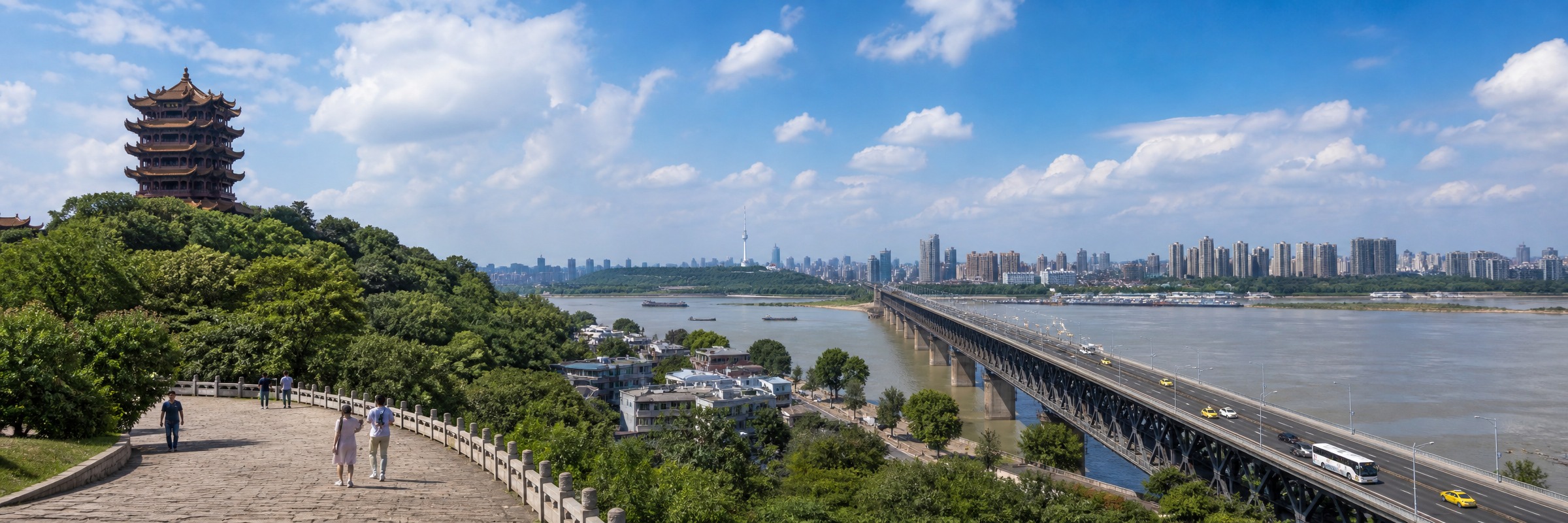
Welcome to Wuhan, the charming city known as the "River City"! Here, the Yangtze and Han rivers converge, giving rise to its unique geographical features and cultural heritage. From the ancient Yellow Crane Tower to the modern Chu River Han Street, from the steaming hot dry noodles to the tranquil East Lake, Wuhan attracts countless explorers with its inclusiveness and vitality. Here, you can feel the pulse of history, savor authentic Hubei flavors, and immerse yourself in the fashion and innovation of this modern metropolis. Get ready to join Xootour on a journey through the streets and alleys of Wuhan, discovering hidden surprises and stories, and embarking on an unforgettable in-depth adventure!
 299 Spots
 140 Stores
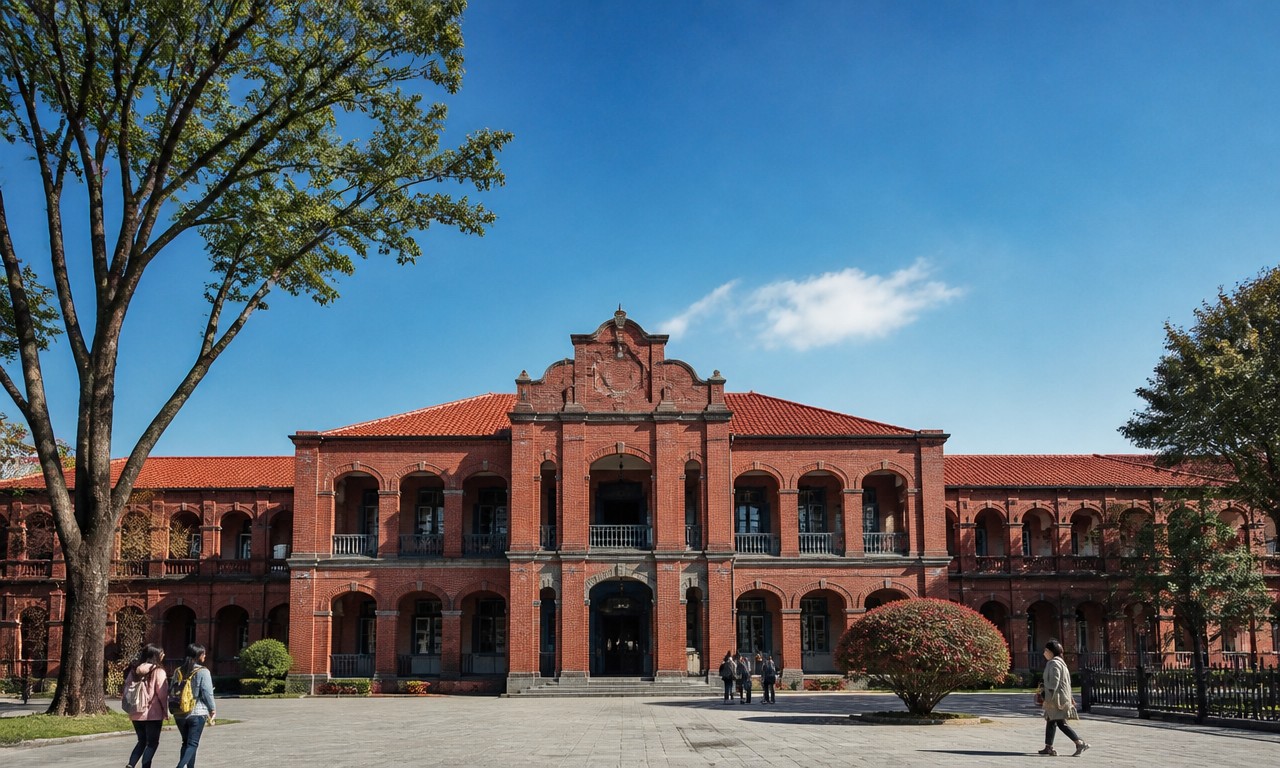
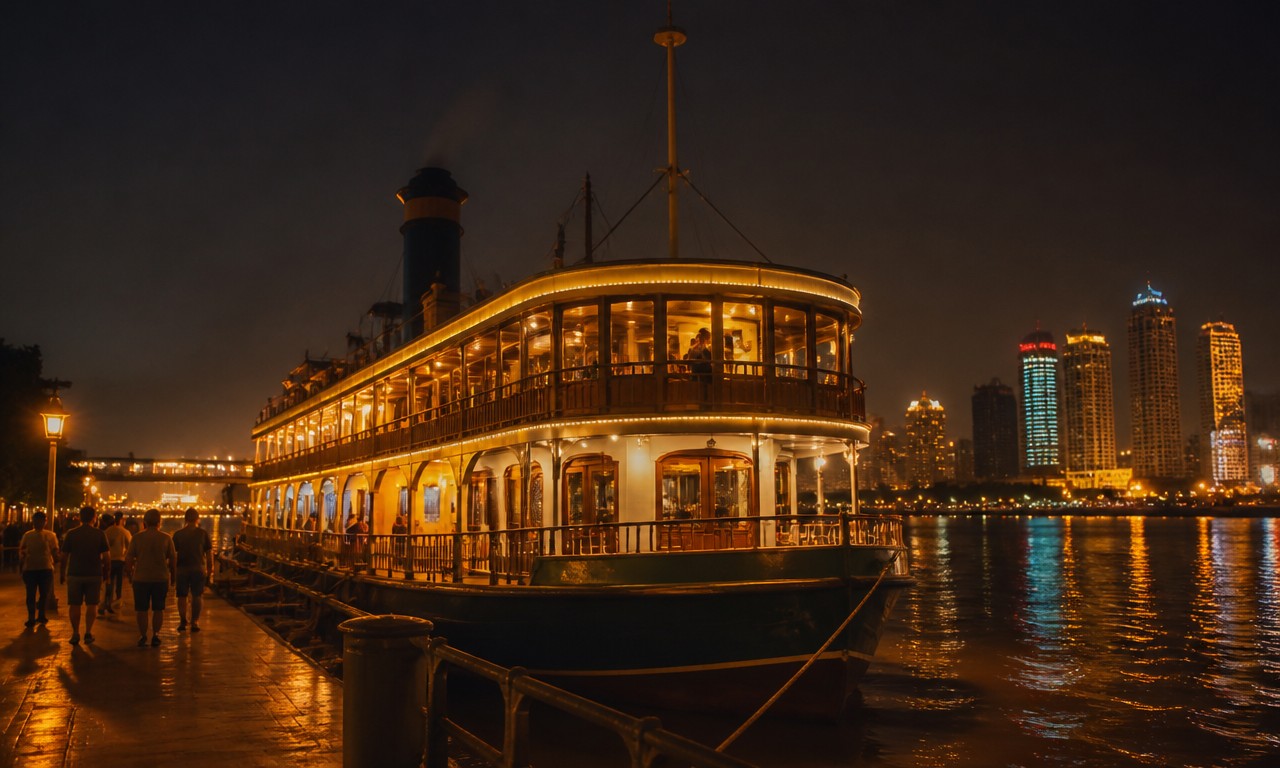
City Introduction

Wuhan is located at 30.5928°N, 114.3055°E in China. With a population of about Approximately 13.7 million+, it uses Renminbi (CNY) and operates in the UTC+8 (Beijing Time) timezone.

Welcome to Wuhan: A City of Charm and Vitality
Wuhan, a megacity located in central China on the middle reaches of the Yangtze River, attracts tourists from all over the world with its unique "river city" charm. The Yangtze and Han rivers converge here, naturally dividing the city into three towns: Wuchang, Hankou, and Hanyang, each carrying distinct historical memories and modern flair. Wuhan is not only one of the birthplaces of Jingchu culture but also a vibrant modern metropolis where the weight of history and the pulse of modern life blend perfectly, offering endless possibilities for in-depth travel enthusiasts.
The accumulation of history and the inheritance of culture
Wuhan boasts a long history and profound cultural heritage. Its most famous landmark is undoubtedly the Yellow Crane Tower , the foremost of the three great towers south of the Yangtze River, embodying the romance and heroism of countless poems and songs. Climbing to the top offers panoramic views of the Yangtze River and the bustling city of Wuhan, allowing one to experience the majestic grandeur of this "First Tower Under Heaven." Beyond the Yellow Crane Tower, Wuhan is also a significant witness to modern Chinese history. The Wuchang Uprising Memorial Hall (Red Building) of the Xinhai Revolution stands solemnly, recounting that turbulent revolutionary era; while the Guqin Terrace tells the timeless tale of Yu Boya and Zhong Ziqi's "High Mountains and Flowing Water," allowing visitors to journey through a historical panorama.
The confluence of two rivers creates a picturesque river city.
The name "Jiangcheng" (River City) is truly fitting. The Yangtze and Han Rivers are the soul of Wuhan. The Wuhan Yangtze River Bridge , the first bridge across the Yangtze River, is not only a transportation hub but also a landmark of Wuhan. Taking a Yangtze River cruise , after nightfall, the lights on both banks are dazzling and colorful, offering a panoramic view of the city's prosperity and romance. Besides the Yangtze River, Wuhan also boasts East Lake , China's largest urban lake. The East Lake Greenway winds for dozens of kilometers, making it an excellent place for cycling and strolling. The lake scenery and urban landscape blend perfectly, creating a breathtaking experience. You can enjoy tea by the lake and experience a slower pace of life, or explore the relics of Chu culture in the Moshan Scenic Area.
A Taste of Wuhan: Authentic Hubei Flavors
When visiting Wuhan, how can you miss its unique cuisine? Hot dry noodles are undoubtedly the city's calling card; the rich aroma of sesame paste, the chewy noodles, paired with diced radish and pickled cowpeas, are the perfect wake-up call for every Wuhan resident. Besides hot dry noodles, there's also the crispy-on-the- outside, tender-on-the- inside three-delicacy bean curd skin with its rich filling; the crispy and delicious fried dough sticks; the thin-skinned, generously filled shumai; and the flavorful and mellow rice noodles in a thick soup. In time-honored food streets like Hubu Alley, Liangdao Street, and Jiqing Street, you can immerse yourself in Wuhan's vibrant street life and authentic snack culture. Furthermore, Wuhan's signature dishes such as duck neck and Wuchang fish are not to be missed; together they form Wuhan's unique and enticing culinary landscape.
The pulse and creative vitality of modern cities
Wuhan boasts not only a rich historical heritage but also modern vitality. Chuhe Han Street is a fashionable district integrating commerce, culture, tourism, and leisure. Its blend of Chinese and Western architectural styles, abundant brand shops, and cultural facilities make it a popular destination for young people and tourists. Optics Valley represents Wuhan's technology and innovation; its towering skyscrapers exude a futuristic feel and serve as a window into Wuhan's modernization process. Meanwhile, Tanhualin is an old street brimming with artistic charm, with its red-brick and green-tiled buildings, creative shops, and cafes, making it a paradise for photography enthusiasts and art lovers. In these areas, you can experience Wuhan's vigorous development as a new first-tier city and its diverse cultural integration.
Immersive Experience: Integrating into Local Life
Xootour encourages you to delve into the streets and alleys of Wuhan and experience the most authentic local life. Take a ferry between Wuchang and Hankou, feeling the gentle breeze on the Yangtze River – the most economical and unique way to cross the river. Explore the old Hankou 's traditional alleyway architecture, experiencing the everyday life and historical imprints of old Wuhan. In a small teahouse on the street, learn from the locals, order a cup of covered-bowl tea, and listen to the elderly people's casual conversations. Or, join a local guide-led food tour to discover the delicious food hidden deep in the alleys and hear the stories behind the dishes.
Three major towns in Wuhan: each with its own unique charm
Each of Wuhan's three towns possesses its own unique charm. Wuchang , a center of history, culture, and education, boasts attractions like the Yellow Crane Tower, East Lake, and the University Town, exuding a rich cultural atmosphere. Hankou , renowned for its bustling commerce, showcases its openness and modernity with its collection of international buildings from the concession era, Jianghan Road Pedestrian Street, and Jiqing Street. Hanyang, while relatively understated, offers cultural relics such as the Guqin Terrace and Guiyuan Temple, making it a perfect destination for seeking tranquility and historical reflection. A deeper understanding of the differences between the three towns will give you a more comprehensive appreciation of Wuhan.
Xootour Recommendation: Exploring Wuhan from a Unique Perspective
Through Xootour, you can book unique experiences led by local guides, such as "Yangtze River Night Cruise with City Storytelling," "In-depth Cycling Exploration of East Lake Greenway," and "A Culinary Journey to Discover Wuhan's Time-Honored Restaurants." These carefully designed routes will take you away from the crowds, allowing you to discover Wuhan's hidden beauty and stories, and truly immerse yourself in the soul of this city.
Travel Tips
Best time to visit: Spring and autumn (March-May and September-November) offer pleasant weather and are the best times to visit Wuhan. Summers are hot, and winters are damp and cold, but each has its own unique charm. Transportation: Wuhan boasts convenient transportation, with Tianhe Airport and high-speed rail connecting to the rest of the country. The city also has a well-developed subway, bus, and ferry network. Accommodation: From luxury hotels to unique guesthouses, Wuhan offers a variety of accommodation options. You can choose from Wuchang, Hankou, or Optics Valley areas according to your preference. Language: Mandarin is the primary language, but locals also speak the Wuhan dialect.
Wuhan, this vibrant city on the river, brimming with history and charm, awaits your arrival. It's not only a historic city but also a modern metropolis constantly innovating and brimming with vitality. Come, join Xootour on an in-depth exploration of Wuhan and experience the city's unique charm and warmth!
Popular Spots
Recommended Stores
Cultural & Art Tour
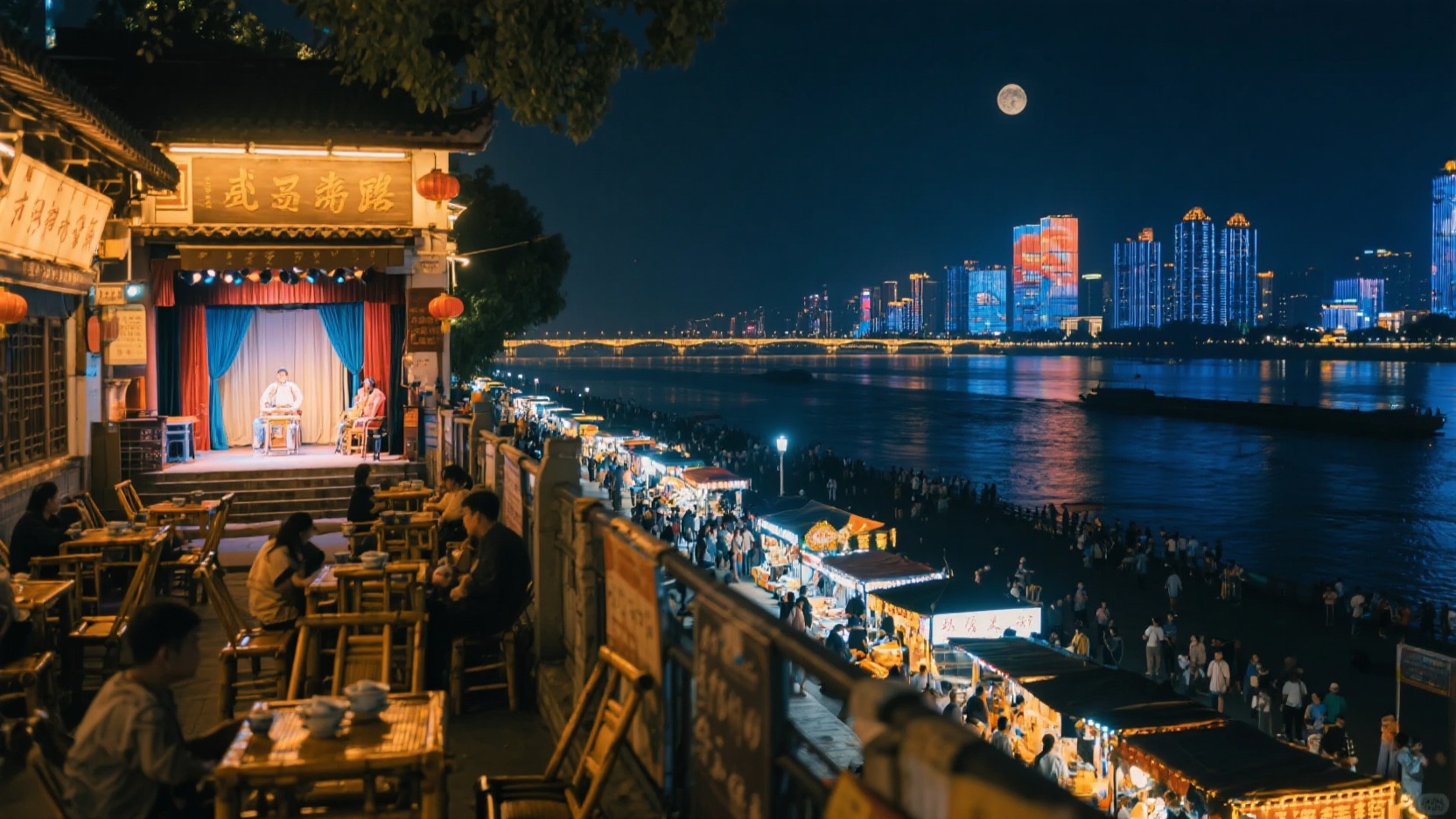
Avoid the pitfalls of nighttime tourism in Wuhan | From the riverside lights to listening to Han opera in old teahouses, a local's guide to a less-traveled route (personally tested)
Don't just visit the Yangtze River light show for a night tour in Wuhan. This blogger's personally tested Wuhan cultural and artistic night tour route goes from Hanyang River Beach to Rose Street Nigh
文化中心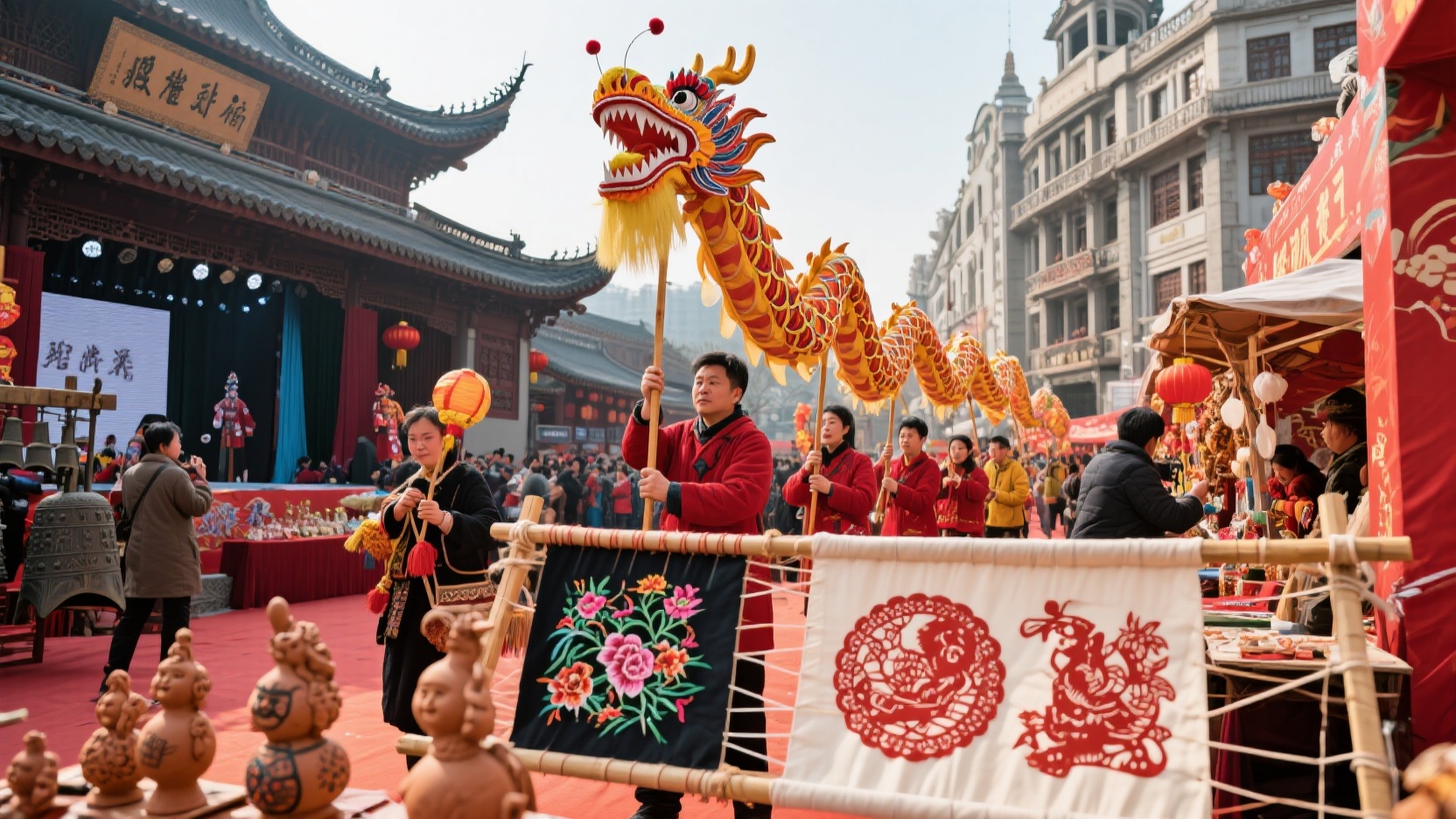
A Wuhan Festival Diary: Spending Half a Day as a Wuhan Local at the Guiyuan Temple Fair, Han Embroidery Stands, and Backstage of Chu Opera
A trip to Wuhan isn't just about seeing the chime bells at the Hubei Provincial Museum; it's about immersing yourself in the festivals and intangible cultural heritage events. This article traces four
文化中心Featured Stays
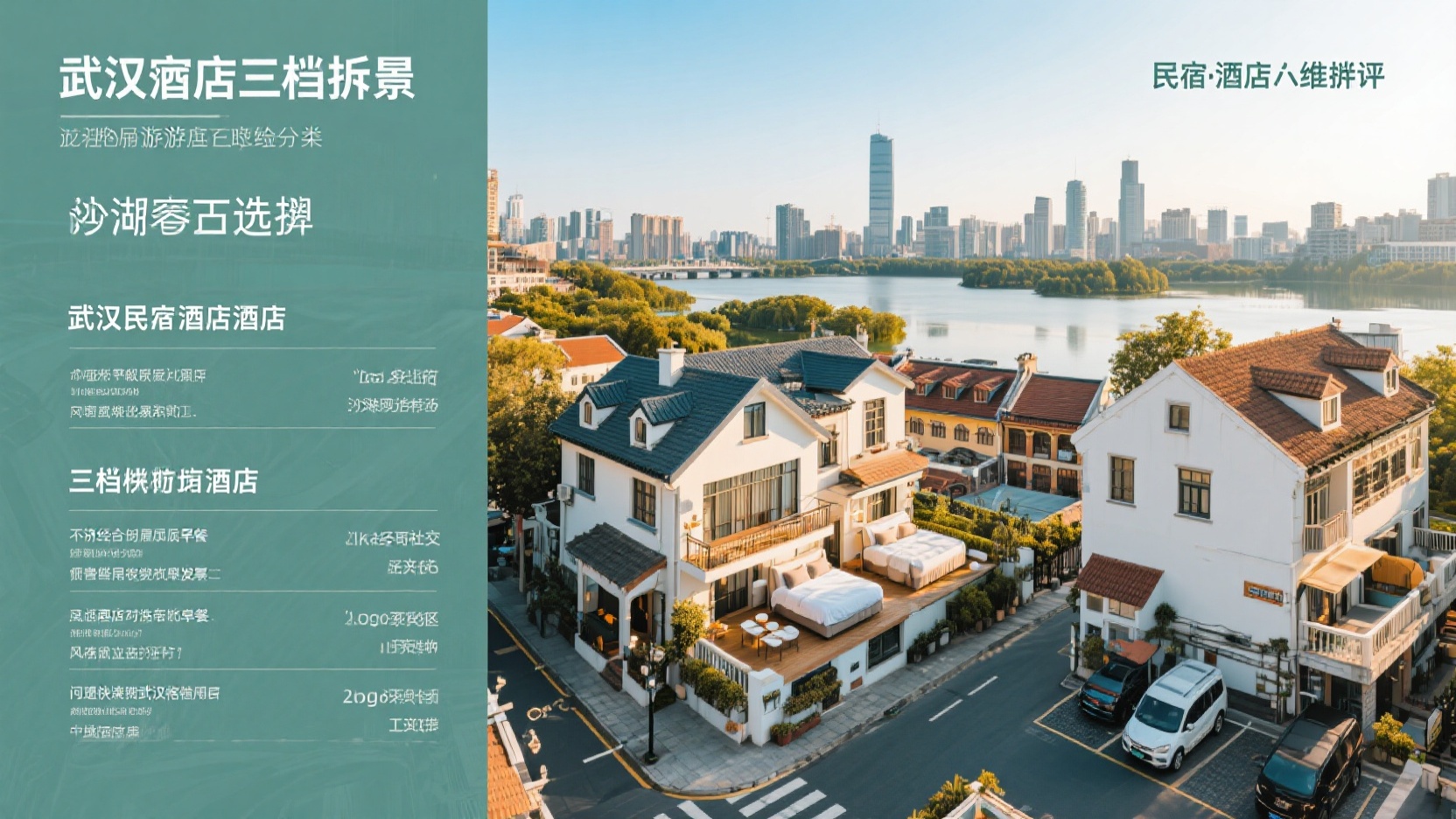
A breakdown of Wuhan's accommodation options across three tiers: a six-dimensional comparison of homestays and chain hotels (a checklist to avoid pitfalls).
How to choose accommodation in Wuhan? This blogger's hands-on review compares guesthouses and chain hotels in three distinctive accommodation areas: Hankou Old Concession, Shahu Han Street, and East L
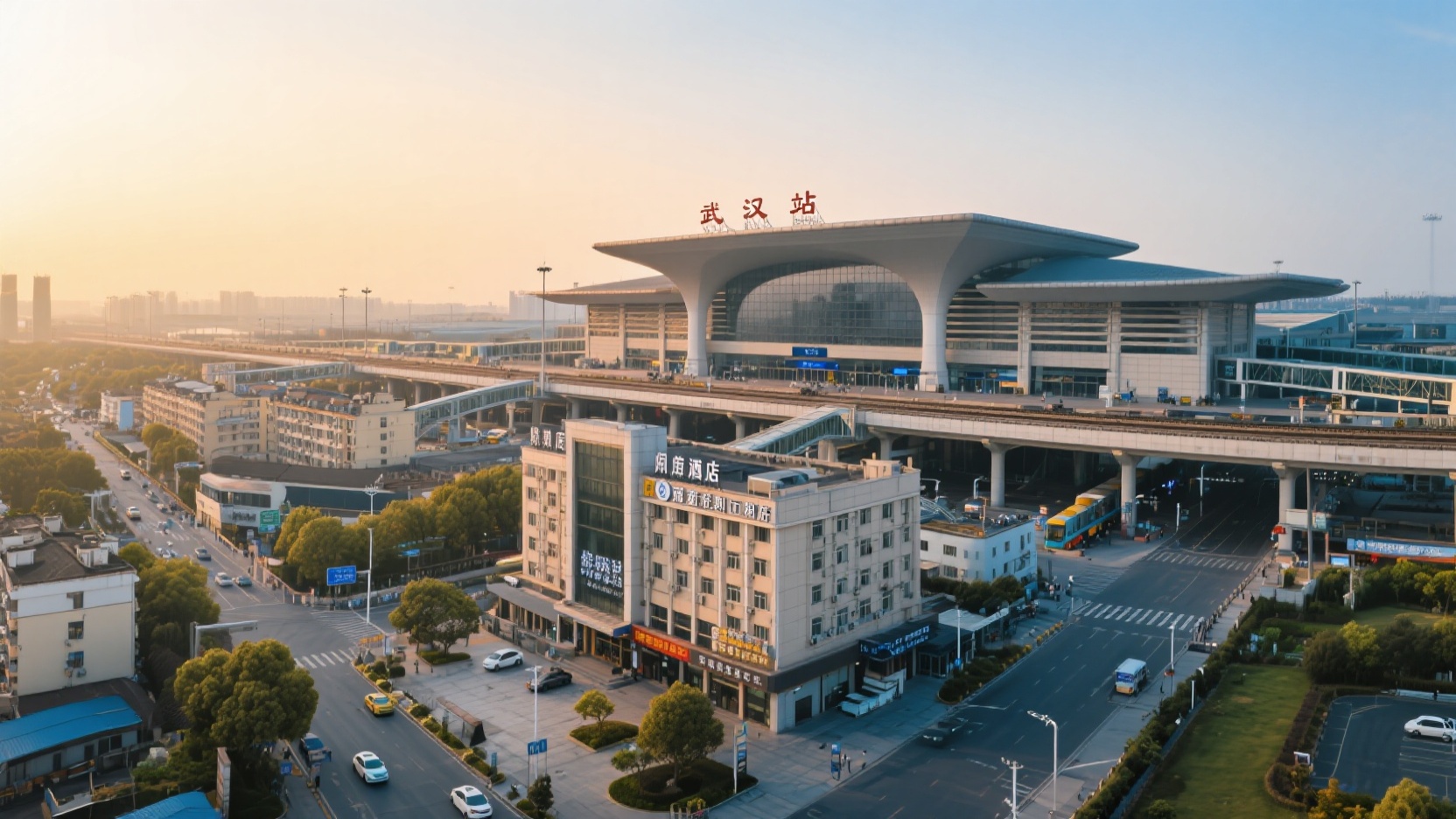
Don't just stay anywhere in Wuhan! A list of cost-effective areas within 2 kilometers of four major transportation hubs (including first and last bus times and tips to avoid pitfalls).
How to choose accommodation near Wuhan High-speed Railway Station? What are some affordable hotels around Tianhe Airport? This guide to accommodation near Wuhan's transportation hubs covers areas with
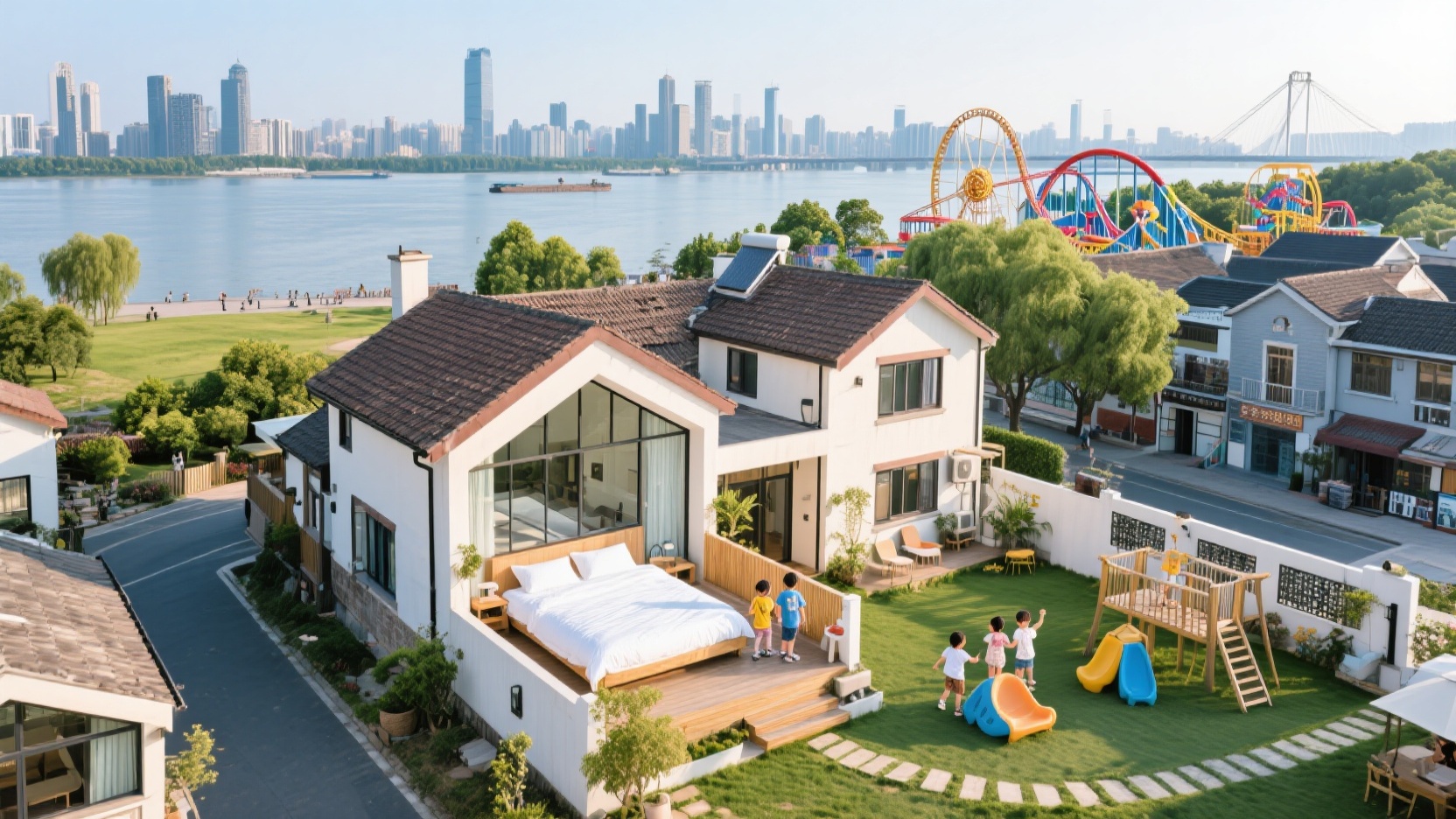
Sleeping with Kids in the Wind of Wuhan: An Analysis of Four Types of Family-Friendly Accommodation Areas
How to choose family-friendly accommodations in Wuhan? This article breaks down Wuhan's distinctive accommodation areas into four categories: design-oriented homestays, river-view rooms, renovated old
Featured Foods
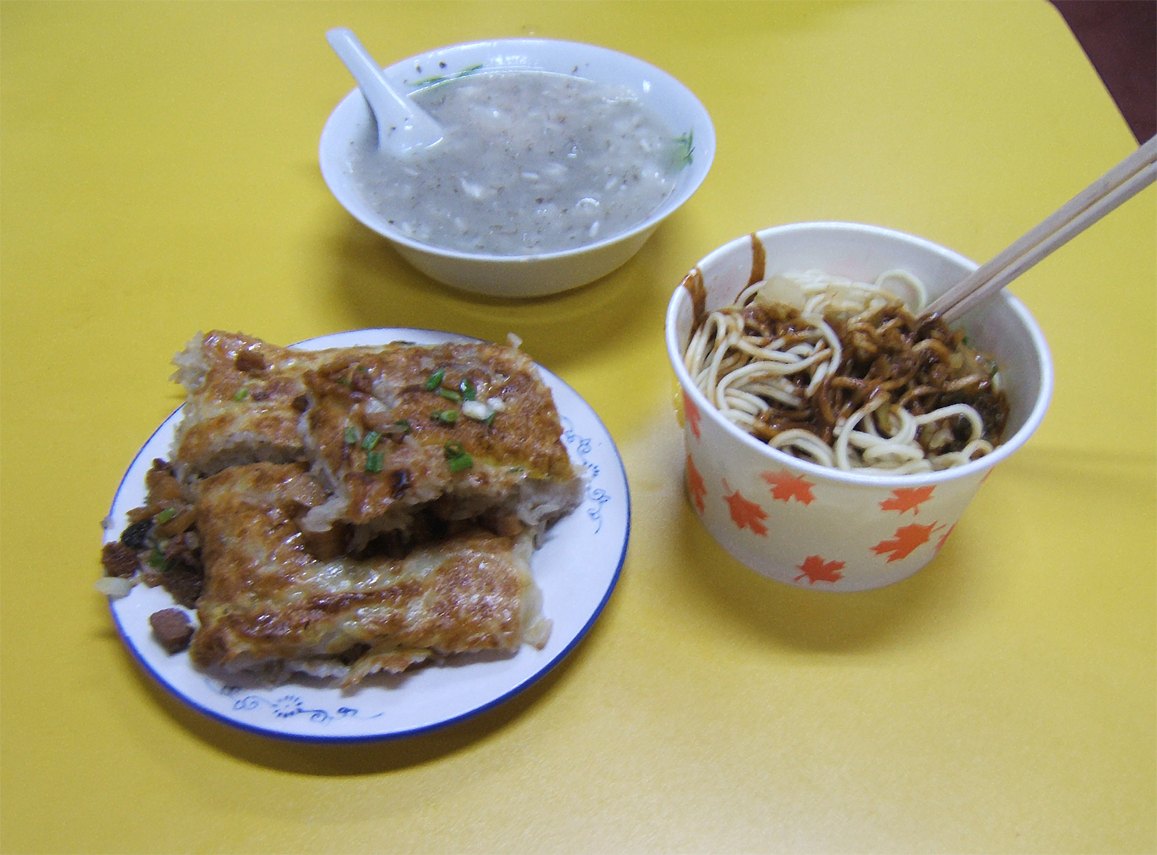
Wuhan Breakfast Guide: Hot Dry Noodles and More
A practical 武汉 route for early risers and food-focused visitors, with realistic pacing, transport logic and common mistakes to avoid.
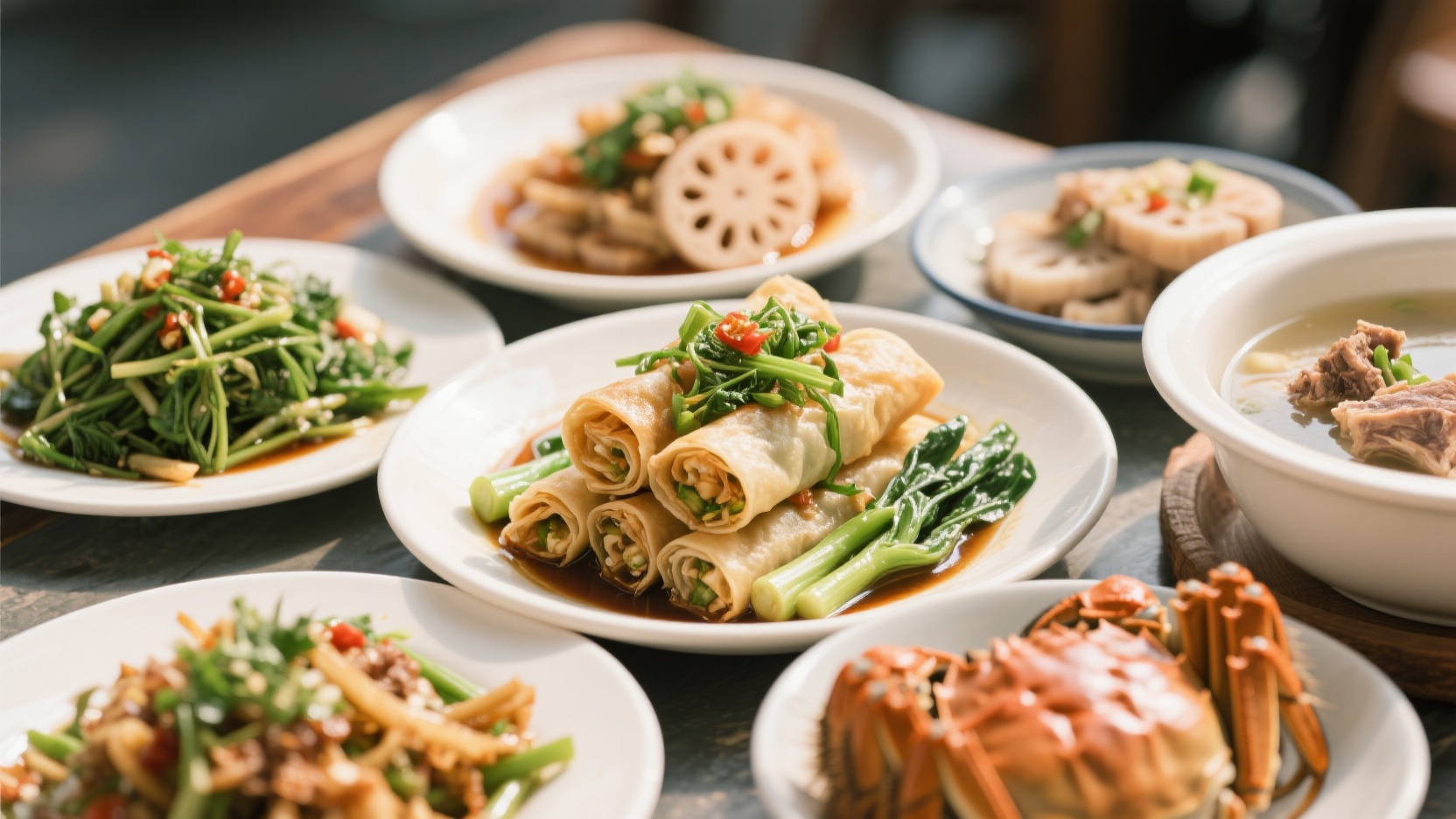
Eating in Wuhan according to the solar terms | Blogger's personal review of 8 seasonal dishes (miss it and you'll have to wait another year)
How can you avoid making a mistake when trying Wuhan's seasonal delicacies? This list of Wuhan's seasonal delicacies, organized by the four seasons, features 8 dishes that are only truly delicious whe
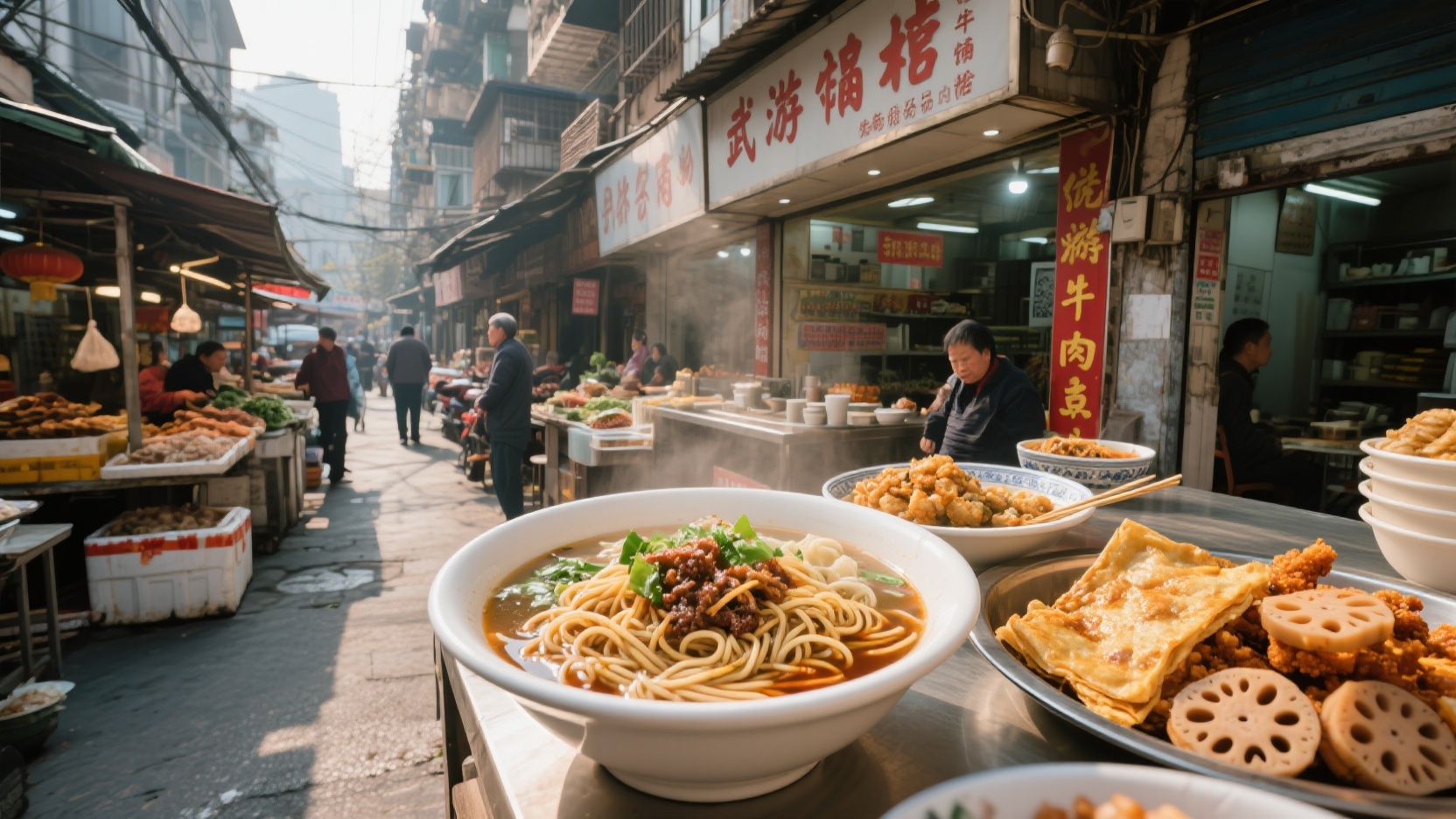
These 8 restaurants in Wuhan | A local favorite compiled by a blogger after three trips (non-popular, including places to avoid bad deals)
Wuhan's culinary specialties aren't necessarily on the must-eat list. This blogger's local secrets list, compiled after three trips, takes you to the back gates of old alleyways, vegetable markets, an
Featured Blogs & Guides
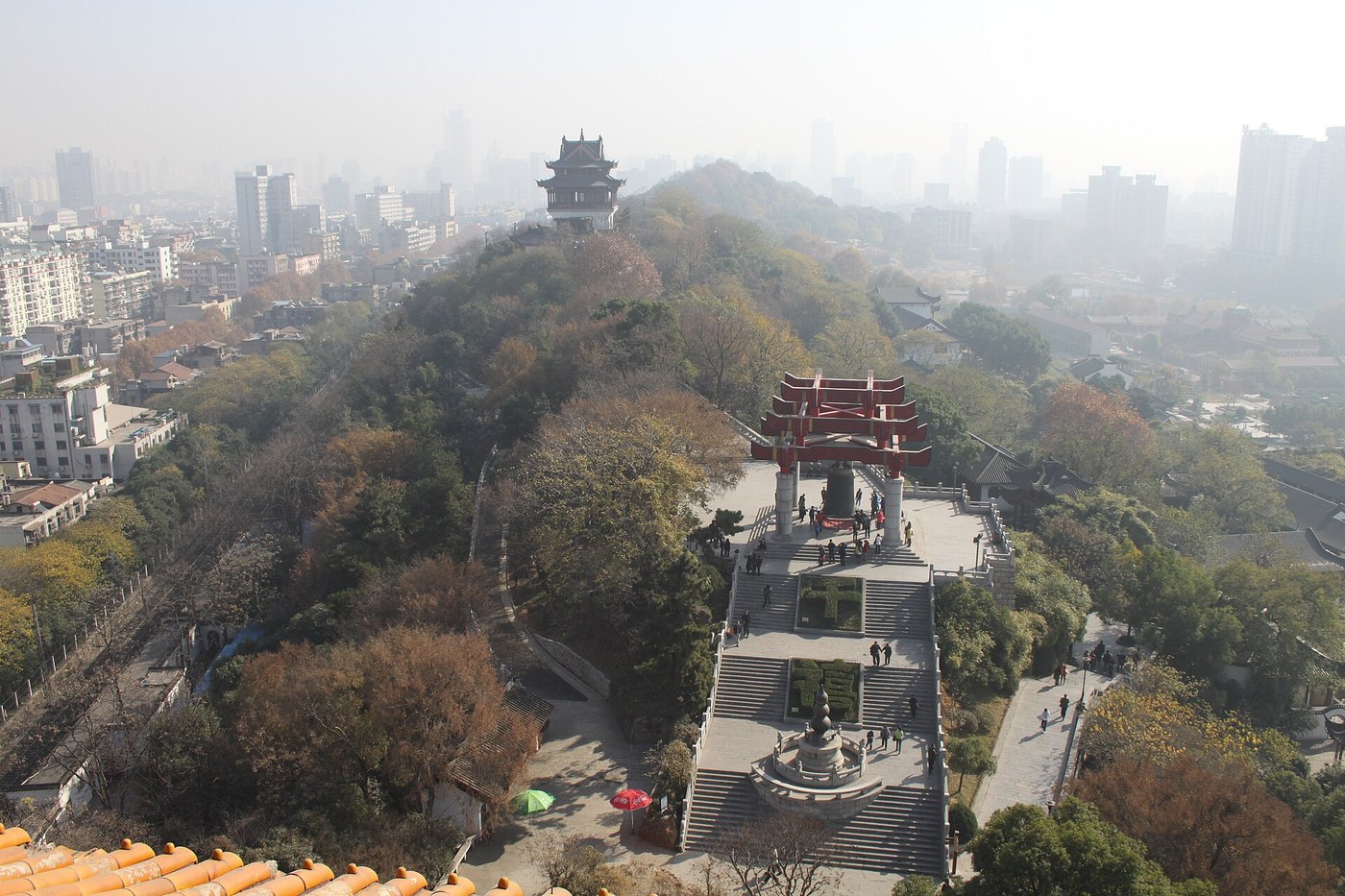
Wuhan River City Day: Yellow Crane Tower to Hankou
A practical 武汉 route for urban-history and river-city travellers, with realistic pacing, transport logic and common mistakes to avoid.
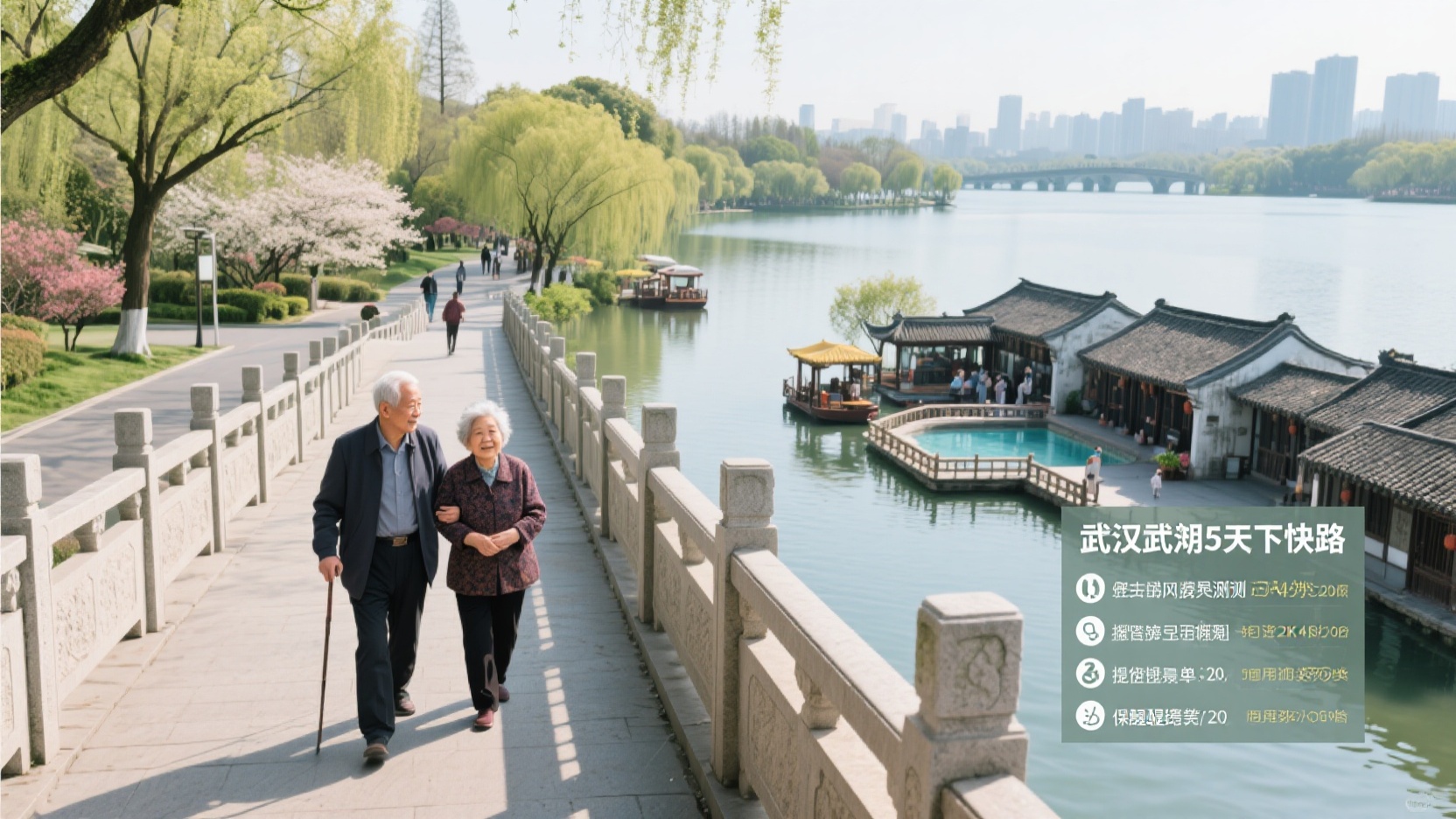
Five days in Wuhan without rushing: A slow-paced travel route for seniors, personally tested by a blogger with her parents (with a 20-item packing list).
This is a 5-day, 4-night itinerary for a leisurely trip to Wuhan with parents, designed specifically for senior citizens. It's been personally tested and only includes one or two key destinations each
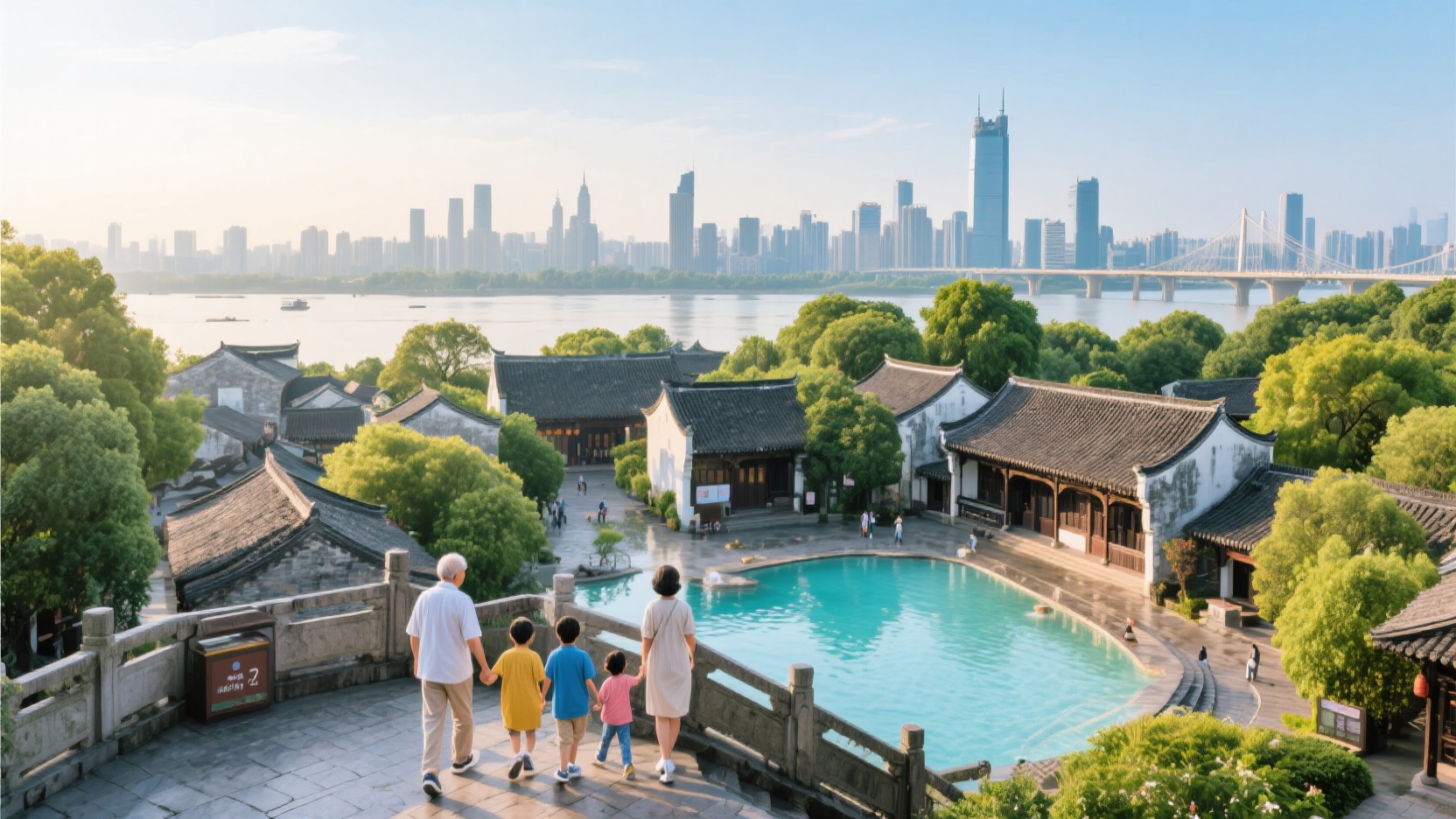
A 7-Day Slow Travel Itinerary in Jiangcheng: A Choice Between the Three Towns and the Suburbs, Suitable for Those Taking Time Off, Families, and Retirees
This article provides a practical seven-day, six-night in-depth slow-paced tour itinerary for Wuhan, divided into day plans for Hankou, Wuchang, Hanyang, and the surrounding suburbs. Days 3 and 4 incl