
Taiyuan, the Noodle Capital | More Than Just Knife-Cut Noodles: Unlocking Authentic Shanxi Flavors
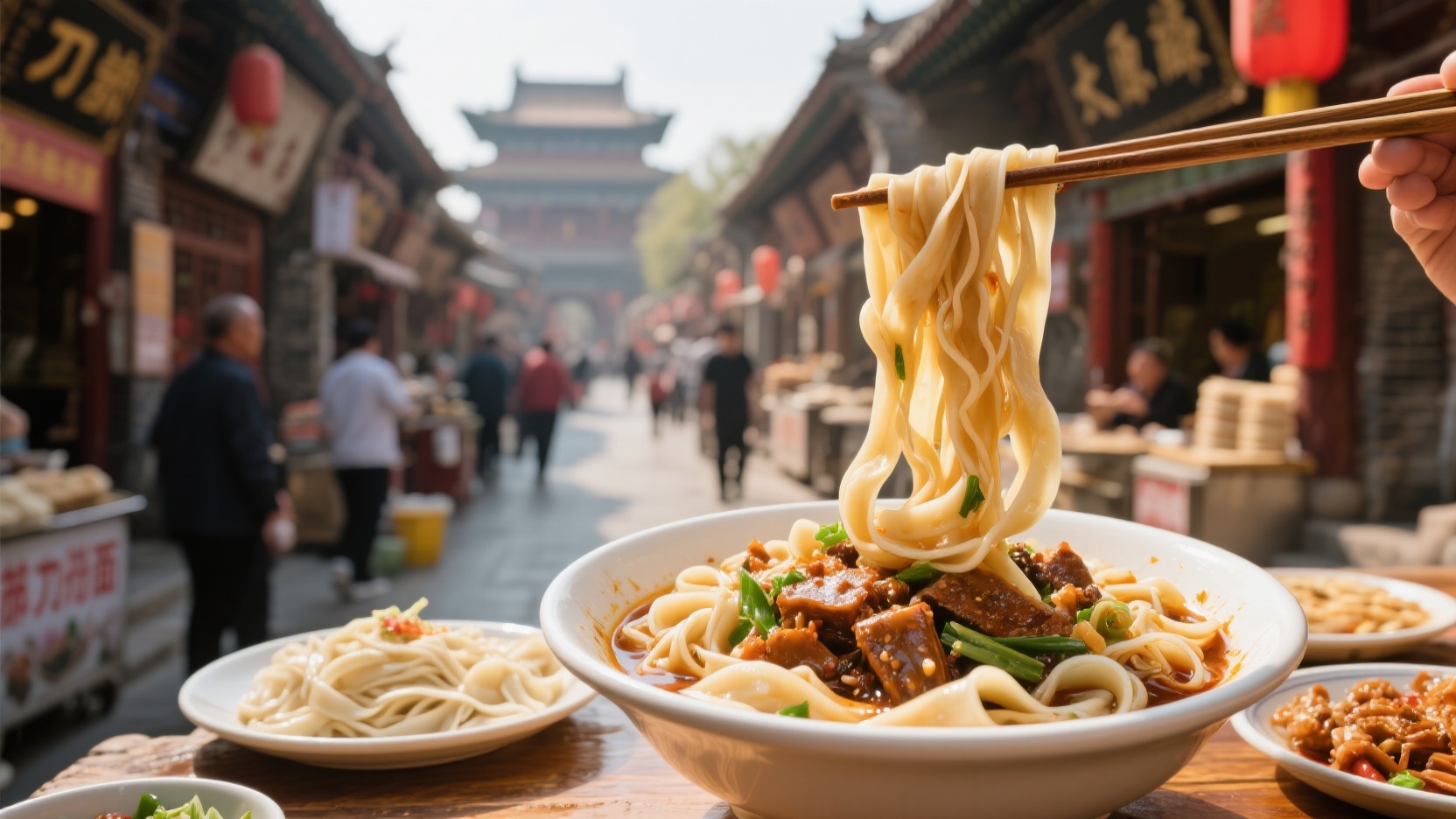
Taiyuan, this ancient city steeped in history, is not only the political, economic, and cultural center of Shanxi, but also a veritable "Noodle Capital" and the birthplace of Jin cuisine. Its culinary culture is deeply rooted in Shanxi, using noodles as its foundation and blending the robust flavors of northern cuisine with the exquisite taste of local ingredients, forming a unique culinary system. For travelers seeking authentic local cuisine, Taiyuan's dining experience is undoubtedly an unmissable culinary adventure.
Must-try signature dishes list
The essence of Taiyuan's cuisine lies in its respect for ingredients and the inheritance of culinary techniques. Here are some authentic local dishes you shouldn't miss in Taiyuan:
- Knife-cut noodles: As a representative of Shanxi noodles, knife-cut noodles are famous for their unique production process—"the knife never leaves the dough, and the dough never leaves the knife; a single steel knife, used with effortless skill." The noodles are smooth on the outside and chewy on the inside, soft but not sticky, and become more fragrant the more you chew. Common toppings include meat sauce, tomato and egg, and fried sauce, and are especially delicious with a spoonful of Shanxi aged vinegar. Their chewy texture is a benchmark for judging the quality of Taiyuan noodles.
- Tou Nao: This is a unique and nourishing breakfast in Taiyuan, also known as "Eight Treasures Soup." It is made by simmering a variety of ingredients, including mutton, yam, lotus root, astragalus, long yam, braised noodles, fermented rice wine, and Shaoxing wine. The soup is milky white, with a rich and mellow flavor, a subtle medicinal aroma, and a hint of sweetness from the fermented rice wine. It is believed to have warming and nourishing effects. It is usually served with a "Mao He" (a type of baked pastry) and is an indispensable part of experiencing the morning life of Taiyuan locals.
- Braised Pork: As the top of Shanxi's ten classic dishes, braised pork is widely loved for its golden color, tender exterior and interior, and rich vinegar aroma. It is made with pork tenderloin, which undergoes multiple processes including marinating, blanching, and stir-frying, and is served with ingredients such as wood ear mushrooms and bamboo shoots. Its texture is smooth and tender, with a savory flavor and a hint of the rich, sour aroma of Shanxi aged vinegar, making it an excellent choice for accompanying rice or drinks.
- Lamb Offal Stew: This is a common street food in Taiyuan, made by simmering together lamb offal (such as liver, tripe, lungs, and intestines). The broth is rich and flavorful, full of lamb taste, and served piping hot with cilantro, scallions, chili oil, and other seasonings. Its complex flavor makes it an excellent way to experience the vibrant, everyday life of Taiyuan.
- Shaomai: Taiyuan's shaomai (also known as shaomai) differs from southern shaomai. It is typically filled with pork and scallions or mutton and carrots, with a thin skin and generous filling, pleated like a pomegranate, and an open top. After steaming, the filling is plentiful and juicy, while the skin is chewy. It is a popular local snack.
- Tijian: Also a representative of Shanxi noodles, Tijian has a unique preparation process. The dough is scraped from a board and dropped into boiling water using chopsticks or a special tool. The noodles are thin at both ends and thick and round in the middle, resembling small fish. They have a smooth and chewy texture, are easy to digest, and are often served with various braised dishes or stir-fries.
- Shanxi aged vinegar: Although not a dish, Shanxi aged vinegar is the soul of Taiyuan and even the entire Shanxi cuisine. It has a dark purple color, a clear appearance, a mellow and sour taste, and a rich aroma. In Taiyuan, almost every dish uses vinegar; whether it's for mixing noodles, dipping dumplings, or stir-frying, a spoonful of aged vinegar can instantly elevate the flavor of a dish. To truly experience the charm of Taiyuan cuisine, one must appreciate the allure of aged vinegar.
Local favorites for food
To truly experience Taiyuan's food culture, the key is to explore the neighborhoods frequented by locals. These places often hide the most authentic and cost-effective culinary delights.
- Food Street: As one of Taiyuan's most famous food streets, Food Street brings together numerous Shanxi specialties and regional delicacies. While some shops cater to tourists, the time-honored brands and local favorites are still worth exploring. It's recommended to avoid peak hours and choose shops where the queues are mostly filled with locals.
- Liuxiang Commercial District and Surrounding Area: Liuxiang is the most bustling commercial district in Taiyuan. Hidden in its surrounding streets and alleys are many time-honored restaurants and hole-in-the-wall eateries. For example, in areas such as Zhonglou Street and Qiaotou Street, you can often find noodle shops and snack shops that have been in business for many years. They may not have fancy decorations, but they carry the taste memories passed down from generation to generation by the people of Taiyuan.
- The Old Military Camp area: This is a relatively old residential area with a strong sense of local life. Most of the restaurants here cater to the surrounding residents, so the prices are affordable and the food is authentic. Whether it's a hearty breakfast, noodles for lunch, or home-style dishes for dinner, you can find something to your liking here. A bit of exploration is required, but the rewards are often pleasantly surprising.
- Along Xuefu Street/Wucheng Road: Close to the university town, this area boasts a more diverse range of restaurants, from traditional snacks to modern eateries. Prices are generally reasonable, and there are many innovative flavors to cater to the needs of students. It's a great place for young people and those seeking value for money.
Tips for avoiding overpriced and overpriced shops and tourist attractions
While enjoying the delicious food in Taiyuan, you should also be wary of some potential pitfalls to ensure that your culinary journey is worthwhile.
- Popular online stores:
- Criteria for identification: Many trendy restaurants focus excessively on decor and advertising, neglecting the food itself. To determine whether a restaurant is worth visiting, don't just look at pictures and videos on social media; pay more attention to genuine reviews from local users on local review platforms (such as Dianping), especially those that provide detailed descriptions of the taste and service.
- Queuing: Long queues do not equal high quality. Some popular restaurants have long queues due to scarcity marketing or limited space. If the wait is too long, consider finding nearby alternatives; Taiyuan has no shortage of traditional restaurants with similar or even better flavors.
- Menu pricing: Foods at trendy restaurants are often more expensive than those at traditional restaurants, and portions may be smaller. Before ordering, carefully review the menu, compare prices with dish descriptions, and avoid paying inflated "trendy premiums."
- Scenic spot premium:
- Location: Restaurants located inside or near the entrance of famous scenic spots (such as Jinci Temple, Shanxi Museum, etc.) are usually more expensive than similar restaurants in the city, and the quality of the dishes varies.
- Dining strategy: It is recommended to walk to a neighborhood a little further away from the entrance (500 meters to 1 kilometer) before or after visiting the scenic area for a meal. These areas often have more restaurants frequented by locals, with reasonable prices and more authentic flavors.
- Plan ahead: Before heading to the scenic area, search for nearby restaurants on a map app or consult local residents for reliable dining recommendations. Avoid hastily choosing a restaurant within the scenic area when hungry.
- Clearly marked prices: Wherever you dine, be sure to choose a restaurant that clearly displays its prices. Be cautious about patronizing stalls that lack a clear menu or have ambiguous prices.
Slow down and savor the unique vibrancy and profound cultural heritage of Taiyuan through its cuisine.