
Ancient Charm of Hebei | A Deep Dive into Shijiazhuang's Culture and Art
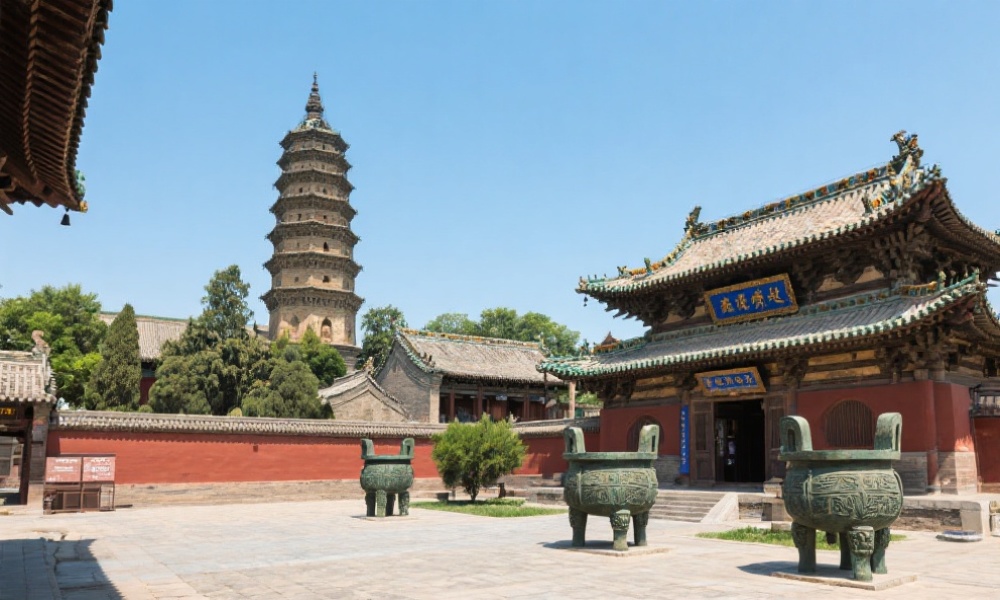
Shijiazhuang, the capital of Hebei Province, is often seen as a modern industrial city. However, this land of Yan and Zhao harbors a rich historical and cultural heritage and unique artistic charm. It was once a strategically vital location, and a hub where Buddhist culture and Confucianism intersected. This column will guide you on an in-depth journey centered on culture and art, leading you beyond superficial observation to immerse you in the unique narrative of this city and its surrounding historical sites.
First stop: Hebei Provincial Museum – An epic scroll of Yan-Zhao civilization
A cultural and artistic journey through Shijiazhuang must begin with the Hebei Provincial Museum. As a national first-class museum, it is not only a cultural landmark of Hebei Province but also an encyclopedia for understanding the thousands of years of civilization of the Yan-Zhao region. The museum boasts a rich collection, especially renowned for its two major series of artifacts: the "Mancheng Han Tombs" and the "Warring States Zhongshan State," providing visitors with a precious window into the ancient Zhongshan State and the prosperous Western Han Dynasty.
Upon entering the exhibition hall, the first thing that catches the eye is the "Changxin Palace Lamp." This bronze artifact from the Western Han Dynasty astonishes the world with its exquisite design and environmentally friendly concept. A palace maid holds the oil lamp, and the soot can be channeled through her right arm into the clean water inside the lamp body, effectively reducing air pollution and demonstrating the remarkable wisdom and pursuit of quality of life by the ancients. Its elegant shape and exquisite craftsmanship represent the pinnacle of Han Dynasty bronze casting art.
The "Mancheng Han Tombs" exhibition area showcases artifacts unearthed from the tombs of Liu Sheng, Prince Jing of Zhongshan, and his wife Dou Wan, both from the Western Han Dynasty. Among them, the jade burial suit, a typical example of the Han Dynasty imperial and aristocratic burial system, is composed of thousands of jade pieces woven with gold thread, symbolizing the idea of "immortality" and ascension to immortality. These jade suits not only embody exquisite craftsmanship but also materialize the Han Dynasty's concepts of life and the universe. In addition, artifacts such as the gold and silver inlaid bronze tiger-devouring-deer screen base and the gilded silver-inlaid jade bronze scepter all demonstrate the luxurious lifestyle and advanced metalworking skills of the Han Dynasty aristocracy.
The "Warring States Period Zhongshan State" exhibition area reveals a mysterious kingdom once shrouded in the dust of history. Although Zhongshan was a "state with a thousand chariots," it tenaciously survived amidst the seven major warring states and created a unique bronze culture. Excavated artifacts, such as the gold and silver inlaid four-dragon and four-phoenix design and the fifteen-lamp set, feature intricate patterns and unique shapes, blending artistic styles from the Central Plains and northern ethnic groups, showcasing the extraordinary imagination and casting skills of Zhongshan artisans. Here, you can experience an independent and creative civilization through these artifacts.
At the Hebei Provincial Museum, it is recommended to set aside at least half a day to carefully appreciate the stories behind each cultural relic. They are silent historians, telling the stories of the vicissitudes and artistic evolution of the Yan and Zhao lands.
Second stop: Zhengding Ancient City – A Thousand Years of Buddhist Charm and Historical Landscape
Driving north from downtown Shijiazhuang, it takes about 30 minutes to reach Zhengding Ancient City. This national historical and cultural city, with a history of over 1600 years, is renowned for its "nine towers, four pagodas, eight major temples, and twenty-four golden archways," and is a living fossil for the study of ancient Chinese architecture, Buddhist culture, and historical geography. Here, you will embark on a profound journey through time.
Longxing Temple: A Treasure Trove of Northern Buddhist Art
Longxing Temple in Zhengding, also known as Dafosi Temple, was first built in the sixth year of the Kaihuang era of the Sui Dynasty (586 AD). It is one of the best-preserved and largest Song Dynasty Buddhist temples in China. The core building of the temple, the Mani Hall, was praised by Mr. Liang Sicheng as "an artistic masterpiece." Its unique floor plan and the structure of the four-sided porch are unique in ancient Chinese architecture. The hall preserves statues from the Northern Song Dynasty, especially the Guanyin statue in a reversed posture, whose serene posture and vivid expression were praised by Mr. Lu Xun as "the goddess of beauty in the East."
The most awe-inspiring sight in the temple is undoubtedly the Thousand-Armed and Thousand-Eyed Guanyin statue in the Great Compassion Pavilion. This 21.3-meter-tall bronze Guanyin statue, cast in the fourth year of the Kaibao era of the Northern Song Dynasty (971 AD), is one of the tallest bronze Buddhist statues in ancient China. The Guanyin statue has a benevolent face, wears a veil, and has forty-two arms, each holding a different implement, symbolizing the Bodhisattva Guanyin's great vow to save all sentient beings. Around the Buddha, you can also admire exquisite Song Dynasty murals and Ming Dynasty sculptures, experiencing the evolution and inheritance of Buddhist art in different historical periods.
At Longxing Temple, slow down and feel the ancient architectural complex and solemn Buddhist atmosphere. Every stop is a dialogue with history.
Kaiyuan Temple's Sumeru Pagoda and Linji Temple: Tang and Song Dynasty Legacy and the Origins of Chan Buddhism
Leaving Longxing Temple, you can walk to the Xumi Pagoda of Kaiyuan Temple. This brick pagoda, built during the Zhenguan era of the Tang Dynasty (627-649 AD), is one of the oldest existing Tang Dynasty brick pagodas in China. Its square shape and simple, powerful lines have allowed it to stand majestically for over a thousand years, witnessing the rise and fall of the ancient city of Zhengding. Beside the pagoda is a Tang Dynasty stone-carved tortoise stele, a valuable artifact for studying Tang Dynasty calligraphy and stone carving art.
Not far away is Linji Temple, the ancestral temple of the Linji school of Chan Buddhism. Founded by the Tang Dynasty monk Yixuan, the Linji school was later introduced to Japan, becoming one of the mainstream schools of Japanese Chan Buddhism. Within the temple stands the Chengling Pagoda, the stupa containing Yixuan's robe and bowl. Although the temple is not large in scale, its profound Chan Buddhist cultural heritage attracts pilgrims from home and abroad. Here, you can experience the wisdom of Chan Buddhism—"directly pointing to the mind, seeing one's true nature and attaining Buddhahood"—and find inner peace.
Intangible Cultural Heritage Experience: A Glimpse of Zhengding's Traditional Culture
In Zhengding Ancient City, besides the magnificent ancient architecture, there is also a vibrant transmission of traditional intangible cultural heritage. For example, the Zhengding Changshan War Drum, with its rugged and powerful style, showcases the heroic spirit of the people of Hebei and is a national intangible cultural heritage. Although large-scale performances may be rare on a daily basis, you can find handicrafts related to Zhengding's traditional culture, such as paper-cutting and clay sculptures, in the cultural and creative shops or specialty stores within the ancient city, bringing this cultural memory home with you.
The restoration and opening of the Zhengding Ancient City Wall provides visitors with an excellent vantage point to enjoy panoramic views of the ancient city. Strolling along the city wall and experiencing the blend of historical weight and modern vitality is the perfect way to conclude your Zhengding cultural journey.
Conclusion: Slowly travel through Hebei and Zhao, savoring its profound culture.
A cultural and artistic journey through Shijiazhuang is not a superficial visit to tourist attractions, but a profound cultural experience that requires careful observation and appreciation. From the grand narrative of the Hebei Provincial Museum to the millennia-old Buddhist charm of Zhengding Ancient City, every site and every artifact carries the weight of history and the essence of art. XOOTOUR suggests you slow down, allow ample time, and let your soul engage in a profound dialogue with these ancient civilizations. On this land of Yan and Zhao, you will discover a cultural treasure far exceeding your expectations.