
Shenyang 4km Artistic Citywalk | A Blogger's Third Visit to Compile a Route Through Old Streets and Alleys (Including 2 Side Routes + Morning Market Spots)
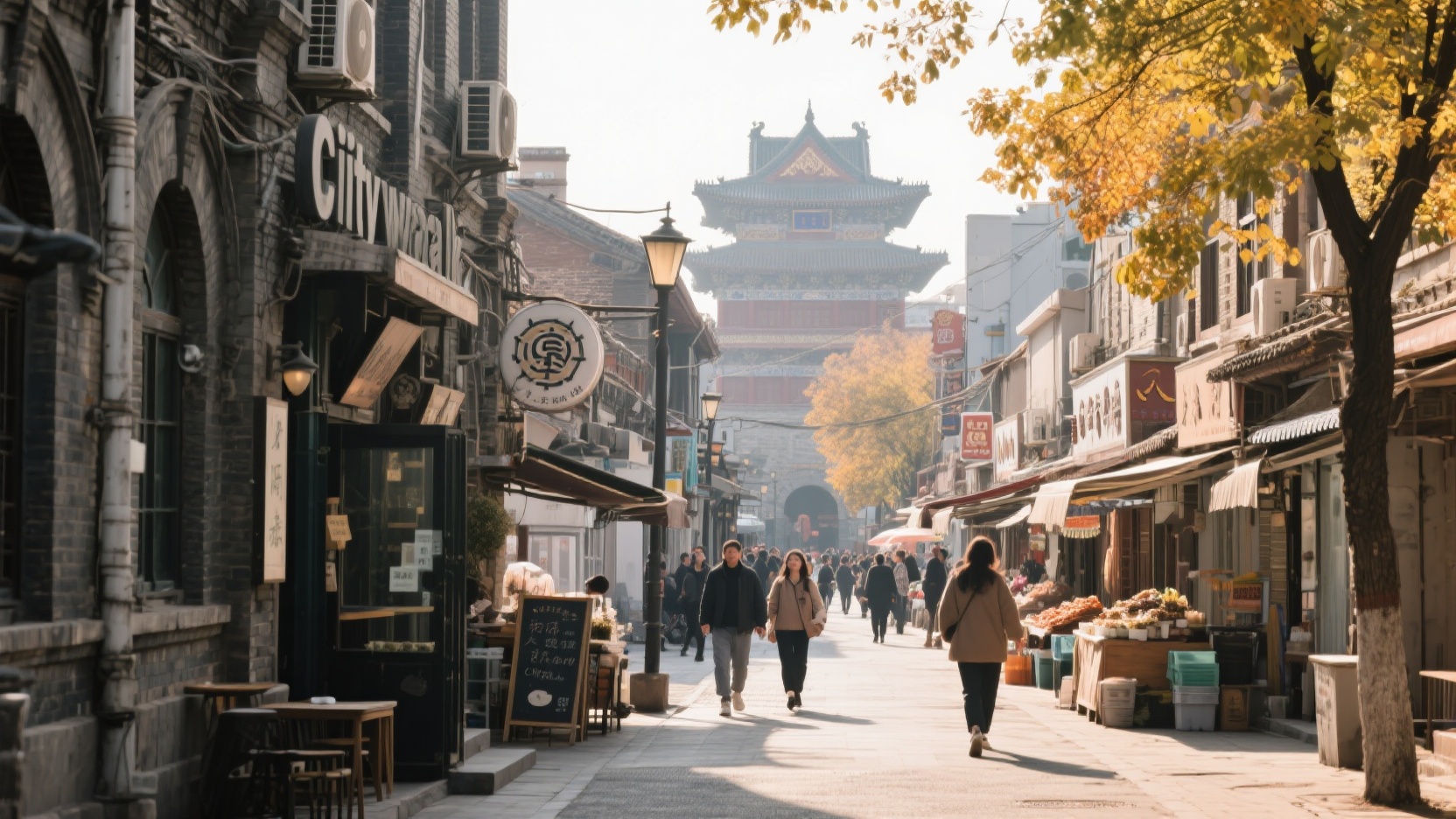
This was my third time hiking this route in Shenyang, and only then did I remove Zhongjie Street and the Imperial Palace from my list. It's not that they're bad, but the places where you can truly sit down and observe the city breathe are often hidden along Zhongshan Road: old banks, old post offices, and alleyways at eight in the morning. My route starts from Zhongshan Square, heading east along Zhongshan Road, avoiding main roads and focusing on the paved paths under the shade of trees. The entire route is about 4.1 kilometers, including two side streets, and takes about an hour and a half on foot, but I recommend allowing at least three hours—because you'll find yourself stopping to take photos. First-timers often get stopped by coffee shops along the way, so I'll explain the route in order, highlighting places worth stopping for five minutes.
First section: Zhongshan Road European-style street, capturing the "old Fengtian" feel of the Republican-era architecture (approximately 1.2 kilometers, 25 minutes walk).
Starting from Zhongshan Square, don't rush towards Zhongjie Street. The square is surrounded by old bank buildings, almost deserted before 9 AM. The morning light shines from the east, casting a thin, warm hue on the stone pillars and bronze doors. My camera position was under the ginkgo tree in the southeast corner of the square. I used a wide-angle lens to capture the arched building complex, placing the subject in the lower left corner—a much more sophisticated look than a typical tourist photo. Why it's worth spending five minutes looking: these buildings aren't renovated antiques; the cracks in the exterior walls and the oxidation marks on the bronze doors are still there, clearly showing the urban aesthetics of the Fengtian era.
Heading east along Zhongshan Road, you'll see rows of arcade-style shops with old-fashioned shop windows. Near the intersection of Zhongshan Road and Guilin Street, take a photo of the street sign alongside the old buildings – the best "old Fengtian" vantage point on this street. Don't wear headphones during this part; the sounds of tram tracks and the sizzling of oil pans at breakfast stalls blend together to create a truly authentic Shenyang morning.
The second section: the coffee alley on Bajing Street, a living room for local hipsters (about 800 meters, 15 minutes walk).
Turning from Zhongshan Road into Bajing Street, the atmosphere immediately quiets down. The coffee shops, independent bookstores, and vintage clothing stores here aren't as eye-catching as chain brands; many are located on the ground floor of old residential buildings, with only a small wooden sign hanging at the entrance. I usually don't look at recommendations first, but rather at which store has one or two old bicycles parked in front, or where an auntie who has just finished shopping is sitting on the steps—these two types of stores are generally safe bets.
An independent bookstore in the middle of Bajing Street is worth stopping for five minutes. The storefront is small, but the bookshelves reach the ceiling, and the owner inserts handwritten book reviews next to the spines. The best spot is on the sidewalk opposite the bookstore, framing the greenery and old wooden door together; this creates a more authentic feel than simply photographing the storefront. A few steps away is a vinyl record store that only opens in the afternoon. If you happen to arrive during a sound check, sit on the bench outside and listen to a song before leaving.
Branch Line A: Old houses and pocket park on Jiuwei Road, best lighting around 3 pm (approximately 600 meters round trip, 10-minute walk).
Turning from the middle section of Bajing Street onto Jiuwei Road, you'll enter an old residential area with red brick walls. The buildings here aren't tall, and their exterior walls are covered with Virginia creeper, which turns vibrant red in autumn, making for stunning photos. The best spot is at the entrance of a semi-enclosed alley on the north side of Jiuwei Road. Wait for a cyclist to pass by, and then snap a picture—a very "Shenyang" street scene. Why stop and look for five minutes? These houses aren't tourist attractions, they don't have plaques, but their stair railings, wrought iron balcony railings, and ground-floor courtyards retain the warmth of a work unit's residential compound from the 1980s.
At the eastern end of Jiuwei Road, there's a small pocket park with several large poplar trees providing shade. Around 3 PM, the sunlight filters through the leaves, perfect for backlit portraits. Elderly people often play chess on the park benches; nod before taking their picture, and most won't refuse.
The third section: The vibrant colors of the street corners at the August 1st morning market are even more striking than those at the art museum (approximately 500 meters, 8-minute walk).
Turn back from Jiuwei Road onto Bajing Street and head north. Cross a side street and you'll reach the tail end of the Bayi Morning Market. The market usually closes down gradually after 9 AM, so to see the most vibrant scene, you need to arrive before 8 AM. I've been burned before: the first time I went at 10 AM, there was only a makeshift subway stall and a street sweeper left; even the soy milk was cold. This side street isn't suitable for people who like to sleep in.
No need to specifically find a good spot here. Stand in any corner of a vegetable stall, use a telephoto lens to compress the red tomatoes, green peppers, and golden fried dough sticks—the colors will be naturally saturated. Why it's worth watching for five minutes: the shouts of vendors at the morning market, the rustling of plastic bags, the sound of QR code payments—it's the most authentic soundscape of the community. When photographing people, it's best to buy something first before speaking; the vendors will smile more naturally.
Side Route B: Guide to Bagua Street – vintage clothing and vinyl records are hidden in the radial alleys (approximately 700 meters, 20-minute walk).
Exiting from the south side of the Bayi Morning Market, walk west along Shiyiwei Road for a few intersections, and you'll see the archway of Bagua Street. This is the easiest place to get lost because the street layout is radial with circular roads, not a checkerboard pattern. My method is simple: first find the small circular central square, then randomly choose a diagonal alley leading outwards, walk to the circular road, and then turn back. You won't get lost.
Hidden within Bagua Street are several vintage clothing stores and a tiny vinyl record studio, their entrances lacking prominent signs, some only adorned with a single yellow lamp. The best vantage point is at the western end of a sloping alleyway from the central square, capturing the clotheslines of the old residential buildings on either side and the distant high-rises in a single frame—a striking contrast between old and new. Why stop and observe for five minutes: Bagua Street's network of lanes is itself a masterpiece of urban planning from the Republican era. Standing in the center and watching the eight alleys extend outwards offers a more direct and immersive experience than viewing an exhibition.
Closing: Return to Bayi Park and store the camera in the shade of the trees (about 300 meters, 5-minute walk).
Head east from any of the loop roads on Bagua Street, and you'll reach Bayi Park via a tree-lined avenue. After 4:30 PM, this is the most relaxing section of the Citywalk. Find a bench under a large elm tree, put your camera away, and watch children ride bikes and elderly people practice Tai Chi. A good spot is by the small lake on the west side of the park; in the evening, the water reflects the silhouettes of the old buildings along Zhongshan Road in the distance, creating the perfect ending to the walk.
This route avoids backtracking and doesn't have any must-see attractions, but you might find yourself stopping for five minutes at every intersection. Shenyang's artistic atmosphere isn't in its exhibition halls, but in the still-used streets and alleys. In summary: This route is suitable for those who want to avoid the crowds at Zhongjie Palace but don't want to miss Shenyang's Republican-era atmosphere and everyday life. Autumn and weekend mornings offer the best photo opportunities. Tips: 1. Arrive at the morning market before 8 am; after 9 am, only empty stalls remain. 2. Backlighting is possible on the porches of old buildings on Zhongshan Road, but avoid blocking bank entrances. 3. Most vinyl record stores and vintage clothing stores open in the afternoon, so don't schedule your trip too early. 4. Wear comfortable shoes throughout; the Bagua Street area has many radial alleys, so if you get lost, return to the central square. 5. Bring both a telephoto and a wide-angle lens for your camera; you'll need them at the morning market and street corners.