
This is my first time in Ningbo and I only have one meal. What should I eat?
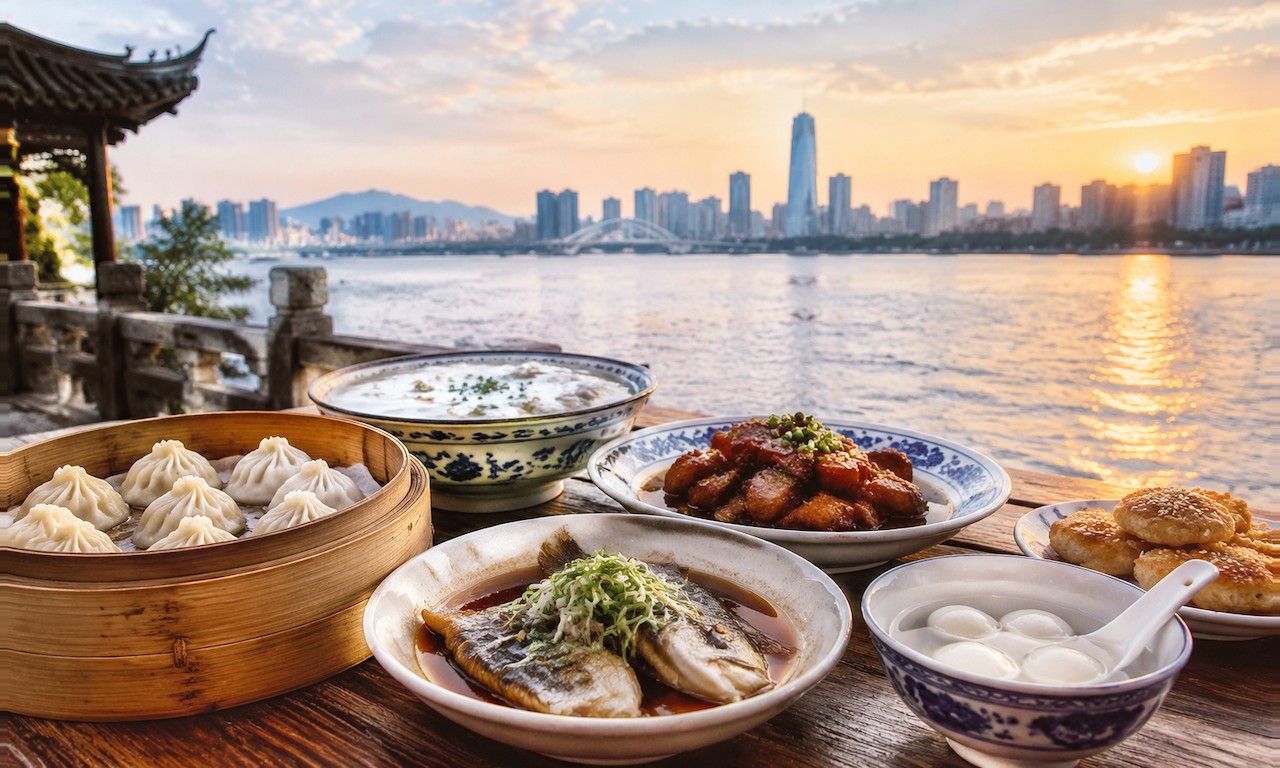
This is the question readers ask most often in the comments section, without exception. Outsiders often associate Ningbo cuisine with "seafood, salt, and glutinous rice," but those three words are too broad. Those truly navigating the culinary world want to know: how to order without wasting food, how to eat like a local, and how to judge whether a restaurant is worth visiting. Therefore, I've broken down the most common questions into seven categories and will explain them one by one.
This is my first time in Ningbo, and I only have one meal. What should I eat first?
Prioritize "small seafood cooked in home-style methods." The best way to understand Ningbo cuisine in one meal is with dishes like scallion-oil mud snails, salted river shrimp, roasted vegetables, and salted pickled yellow croaker soup, rather than large lobsters or fresh seafood. The reason is that the foundation of Ningbo cuisine lies in the layers of saltiness, umami, and fermentation, which are perfectly showcased by small seafood and home-style cooking. Order three dishes for a meal: one cold dish—roasted vegetables or salted crab; one hot dish—scallion-oil clams or salted shrimp; and one soup—yellow croaker soup with pickled mustard greens. Add a bowl of rice, and you'll have a basic understanding of the city's flavors.
Don't order the "Seafood Platter" or "Banquet Three Delicacies" right away. The former's seasoning will mask the natural freshness of the ingredients, and the latter is a festive dish in Ningbo. An outsider who judges Ningbo cuisine based on these dishes is likely to make a mistake. If it's your first time, it's better to stick to the smaller, more precise dishes than the large, elaborate ones.
What do locals eat for breakfast? Are there any options that tourists can also enjoy?
The most authentic combination is "rice porridge + savory side dishes," but tourists may not be used to it, especially cold rice porridge. A more practical option is to add a bowl of "wheat noodles with tofu skin" or "pork fat dumplings." Wheat noodles with tofu skin are filled with meat and have a firmer texture than regular wontons. The broth is clear, and a bowl of it in the morning is not greasy. Many old street corner shops only serve it in the morning. Porridge needs no explanation; even Ningbo locals eat it, and it's one of the few sweet treats that you can't go wrong with.
If you're staying in the old town, you can add a "cifantuan" (sticky rice ball) to your breakfast, which includes fried dough stick crumbs, pickled vegetables, and pork floss—it's filling. A word of caution: don't eat rice porridge and glutinous rice balls at the same time. The former has a salty bean paste base, while the latter is sweet with sesame and lard; eating them together can be hard on your stomach. Separate the salty and sweet dishes each day to appreciate the difference.
Is Ningbo cuisine really that salty? Will people from other places find it unpalatable?
The saltiness in Ningbo cuisine is "fermented saltiness," not the harsh saltiness of simply piling on salt. The saltiness primarily comes from fermented or pickled ingredients like pickled mustard greens, salted vegetables, dried fish, and mantis shrimp. It has a rich, full flavor, but unlike pickled vegetables, it's not overly salty. The criteria for judging its saltiness are simple: if you only taste saltiness without any lingering freshness, the restaurant's ingredients are incorrect; if there's a lingering aftertaste, it's the ingredients themselves that are effective. For first-timers, avoid the most intense dishes like "salty and pungent crab" and "stinky winter melon." Start with scallion oil dishes or steamed dishes, and gradually progress.
What's truly unusual is the "sticky" texture. Many dishes and staple foods have a sticky feel, such as rice cakes, glutinous rice balls, mochi, and sweet fermented rice balls. If you don't like soft and sticky textures, just try one of these at a meal; don't order all sticky rice dishes as your main course.
What's the difference between trendy online stores and old shops tucked away in alleyways?
The difference lies in their "different goals for consistent quality." Trendy restaurants aim to make you feel "it was worth the trip" after taking photos, so they put a lot of effort into plating, ambiance, and menu items, but the taste is often diluted by excessive seasoning or oil. Established local restaurants aim to make people want to come back tomorrow. They don't need to be amazing; they just need consistency, especially in catering to the tastes of regular customers. Therefore, the ordering methods are completely different: at a trendy restaurant, you can order signature dishes or choose dishes with unusual names; at an established restaurant, order the same dishes as the tables next to you, or simply ask what's fresh that day.
If you're traveling with elderly people, children, or people with sensitive stomachs, prioritize established restaurants. These restaurants are usually more conservative about the freshness of their ingredients and won't buy special ingredients that have been refrigerated for a long time just to be innovative. You can eat at each restaurant once, but don't use the same set of standards to compare them—that will exhaust you and unfairly accuse the restaurants.
Where can I eat after 10 PM? And is the food still like it's in Ningbo?
Yes. The top choices are the "casserole" and "noodle shops" in the old town area. Seafood casseroles usually contain shrimp, clams, squid, and fish slices, served with vermicelli or handmade noodles. The broth is clear but not bland, and you won't feel greasy eating it in the early morning. Secondly, choose the congee from the "seafood stalls," such as shrimp congee or fish congee, paired with one or two stir-fries. It's cleaner than what you'd eat during the day, and it's one of the few late-night snacks you won't regret the next morning.
I don't recommend going to Taiwanese seafood restaurants in shopping malls or chain stores late at night. The ingredients are often not fresh, and they rely on strong flavors to mask the lack of freshness. You'll feel uncomfortable in your mouth and stomach the next day. To judge a good late-night restaurant, just look at one thing: how easy is it to peel the shrimp? Fresh shrimp have crisp shells and firm meat, while stale shrimp have soft shells and loose meat. You can tell the difference immediately.
Which shop in Ningbo makes the best glutinous rice balls, and is it worth making a special trip there?
The competition among glutinous rice balls is all about the "filling-to-tolerance ratio." The delicious local version has a thin skin that can hold a spoonful of filling, with a base of black sesame paste, the aroma of lard emerging first, followed by a sweet aftertaste. Some people find the glutinous rice balls from several established brands in Ningbo to be "too sweet" and "a bit oily," which is normal, as it's not a cold dessert; it's meant to be enjoyed warm, oily, and fragrant. For tourists, it's recommended to order a small bowl with six to eight glutinous rice balls, accompanied by a cup of warm tea. Don't eat a large bowl on its own; it's easy to get overwhelmed after the third one.
Specialty glutinous rice ball shops are worth visiting, but don't make it your main meal. The best time to go is around 3 or 4 pm for a meal; it won't be crowded, and you can continue strolling through the nearby old alleys afterward. If you want to bring back souvenirs, buy frozen ones to cook at home. Don't buy too many, as the old-fashioned glutinous rice balls without additives have a short shelf life; it's best to eat them within a week of bringing them home.
What are some things that only locals would bring before you leave?
First choice: pickled mustard greens, especially the short-shelf-life small packages. Locals often buy them to stir-fry with rice cakes or add to noodles. Second choice: water-milled rice cakes. They're easy to pan-fry or boil after being cut into strips, and have a unique texture that's hard to find in the city. Third choice: dried fish. But make sure to ask if it was dried within the last two weeks; good dried fish has a dry, fragrant aroma, not a fishy smell. Bring at least two of these three items; they represent the everyday taste of Ningbo better than packaged seafood snacks.
Some items are not recommended to bring: vacuum-packed cooked seafood, glutinous rice balls that need to be refrigerated, and sweet cakes like glutinous rice cakes. These lose the most flavor during transportation, often resulting in disappointment upon arrival as they don't taste the same as what you get in the restaurant. If you're going to bring them anyway, bring foods that are meant to be prepared in advance, such as pickled or dried foods.